
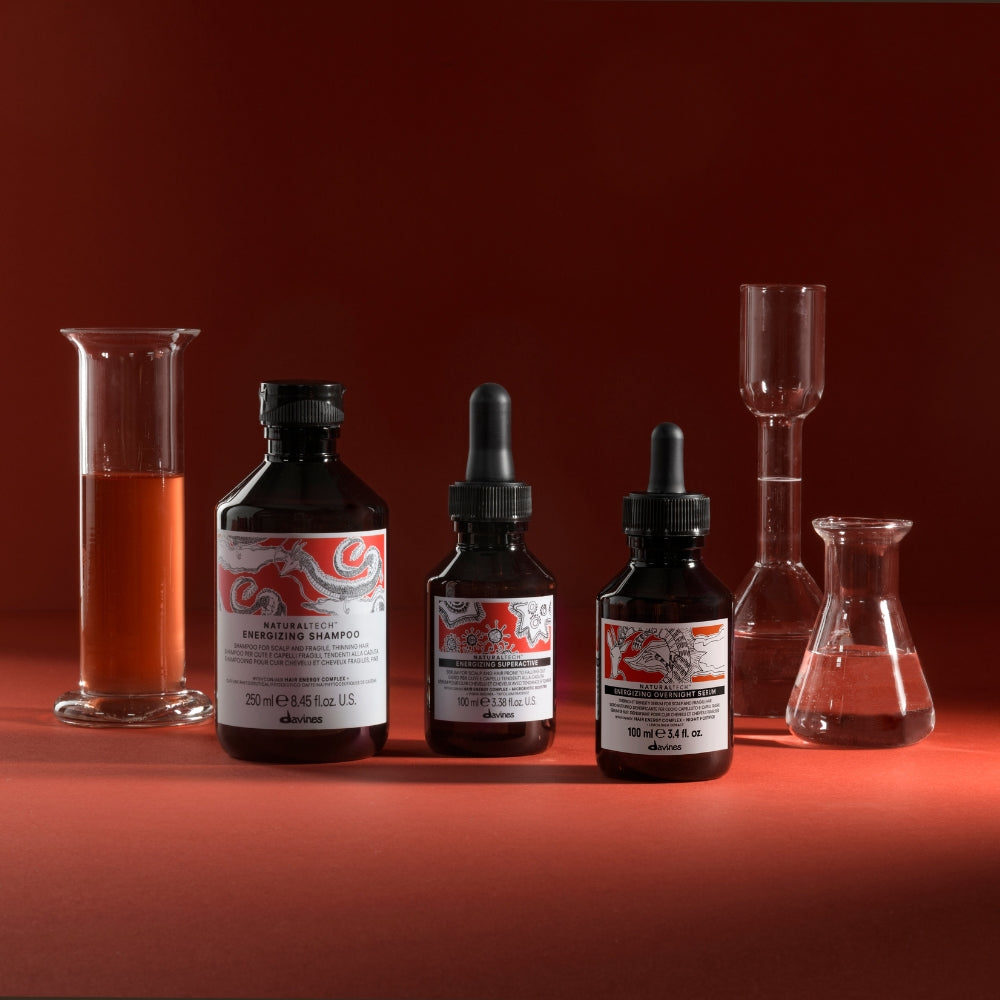
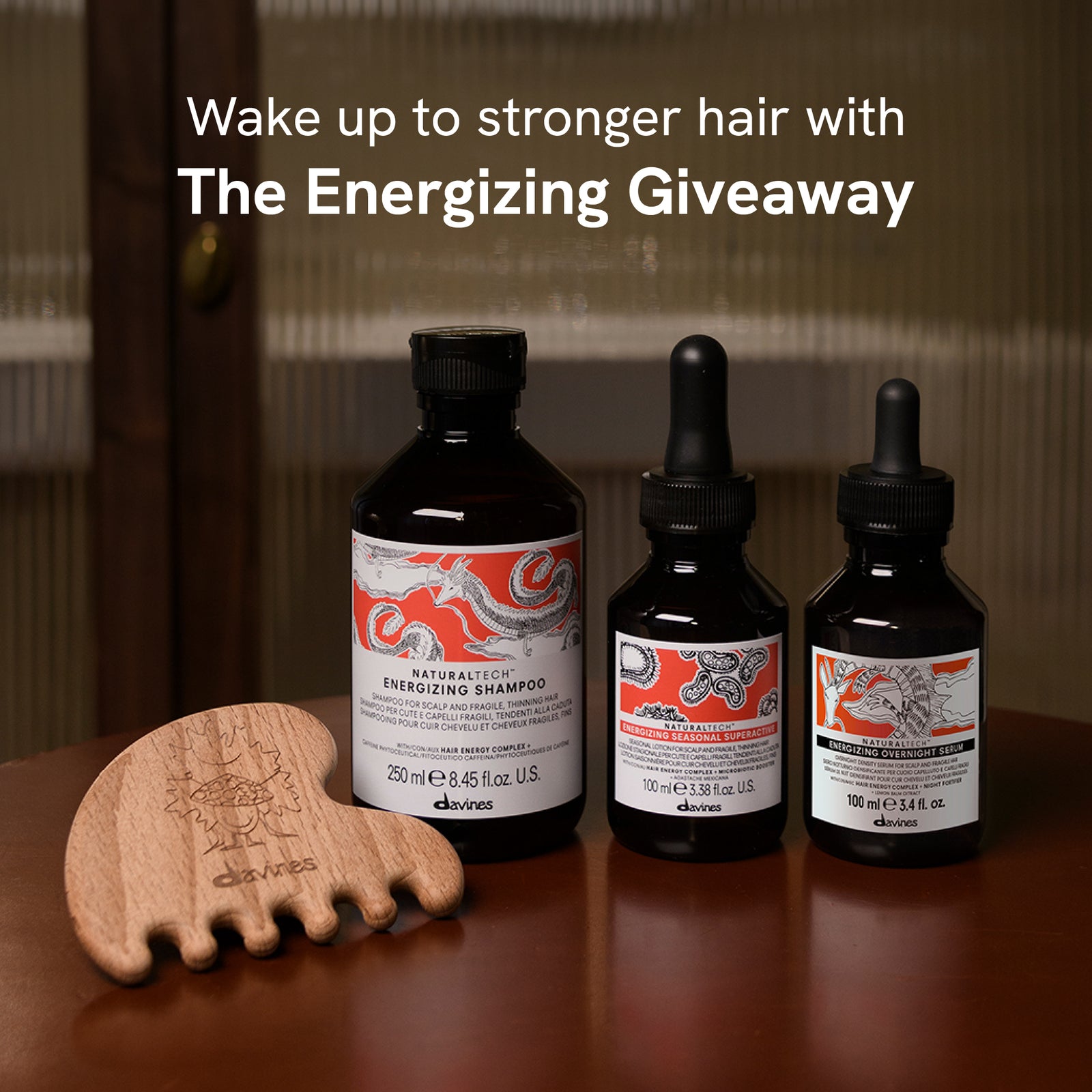
 Shop Now Your New Nighttime HeroMeet the ENERGIZING Overnight Serum: restore strength and vitality as you sleep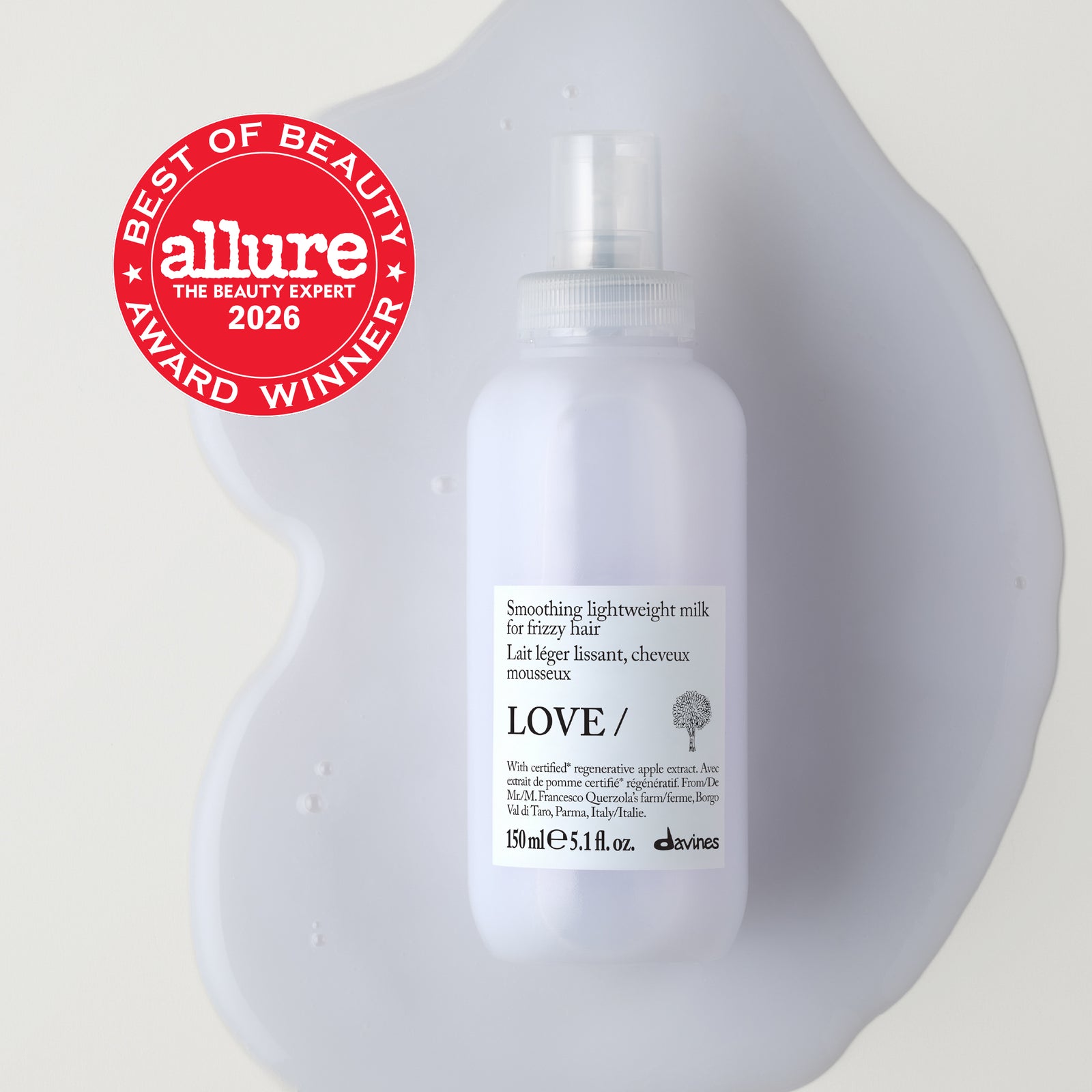








Expert tips for extending your hair color's life
There’s nothing better than that feeling of stepping out of a salon with your hair freshly colored and styled, gleaming vibrantly in the sunlight and highlighting the natural beauty of your look. If only it were possible to keep hold of that feeling.
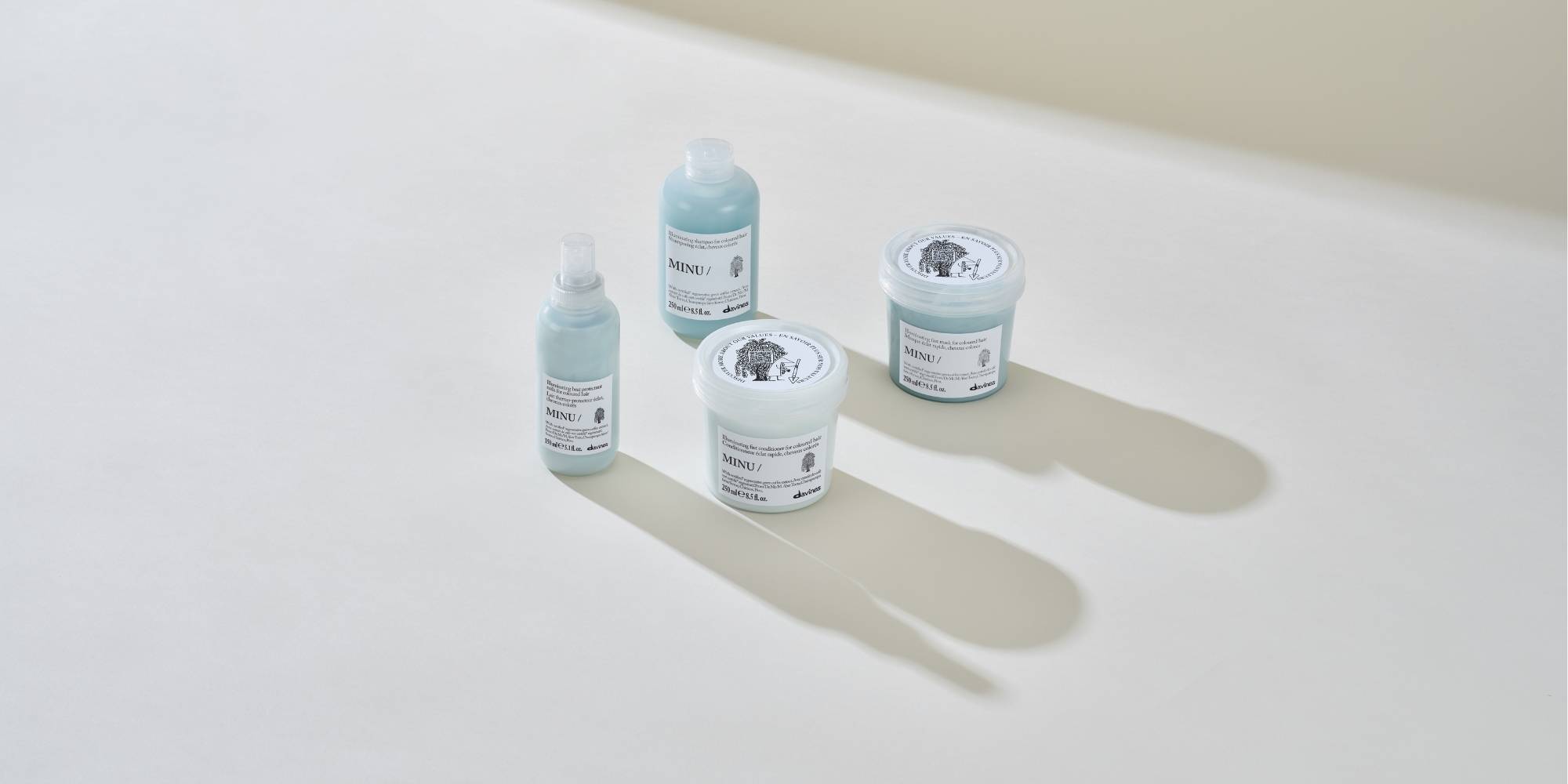
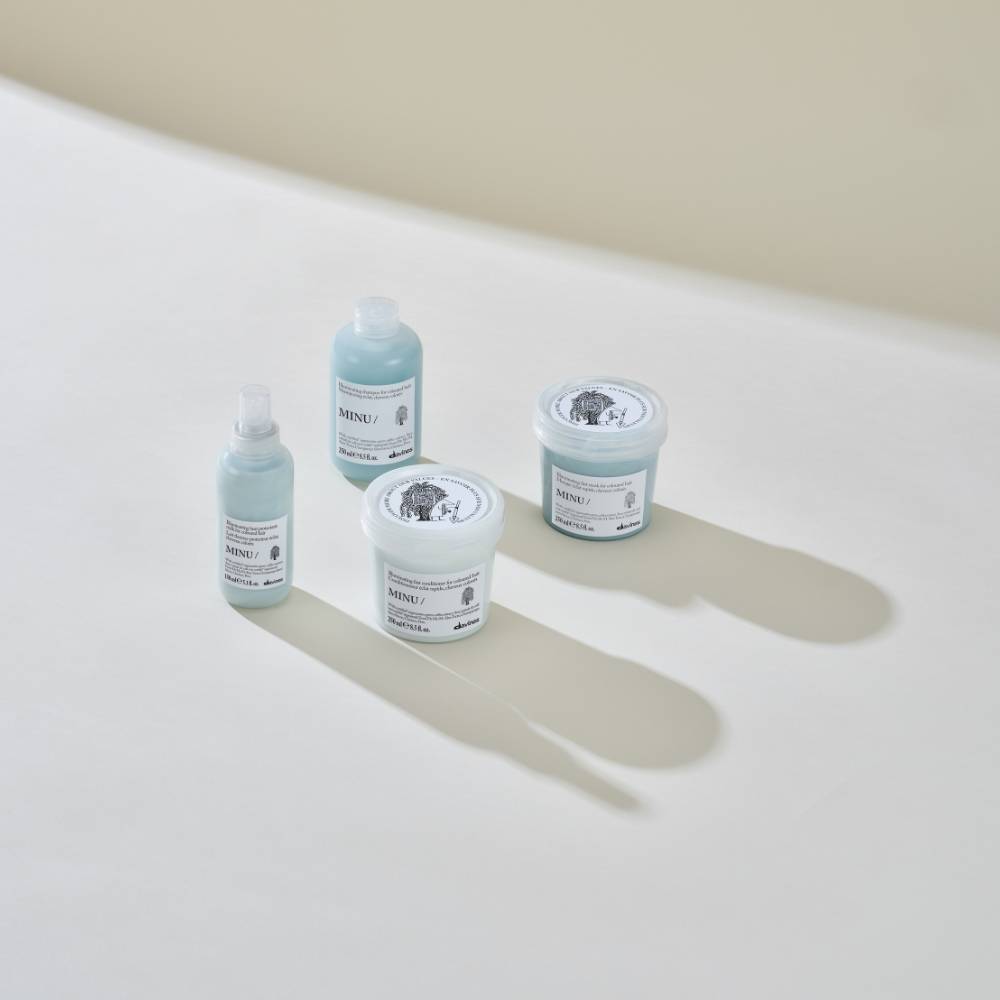
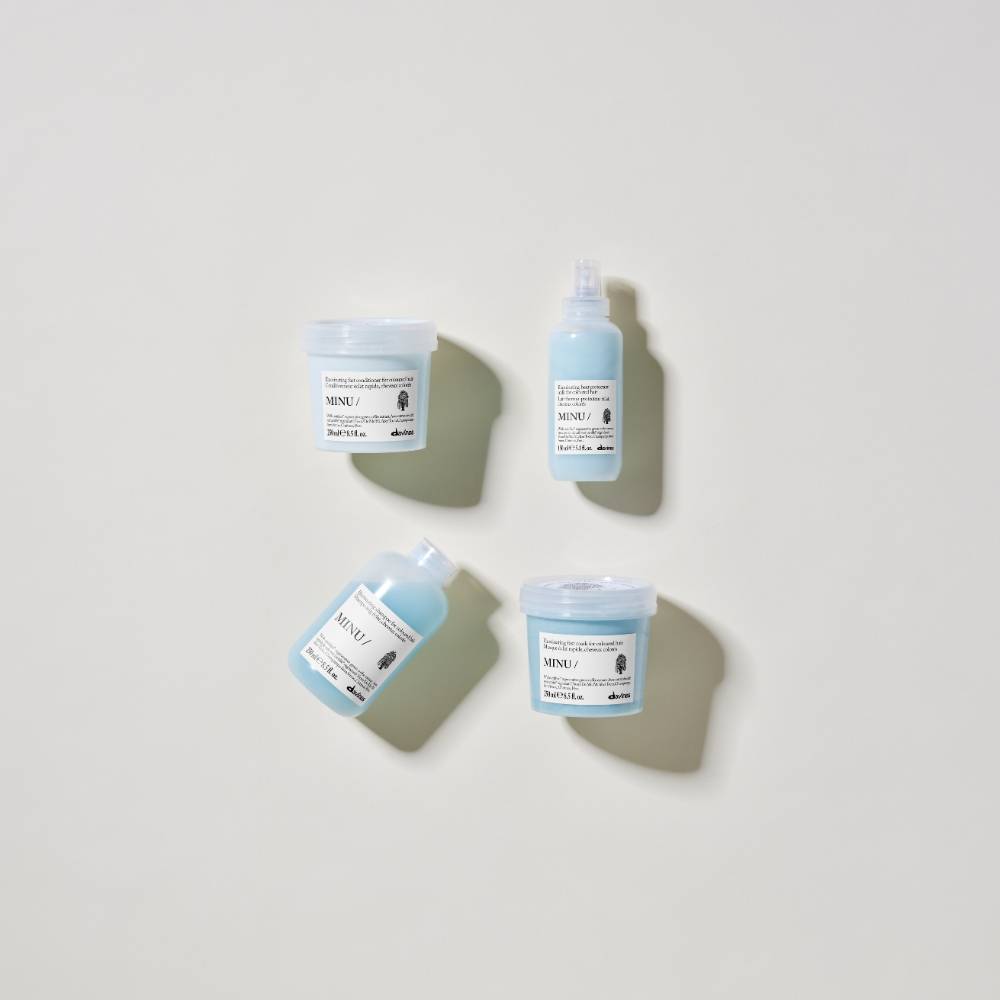
But the frustrating reality is that color fades over time. Luckily, there are ways to protect your hair and extend the color so that you keep that vibrancy for longer. From color protecting products like Essential Haircare’s MINU/ range, to colored hair maintenance tips you can add to your haircare routine, here are our expert tips.
How and why hair color fades
In the simplest terms, hair coloring works by lifting the cuticles - small, scale-like structures that cover the hair shaft and act as a protective barrier - allowing color to penetrate to the cortex in the centre. This lifting action is created by changing the pH of the hair. Once the regular pH is restored, the cuticles lie flat again and the color is trapped inside the hair.
Over time, color will begin to fade slowly. This can be impacted by a number of factors such as:
- Water, which leaches out the color molecules
- UV rays, which oxidize the color molecules
- Heat, which opens the cuticles and speeds up color fading
- Harsh products or ingredients, which can strip out color
- Cuticle damage, which allows color to escape more easily
How to wash hair for color retention
Washing techniques to help color retention
Regardless of how good your color-protecting shampoo is, your color will fade eventually, but there are tips you can follow to extend it as long as possible.
As well as choosing the right products for color treated hair, it’s also important to treat your hair gently as you wash and dry it, avoiding harsh rubbing that can contribute to color fading. Temperature matters too, as hot water can lift the cuticles and cause faster fading - choose a cool or lukewarm setting to help with color retention.
Choose a gentle shampoo for color treated hair
When it is time to wash your hair, choose a color-safe shampoo, which uses gentler surfactants that cleanse without lifting the hair’s cuticle.
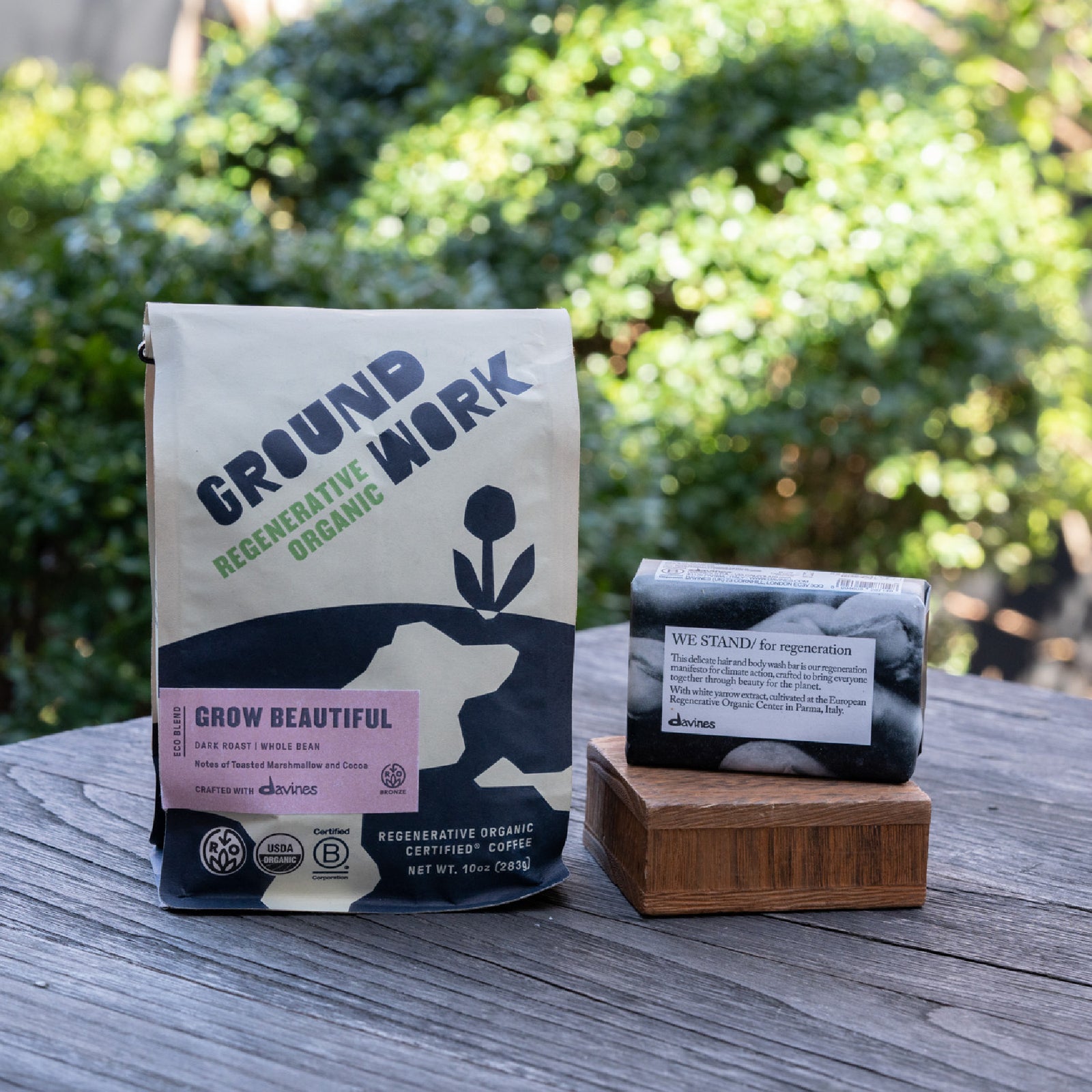
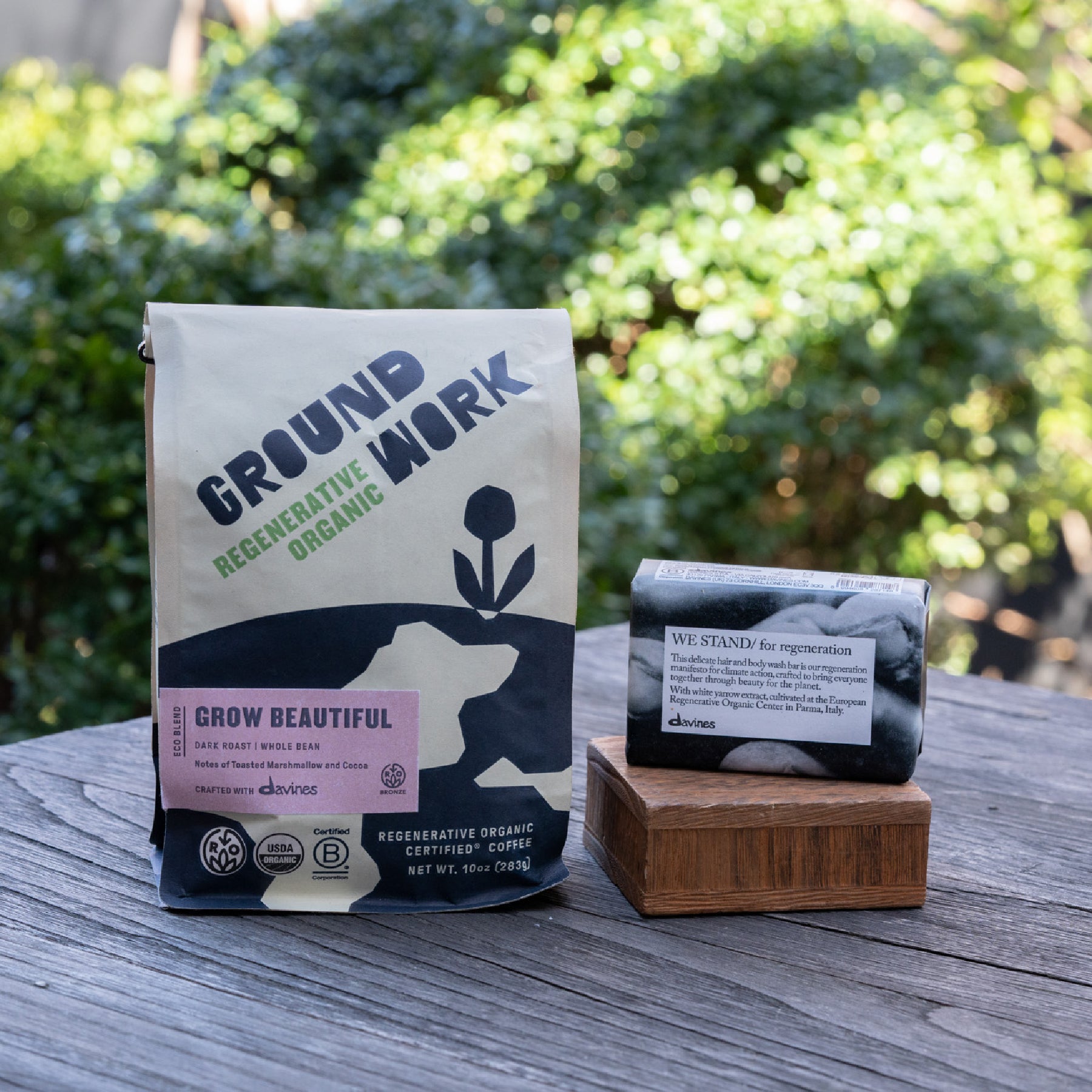
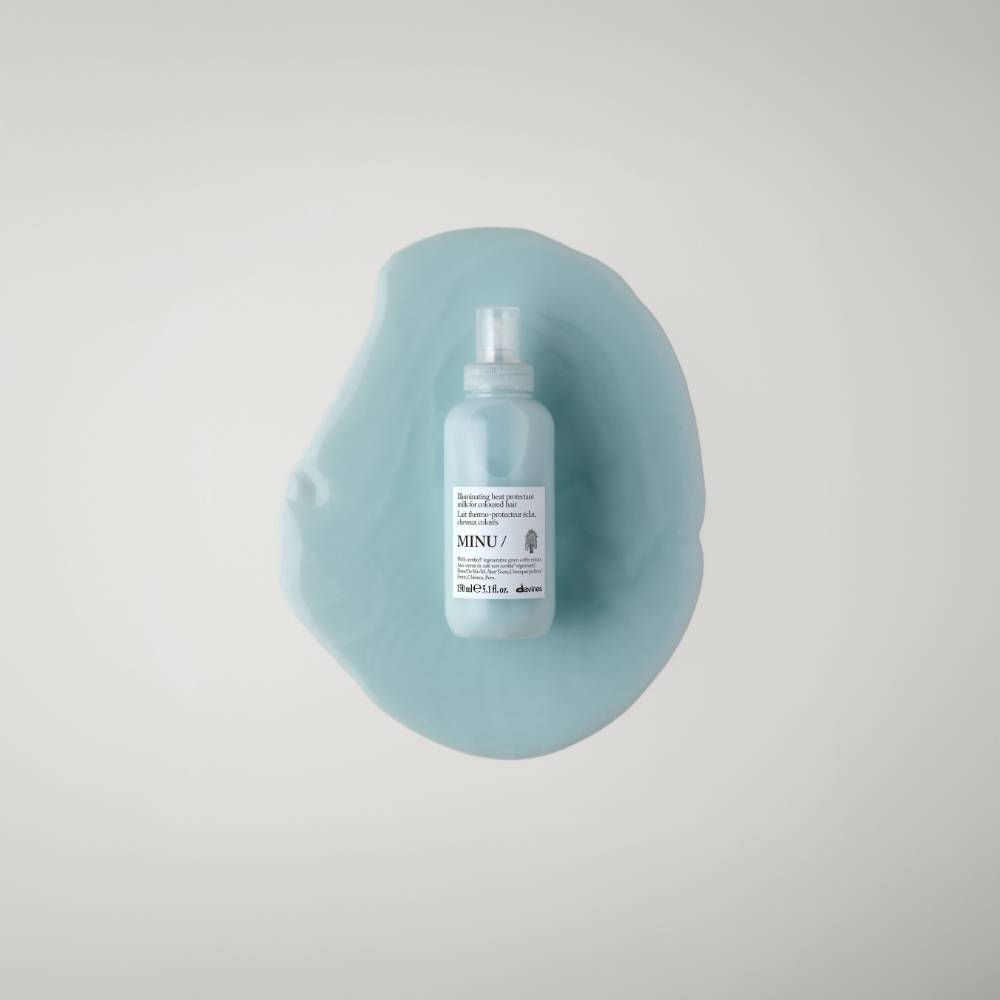
Essential Haircare’s MINU/ range, which includes a color-protecting shampoo and conditioner, as well as a mask and a leave-in milk, is formulated with Regenerative Organic Certified™ Green coffee¹ from Mr. Aber Tocto, Churupampa farm, Chirinos, Peru. This contains caffeine, caffeic acid and ferulic acid, which work together to protect hair against fading and damage and help keep color vibrant for up to four weeks².
¹Sourced from Regenerative Organic Certified™ farms
²Instrumental test on hair strands exposed to UV light or repetitive washes, comparing results using MINU/ shampoo, conditioner/mask, and milk vs. control (shampoo without color protecting benefits).
How to protect color as you style your hair
³⁴Hair color protection doesn’t stop at choosing a shampoo and conditioner for color treated hair. Your styling regime also has an impact, as do other lifestyle factors.
Heat causes color to fade by opening up the cuticles and weakening the dye’s bond, allowing color to escape more easily. The best way to avoid this is to minimize the use of heat styling tools such as blow dryers, curling tongs and straighteners as much as possible, and to avoid long periods of sun exposure or wear a hat to offer your hair protection.
Heat protectants are also essential. These create a barrier that protects the hair against the heat and, if they contain UV filters, will also protect against sun exposure. MINU/ milk protects hair up to 446°F (230°C) as well as shielding color UV exposure³. The result is more vibrant color and up to 6.6 times shinier hair⁴.
A final note on color protection if you’re a regular swimmer. Both chlorine and saltwater can damage hair and cause color to fade, so make sure to create a barrier before you swim. You can do this by wetting your hair with fresh water, applying a leave-in conditioner or wearing a swimming cap. Once you finish your swim, rinse immediately to get rid of chlorine or salt.
³Instrumental test on color-treated hair strands. Statistically significant reduction in color change after UV exposure when using MINU/ milk vs. untreated hair.
⁴Instrumental test, hair shine increase, hair strands treated with MINU/ milk vs. untreated hair.
Deep nourishment and maintenance to keep your color vibrant
To complete your colored hair maintenance regime, consider adding a weekly treatment to help boost color protection and keep your look lasting for longer.
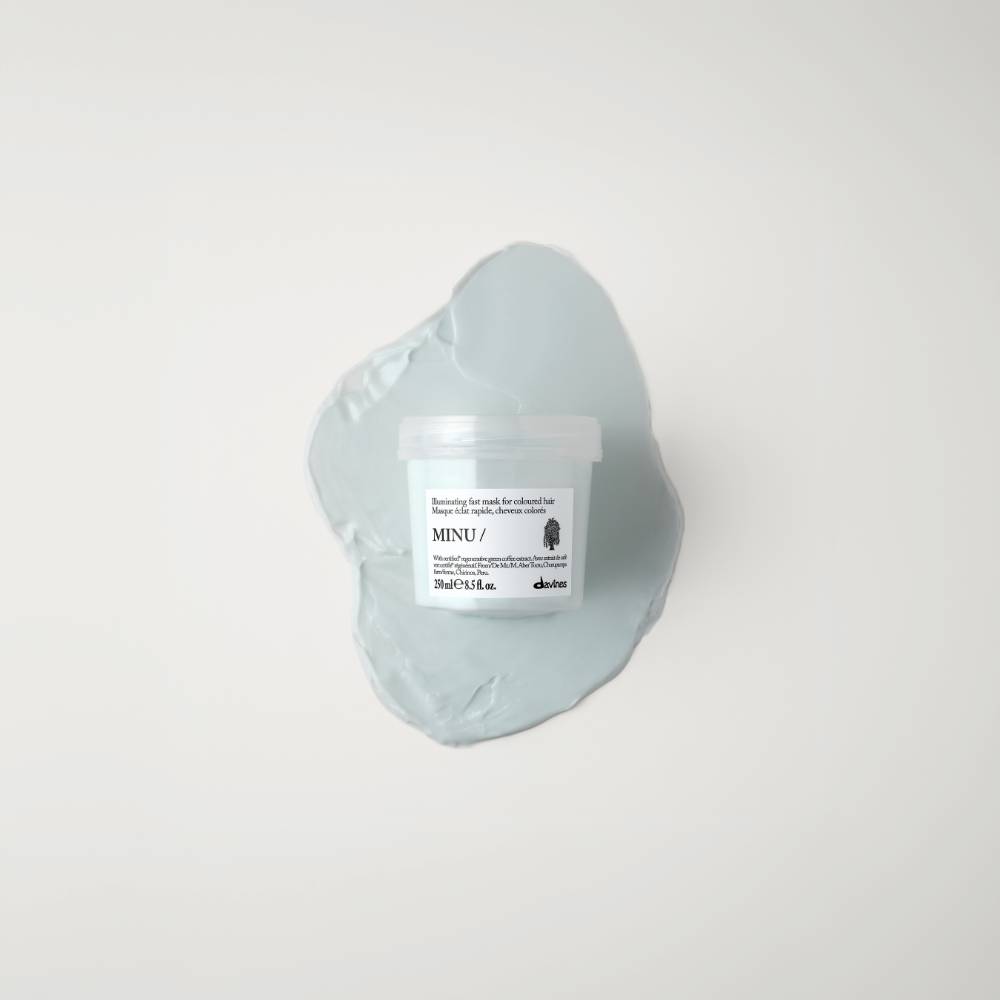
Color-safe masks and leave-in conditioners will give the hair a deep hydration boost, helping cuticles to lie flat and sealing in the color. MINU/ mask combines nourishment with anti-breakage action to reinforce weakened strands and preserve the vibrancy and shine of salon-fresh color.
²In vitro test conducted on hair strands treated with MELU/ spray and exposed to a solution containing Nickel, Cadmium and Lead, compared to untreated hair. The three metals are representative of pollutants commonly found in polluted urban air.
³Instrumental test on hair strands vs. untreated hair
Healthy habits for reviving damaged hair
As well as choosing the right products and treatments for damaged hair, there are changes you can make to your haircare routine that will help protect it and prevent further damage.
Gentle detangling
The mechanical action of brushing your hair can be damaging so make sure to use a wide toothed comb and start at the ends, working up gently.
Blot, don’t rub
When drying your hair, use a microfiber towel or old T-shirt - which has smoother fibers - and blot or gently squeeze the water away rather than rubbing, which can snap brittle strands.
Minimise heat styling
Wherever possible, air drying your hair is the best option for brittle hair. If you do need to use a blow dryer, prepare with a heat protectant and then use a low temperature setting.
Regular trims
Although getting your hair trimmed regularly won’t make it grow faster, it will remove split ends and prevent further splitting, which can compromise the structure of the whole shaft.
Eat healthily
As well as working on the outside, staying healthy on the inside has a huge impact on the hair, so be sure to eat a balanced diet, stay hydrated, and consider supplements where needed.
Overnight protection
Since rough fibers cause friction that can damage brittle hair, consider switching out your pillow cases for silk ones, use a silk bonnet or tie your hair in a loose braid while you sleep.
Don't know where to start? Ask your stylist!
Great color is an investment worth protecting. From choosing the right products for color treated hair, to ensuring that you protect your look from heat and other factors that could increase fading, there are plenty of ways to build a regime that means your color stays vibrant for longer.
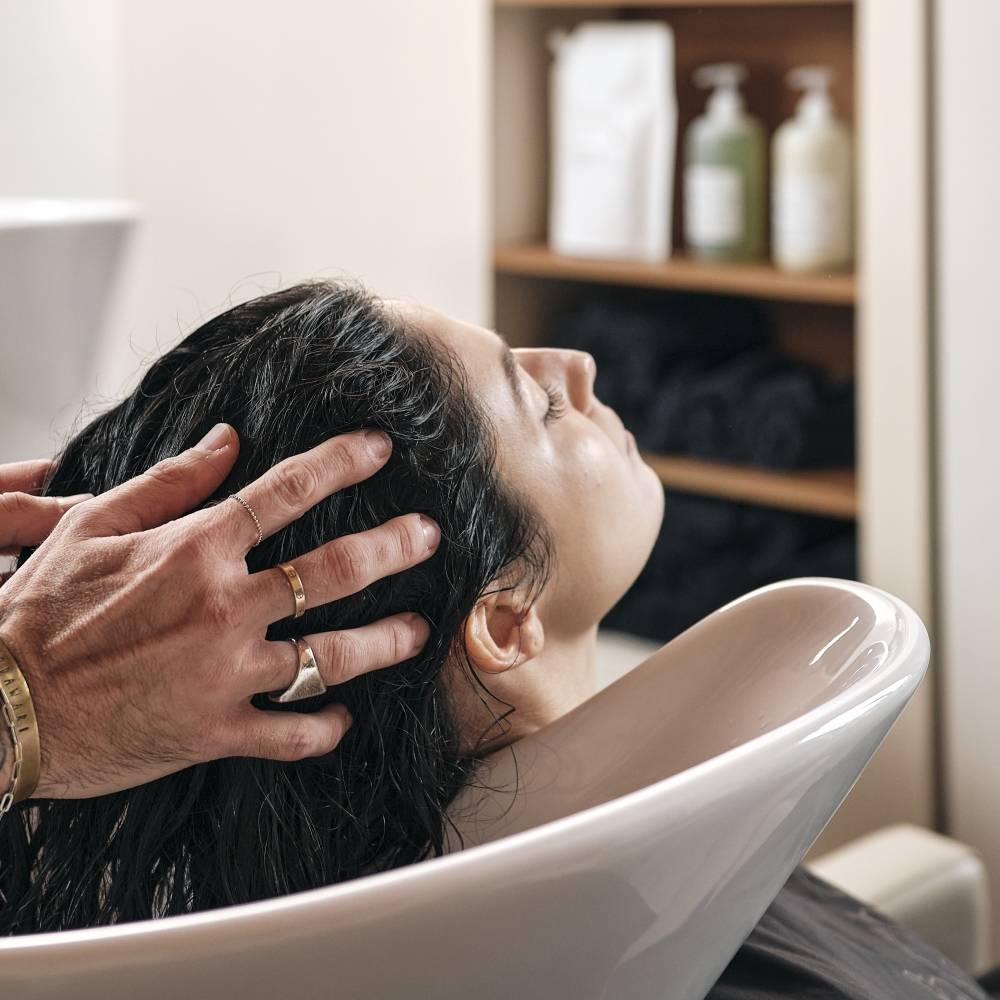
You can also get dedicated in-salon treatments designed to extend your color and boost the shine that comes with a fresh salon treatment. Your salon stylist may also recommend removing any split or damaged ends as these lose color faster and can make your hair look dull too.
If you’d like tailored advice to suit your hair needs, visit your nearest Davines salon to speak to one of our experts.
Read more!
Daily wash dilemma: should you shampoo every day? Washing your hair and scalp is as important as washing the rest...
Your Guide to Overnight Hair and Scalp Serums and Their Benefits Learn how these formulas can support your nightly hair...
Bronde Hair: The Best of Blonde and Brunette in One Color Bronde hair blends blonde and brunette for a sunlit,...
Leave a comment
Comments will be approved before showing up.