
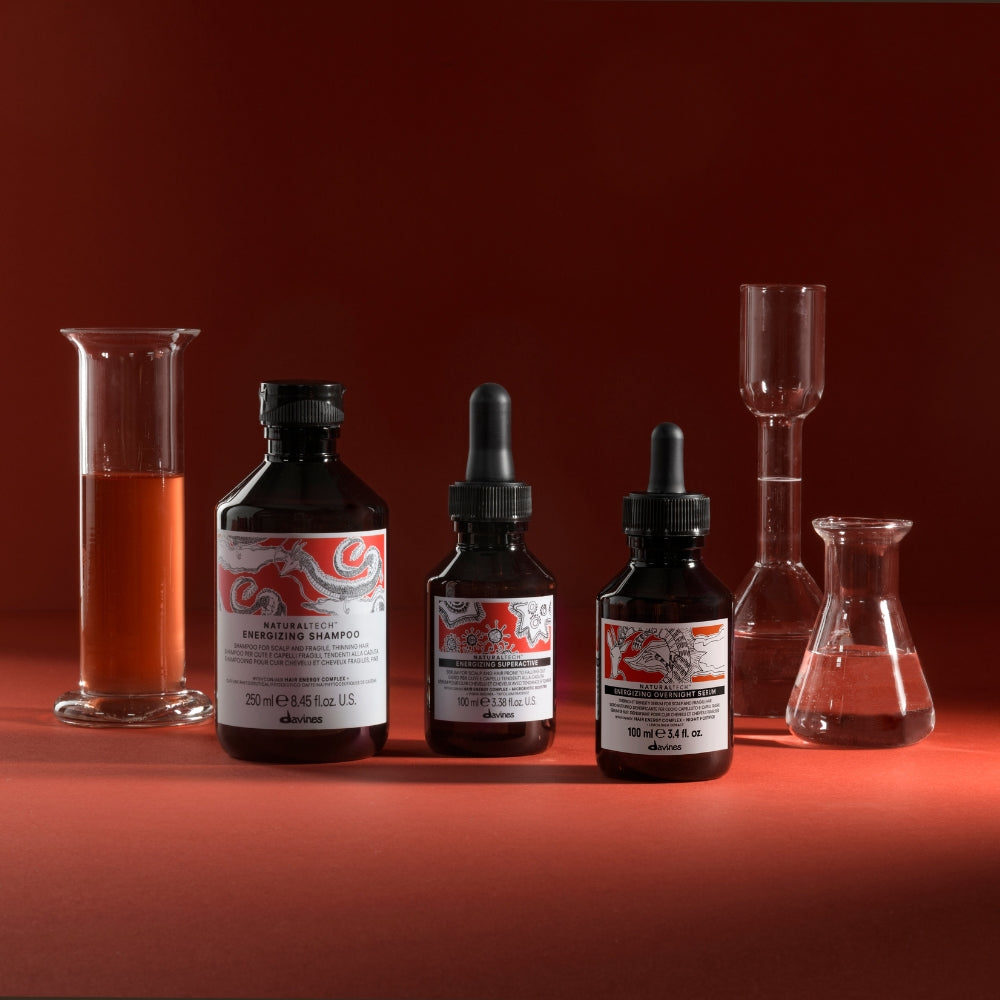
 Shop Now Your New Nighttime HeroMeet the ENERGIZING Overnight Serum: restore strength and vitality as you sleep







How to Repair Heat Damaged Hair: Tips, Treatments, and Prevention
Learn how to repair heat damaged hair with expert tips, treatments, and prevention strategies. And discover the difference between heat trained and heat damaged hair.
Updated on May 19, 2026 | 3 min read
Jaclyn LaBadia, Davines Writer
Key Takeaways
How to Repair Heat Damage
- Heat damaged hair can be improved with the right repair routine, but severely damaged ends may need trimming.
- Heat trained hair and heat damaged hair are not the same thing - understanding the difference helps you choose the right treatment.
- Deep conditioning masks, bond-repair products, and heat protectants are essential for restoring and protecting hair.
- A consistent repair routine with quality products can show visible improvement in as little as 4-6 weeks.
- Prevention is just as important as repair--always use a heat protectant before styling with hot tools.
In This Article
What Is Heat Damaged Hair?
Heat Trained Hair vs. Heat Damaged Hair: What Is the Difference?
How to Tell If Your Hair Is Heat Damaged
How to Repair Heat Damaged Hair: A Step-by-Step Routine
How to Prevent Heat Damage in the Future
Salon Services for Damaged Hair
FAQs
What Is Heat Damaged Hair?
Heat styling is a given in most hair routines at least some of the time. But blow dryers, straighteners and curling irons can do a number on your strands. Heat damage can change the structure of your hair, eroding the cuticle and breaking down the keratin inside your hair, causing frizz, dullness and breakage. Thankfully with the right tips and products, you can stop heat damage in its tracks. Ahead, we’ll tell you how to repair heat damaged hair- plus the telltale signs to look for, and how to prevent further damage.
Heat Trained Hair vs. Heat Damaged Hair: What Is the Difference?
Heat damage, like heat training, permanently alters the structure of the hair through frequent use of heat styling. But heat damaged hair is unintentional, and shows visible signs of breakage and brittleness. Unlike heat trained hair, which is intentional with the goal of loosening the natural curl pattern, to make it easier to straighten over time. Heat training aims to keep the hair healthy, allowing it to revert to a looser curl pattern when washed. Keep reading for more on how to repair heat damaged hair.
How to Tell If Your Hair Is Heat Damaged
Heat damage starts off mild, in the form of slight dryness with a few split ends. If left untreated, the signs of damage become more evident with pronounced split ends, a loss of shine and elasticity, and proneness to snapping when stretched. Severe damage includes extensive breakage, where strands become extremely dry, brittle and porous. If you use heat style regularly, look out for these telltale signs of damage.
Split ends
Over time, prolonged exposure to heat weakens hair strands, causing the ends to split down the middle or fray at the tips.
Dryness and dullness
High heat erodes the cuticle leading to moisture loss and hair that looks and feels dry and dull, almost like straw.
Loss of curl pattern and elasticity
Similarly, the loss of moisture can cause strands to lose their natural curl pattern and elasticity, leaving them with a gummy texture.
Streaky, uneven color
Heat damaged hair becomes porous, struggling to hold on to pigment, whether natural or dyed, leaving color faded or uneven.
Breakage
Broken strands when you brush or style your hair is a classic sign of stress from hot tools.
Flyaways, frizz and tangles
If your hair suddenly feels more frizzy, or you're experiencing more flyaways or tangles than usual, your cuticles are feeling the effects of the heat.
How to Repair Heat Damaged Hair: A Step-by-Step Routine
While heat damage can’t be physically reversed, there are ways to visibly reverse the effects, while strengthening your hair and preventing further damage. Here’s how to repair heat damaged hair.
Step 1: Trim Damaged Ends
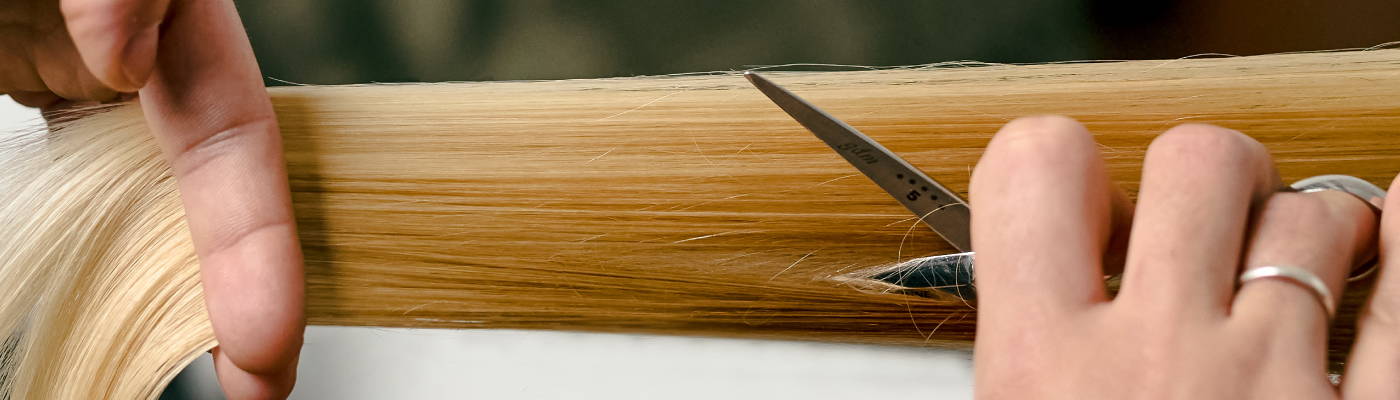
The best solution for heat damaged hair is to remove the most damaged parts. This gives your strands a fresh start. Regularly trimming your ends every few weeks keeps them from splitting and working their way up the hair shaft and causing further damage.
Step 2: Switch to a Nourishing Shampoo and Conditioner
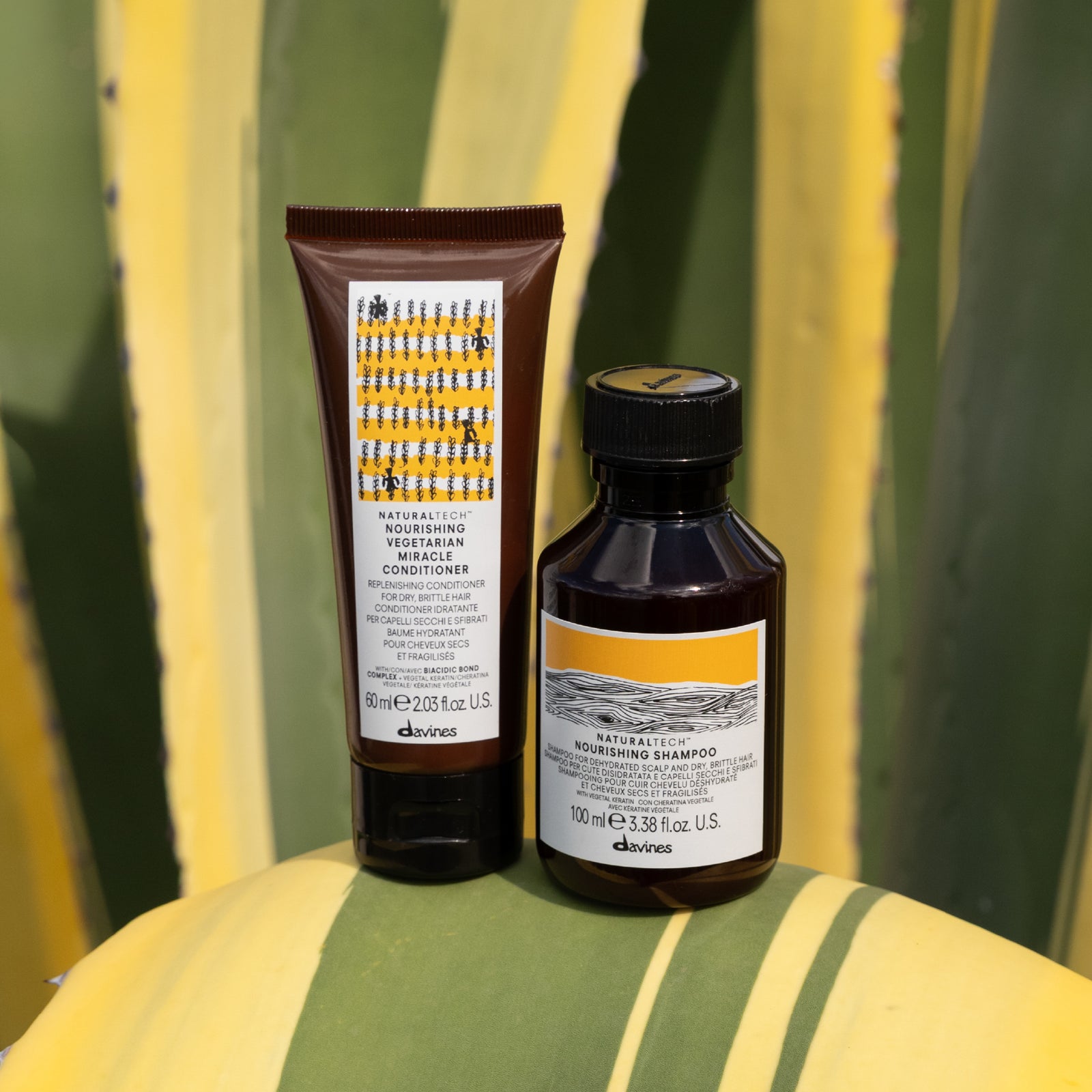
Harsh chemicals in your shampoo and conditioner can strip the hair of its oils, leading to further frizz and dryness. If you’re not already, choose sulfate-free formulas like MELU Shampoo and NOUNOU Conditioner. This powerhouse anti-breakage shampoo and nourishing conditioner duo cleanses, hydrates and nourishes without stripping essential moisture.
Step 3: Deep Condition Weekly
If you use hot tools regularly, deep conditioning is a must. Combat heat damage by adding our Beautiful Things Restoring Leave-In Hair Mask to your routine weekly. Use it in place of your regular conditioner, apply it before going to the gym, or leave it on overnight.
Step 4: Incorporate Bond-Repair and Oil Treatments
Another ideal heat damage hair treatment is a bond repair product, like NOURISHING Hair Building Pak, designed to rebuild the hair's internal structure by strengthening damaged protein bonds. Additionally, a nourishing hair oil like the one from the OI line provides essential nutrients and moisture for shine, softness, and healthier-looking hair.
Step 5: Reduce Heat Styling and Always Use a Protectant
Cutting back on the frequency of your heat styling is always a good idea for the health of your hair, but especially when dealing with damage. Choose heatless hairstyles when you can, and always apply a heat protectant, like MELU Spray when you can’t.
How to Prevent Heat Damage in the Future
Heat styling can have damaging consequences like dryness and breakage. But with the right maintenance before and after styling, you can keep your hair healthy. These are the Do’s of protective heat-styling.
- Limit heat styling
- Nourish with quality masks, oils, leave-ins, protectants and damaged hair products
- Keep blow dryers at least 5 inches away from your hair when drying
- Keep the temperature of your hot tools on low
- Be sure your hair is fully dry before using straighteners or curling irons
- Always use a heat protectant
- Explore heatless hairstyles
Salon Services for Damaged Hair
In cases of severe heat damage, a salon service can save the day. In addition to a fresh haircut to remove the most damaged parts, the Beautiful Things Treatment is a Davines salon exclusive for restoring, protecting and detoxifying your hair. It’s a nourishing treatment for restoring lost lipids and repairing damage at the core for stronger hair. Strands are immediately softer and shinier, and color is more vibrant. Interested in a Davines salon service? From custom treatments to specialized color and cuts, use our salon locator to find one near you.
We're Gifting You A Salon Experience!
Ready for your new look? Receive a rebate for $50 toward your next Davines salon haircare or color service.
FAQs
Can heat damaged hair be reversed?
Wondering how to reverse heat damage? While heat damage can’t be physically reversed, things like trimming damaged ends, switching to a nourishing shampoo and conditioner, deep conditioning weekly, incorporating bond-repair and oil treatments, reducing heat styling and using a heat protectant can visibly reverse the effects, while strengthening your hair and preventing further damage.
How long does it take to repair heat damaged hair?
Heat-damaged hair can take anywhere from a few weeks for mildly damaged hair that feels dry or frizzy; to two to six months for moderately damaged hair; to a year or longer for severely damaged hair, where the only solution is trimming the hair over several months.
What is the difference between heat trained hair and heat damaged hair?
Both permanently alter the structure of the hair through frequent use of heat styling, but
heat trained hair is intentional, with the goal of keeping hair healthy while loosening the natural curl pattern, making it easier to straighten over time; heat damaged hair, on the other hand, is unintentional, and shows visible signs of breakage and brittleness.
Can I fix heat damaged hair without cutting it?
Yes! You can fix heat damaged hair without cutting it by visibly reversing the effects of the damage with things like switching to a nourishing shampoo and conditioner, deep conditioning weekly, incorporating bond-repair and oil treatments, reducing heat styling and using a heat protectant.
What ingredients help repair heat damaged hair?
The best ingredients for repairing heat damaged hair include bond builders, proteins, oils and butters like argan, olive, avocado and shea, vitamins, ceramides and humectants like honey and aloe vera.

Ready for a New Look?
Visit your local Davines salon for customized color, cuts, and care.
You Might Also Like...

by Jaclyn LaBadia, featured contributor
Daily wash dilemma: should you shampoo every day? Washing your hair and scalp is as important as washing the rest...
by Jaclyn LaBadia, featured contributor
Your Guide to Overnight Hair and Scalp Serums and Their Benefits Learn how these formulas can support your nightly hair...
by Jaclyn LaBadia, featured contributor
Bronde Hair: The Best of Blonde and Brunette in One Color Bronde hair blends blonde and brunette for a sunlit,...
Leave a comment
Comments will be approved before showing up.