










Alternative Treatments for Hair Loss: The Best Natural Remedies
What is hair loss?
Shedding and hair fallout is a normal part of everyday life. On average we lose between 50 to 100 strands a day. Shedding significantly more than that is considered hair loss and can be seriously devastating to your self esteem. The problem is there are so many potential triggers, it can be tricky to pinpoint the reason behind your hair loss. From constant styling and everyday stresses to hormones, medications, and medical conditions, we’re breaking down the causes of hair loss and giving you the best natural remedies to boost hair growth.
What causes hair loss?
These are the most common causes of hair loss:
Genetics
Because hair loss is genetic, you’re likely to experience the same type of hair loss pattern as your parents.
Aging
As you get older your strands become thinner, finer, and less pigmented.
Nutritional deficiencies
Research links essential nutrient deficiencies (including iron, copper, zinc, vitamin B12, and protein) to hair loss.
Stress
When your body suffers an emotional or physical stressor, you may experience more hair fall out.
Nutritional deficiencies
Thinning hair and hair loss can also be a sign of a Vitamin D, B12 or protein deficiency. This is something vegetarians and vegans should pay special attention to, as protein (in the form of keratin) provides the strength and structure of hair.
Poor scalp quality
Dandruff or psoriasis can cause buildup in the scalp that blocks healthy hair growth.
Autoimmune diseases
Those with lupus, Hashimoto thyroid issues (hypothyroidism), Grave’s disease (hyperthyroidism) and alopecia often experience hair thinning and hair loss at the hair shaft.
Your hair care products
Hair care products containing toxins (like sodium lauryl sulfate, common in many shampoos) can contribute to hair loss. The Davines line of shampoos and conditioners are all natural and free of harmful toxins.
Heat styling
Too much heat can flatten your strands and cause them to thin or fall out.
Dramatic weight loss
It’s very common to shed an excessive amount of hair after a dramatic weight loss.
Medications
Some medications used to treat cancer, high blood pressure, arthritis, depression, and heart problems have side effects that can contribute to hair loss.
Hormone imbalance
Anything that sends your hormones out of whack ( like birth control, pregnancy or polycystic ovary syndrome (PCOS) ) can induce shedding.
How to prevent hair loss
If you’re experiencing more hair fall-out than normal, try these tips:
Don’t over-wash or under-wash your hair
Washing a dry scalp too often or not washing oily strands often enough can both lead to excess hair fall. If you have oily hair, you can shampoo every day or every other day. If you have dry hair or a dry scalp, stick to three times per week (if you can go longer in-between even better).
Eat right and get moving
A balanced diet and exercise are especially important for healthy hair. Make sure your diet includes lots of protein and iron and get at least 20 minutes of exercise a day.
Pause the chemical treatments
Chemical hair treatments like straightening, perming, and coloring can be damaging to your hair strands. If you’re noticing more shedding than usual, it’s a good idea to lay off the chemical treatments for a while.
Start oiling
Massaging your scalp with oil, or oiling, improves blood flow and circulation and nourishes your roots. Massage your scalp once a week with coconut oil. Cover it with a shower cap and shampoo it out after two hours.
Keep your scalp sweat-free
Sweating dehydrates your hair and can lead to bacterial growth, fungal infections, and blocked pores. Shower every time you exercise or use a blow dryer on a low, cool setting to keep your scalp free of sweat.
Don’t smoke cigarettes
Cigarette smoke contains harmful toxins that can lead to a weak immune system. They also damage the hair follicles, leading to increased hair fall. Not to mention, smoking cigarettes can cause cancer.
Reduce your alcohol consumption
Alcohol reduces the body’s ability to absorb the essential vitamins and minerals needed for hair growth and hair strengthening.
Get enough sleep
A lack of sleep can increase hormone levels, making the hair follicles weak, causing hair loss. Getting 6-7 hours of sleep reduces stress and strengthens the immune system.
Use all-natural products
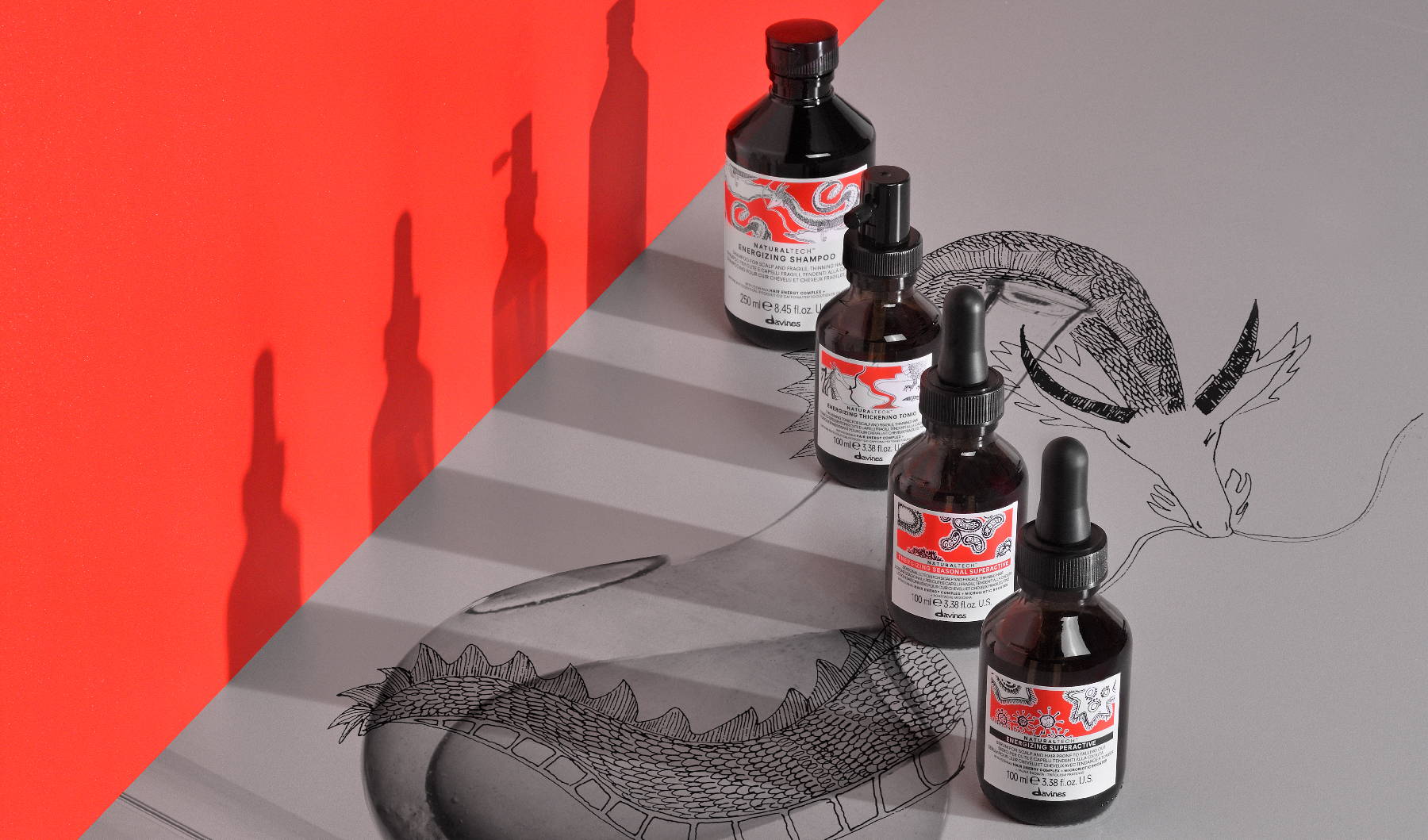
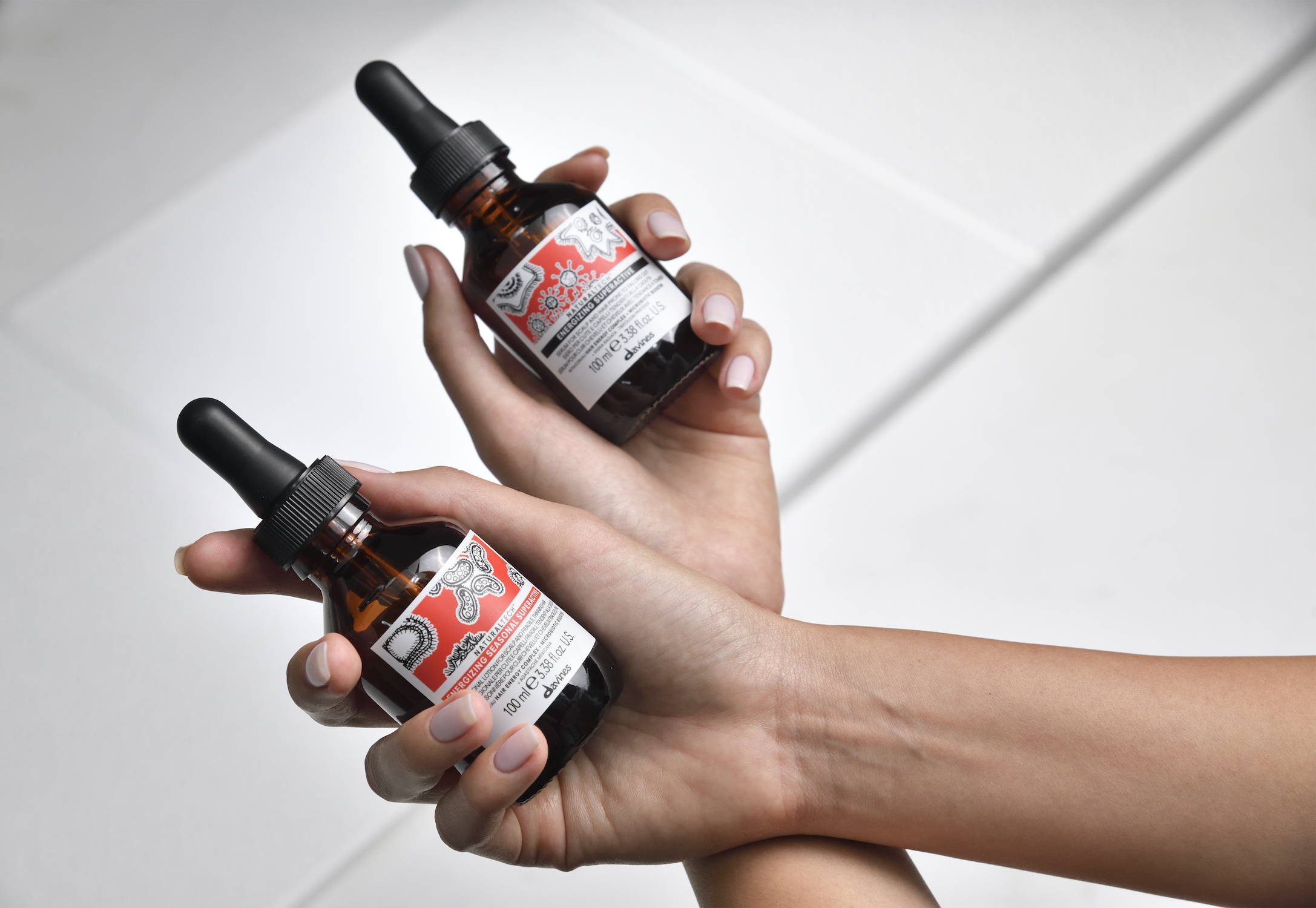
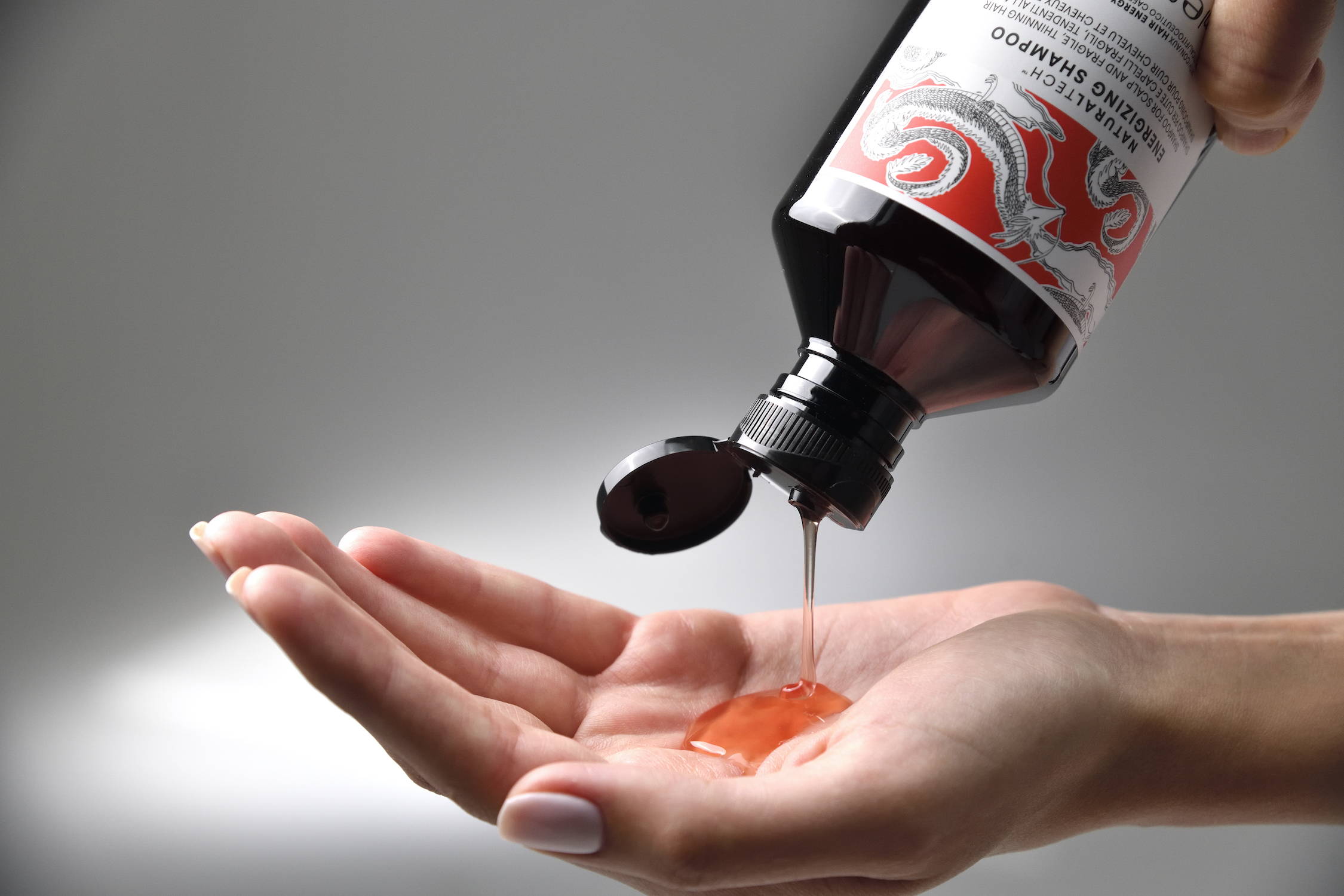
Toxic ingredients irritate and inflame the scalp, deplete beneficial nutrients, and ultimately break down the natural hair cycle. Our Naturaltech line is free of fragrances, harmful toxins, parabens, and sulfates. It’s the perfect natural product choice if you’re wondering how to make hair thicker.
Natural hair loss treatments
These natural supplements and home remedies can help with hair loss.
Take biotin
Eating foods with biotin, or vitamin B7 can help with hair fall. Foods like eggs, wheat germ, and mushrooms contain a high amount of biotin. Incorporate these into your diet or take a biotin and collagen supplement to help with hair regrowth.
Make a homemade green tea and egg hair mask
This homemade egg mask will help stimulate hair growth. Add 2 tablespoons of freshly brewed green tea to 1-2 egg yolks. Mix well and apply the mask from root to tip.
Use fenugreek spice
Fenugreek is an herb used in cooking and medicine, and it’s also used as a home remedy to promote hair growth. Fenugreek is safe for most people, but you should avoid it if you have a chickpea or peanut allergy.
Massage your scalp with aloe vera
Aloe vera reduces dandruff and unblocks hair follicles to soothe and calm the scalp. Massage pure aloe vera gel directly into your scalp a few times a week.
Do an onion juice hair rinse
The sulfur in onion juice helps hair growth. Juice an onion and mix it with water and use it as a hair rinse twice a day for 2 weeks. But be warned, this will smell so plan this treatment accordingly.
Drink licorice root tea
Licorice root tea has lots of health benefits, one of which is strengthening the hair. You can drink it daily, but no more than 3-cups a day.
What is the best diet for healthy hair?
Incorporate the following into your diet to combat hair loss and promote new hair growth.
- Omega-3 fatty acids: Omega-3 helps reduce hair fall. The best sources of omega-3 are fatty fish like mackerel, tuna, and sardines. Add these to your diet or take omega-3 supplements.
- Protein: Your hair is made of protein (specifically keratin protein). So a diet rich in protein is important to strengthen your strands. Eat things like lentils, beans, walnuts, seeds, eggs, and chicken.
- Vitamin C: Because vitamin C is an antioxidant, consuming it helps keep the scalp clear of harmful free radicals, which could lead to hair loss. Oranges, limes, and strawberries are all high in vitamin C, so incorporate them into your diet.
- Vegetables: Vegetables like spinach, papaya, guava, carrots, sweet potato, squash, tomato, and pumpkin are great sources of the vitamins and minerals needed for healthy hair. Consume at least 3 different veggies per day.
- Water: Dehydration leads to dry, frizzy hair that is prone to breakage and hair fall. Water also lubricates the hair follicles and improves the circulation of essential vitamins and minerals. Drink at least 8 glasses of water every day.
Hair care tips for healthy hair
Incorporate these tips into your hair care routine for healthy hair.
- Get regular trims. See your hairstylist for a good trim every six to eight weeks to remove split ends and promote hair growth.
- Use cold or cool water in the shower. Hot water dehydrates your strands, stripping the scalp of its natural oils, leading to dry, brittle hair that’s prone to fall out. Use lukewarm water and rinse your hair with the coldest temperature you can handle.
- Don't comb your hair when it’s wet. Your hair is most fragile and prone to breakage when it’s wet. Use a wide-toothed comb to untangle your strands before you shower and let your hair air-dry before any styling.
- Avoid over-excessive heat, chemical treatments, and tight hairstyles. Over-using heat tools and chemicals on your hair can weaken the hair follicles and contribute to hair loss. This is also the case with pulling your hair too often at the roots into tight updos.
- Exfoliate your scalp. Exfoliating your scalp sloughs off dead skin cells, sweat, and debris, leaving a healthy environment for hair growth. Our sea salt scrub cleanser is the perfect scalp exfoliator. See our previous post to learn more about the amazing beauty benefits of sea salt.
Final thoughts on natural treatments for hair loss
We lose about 80 strands of hair a day, making shedding and hair fall out a normal part of everyday life. But losing significantly more than that means you’re likely dealing with hair loss. Noticeable thinning strands can be stressful and devastating to your self-esteem and with so many potential triggers, it can be tricky to pinpoint the reason behind your hair loss. If you’re suddenly dealing with more hair fall out than usual, try incorporating these tips and natural remedies into your daily lifestyle and hair care routine. If your hair loss is persistent and you’re not noticing any new hair growth, see your doctor, as it may be an indication of a more serious concern.
by Jaclyn LaBadia, featured contributor
Cover photo by @goldandglowco



3 Comments
3 Responses
Andrea
August 02, 2021
How often is the Energizing Superactive used? Is it meant to be used alternately for a certain amount of weeks?
Alejandra
June 23, 2021
I’m 39 year old , after my pregnancy Im experience an hair loss I want my hair back please help me
Thicktails
June 22, 2020
At the age of 60 I am experiencing an hair loss and I want my natural hair back. I took and try many hair growth but my hair stay the same as what I saw right now upon searching I saw found this link https://thicktails.com/collections/thicktailss can anyone here give me more info?
Leave a comment
Comments will be approved before showing up.