

 Shop Now Fall FavoritesWelcome the new season with stylist-approved haircare










Greasy Hair: Causes, Remedies, and the Right Hair Care Routine
Updated on May 21, 2026 | 3 min read
Greasy hair is one of the most common hair and scalp concerns—and one of the most frustrating. You wash your hair in the morning, and by afternoon, it already looks flat and oily. The cycle feels endless. But understanding what's actually driving excess oil production at the scalp level is the first step toward breaking it.
Key Takeaways
What to Know About Greasy Hair
- Greasy hair is caused by excess sebum production in the sebaceous glands and can be triggered by hormonal changes, diet, stress, and product buildup.
- Over-washing can make oiliness worse by signaling the scalp to produce even more oil.
- Small adjustments to your washing routine, styling habits, and product choices can break the cycle of greasiness.
- Targeted scalp treatments, like the Davines REBALANCING line, are clinically proven to reduce sebum with consistent use.
In This Article
Understanding Your Scalp and Sebum Production
What Causes Greasy Hair?
How To Adjust Your Hair Care Routine
Choosing the Right Products for Scalp Health
Natural Ingredients That Help Regulate Oil
The Davines Difference
Understanding Your Scalp and Sebum Production
To address greasy hair effectively, it helps to understand what's happening beneath the surface. Oil on our scalp (also known as sebum) is produced by the sebaceous glands located at the end of the hair follicles. Sebum is essential both for building a hydrolipid layer that protects the skin from external agents—such as the sun, cold, and bacteria—and for promoting the scalp’s hydration.
However, excess quantities of sebum can be a problem—not just for your appearance but also for the well-being of your scalp. Excess sebum travels down the hair strands from the follicle outward, coating the hair and making it look heavy, flat, and greasy. Left unaddressed, chronic buildup can even contribute to hair loss over time.
What Causes Greasy Hair?
Some people are naturally more prone to oiliness based on their hair type and the activity level of their sebaceous glands. For instance, fine hair tends to show oiliness faster than thicker hair textures, simply because there's less hair volume to absorb and distribute the oil.
But if you've noticed a sudden increase in how quickly your hair becomes greasy, one or more of the following factors is likely contributing:
- Hormonal fluctuations: Shifts tied to menstrual cycles, pregnancy, puberty, or hormonal imbalance directly influence how active the oil glands are.
- Stress: Elevated stress levels trigger a hormonal response that can stimulate oil-producing glands in the scalp.
- Diet: Diets high in refined carbohydrates, sugar, and processed foods have been linked to increased sebum activity.
- Product buildup: Heavy hair products, silicone-rich conditioners, hair waxes, and hair gels can accumulate on the scalp and along the hair follicles over time. This buildup makes hair look greasier and can even clog follicles.
- Over-washing: Stripping the scalp too frequently with harsh shampoos removes the scalp's natural oils and signals the oil glands to compensate by producing even more sebum.
- Water temperature: Hot water activates the sebaceous glands and can increase oil output both during and after washing.
How To Adjust Your Hair Care Routine
Gradually spacing out hair washing, even by one extra day, gives the scalp a chance to recalibrate. Finishing each wash with a cool-water rinse helps close the hair cuticle and slows how quickly oil spreads down the hair strand.
Between washes, dry shampoo absorbs excess oil at the roots, adds grip and texture, and extends the life of a blowout without disrupting the scalp's natural balance. Touching your hair frequently transfers oil from your hands to your strands, so low ponytails and top knots are also practical options for keeping oil at bay between washes.
Audit your styling products, too. Hair gels, heavy waxes, and lipid-rich oils applied near the roots accelerate greasiness. Keep them on the mid-lengths and ends, and apply conditioner the same way.
Choosing the Right Products for Scalp Health
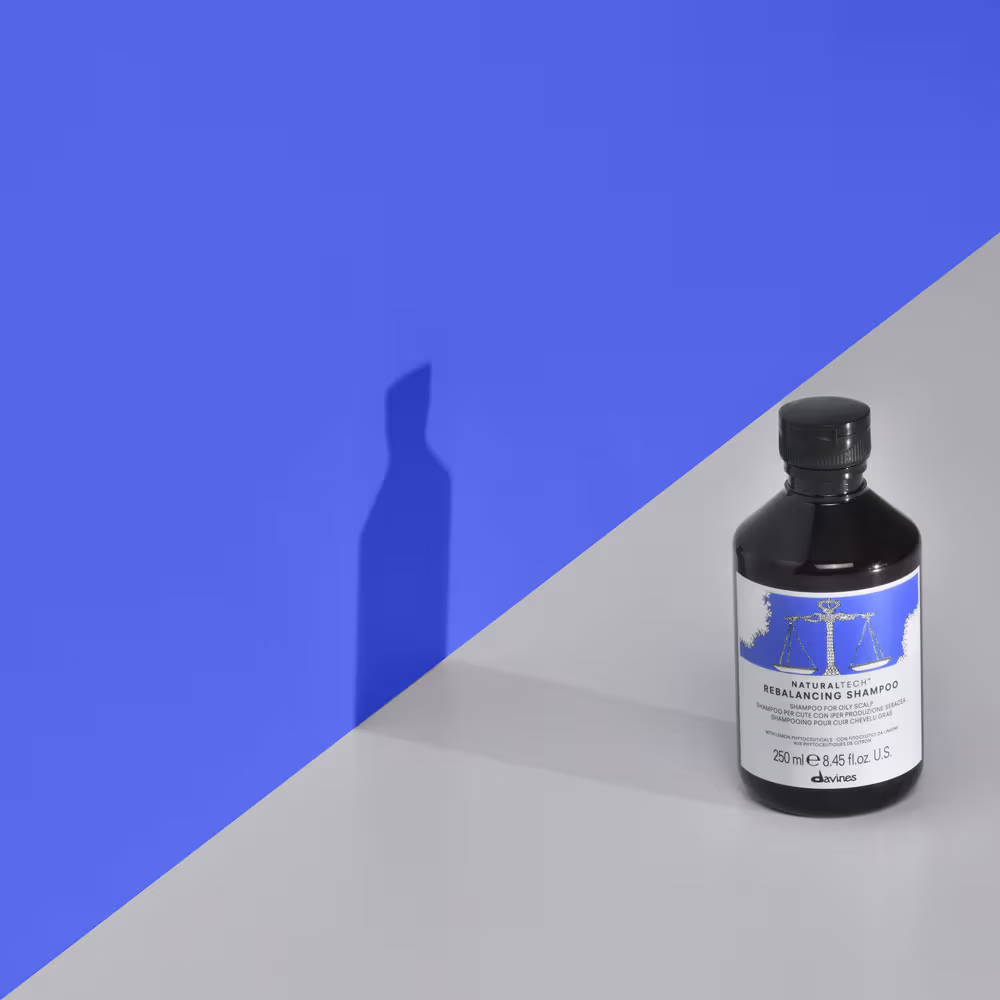
Look for lightweight, scalp-friendly hair care products free from heavy silicones and unnecessary waxes. A clarifying shampoo used once or twice a week removes product buildup and resets the scalp without the daily use of a harsh cleanser. The Davines REBALANCING Shampoo is formulated for moderately greasy hair, combating excess sebum production while keeping the scalp clean.
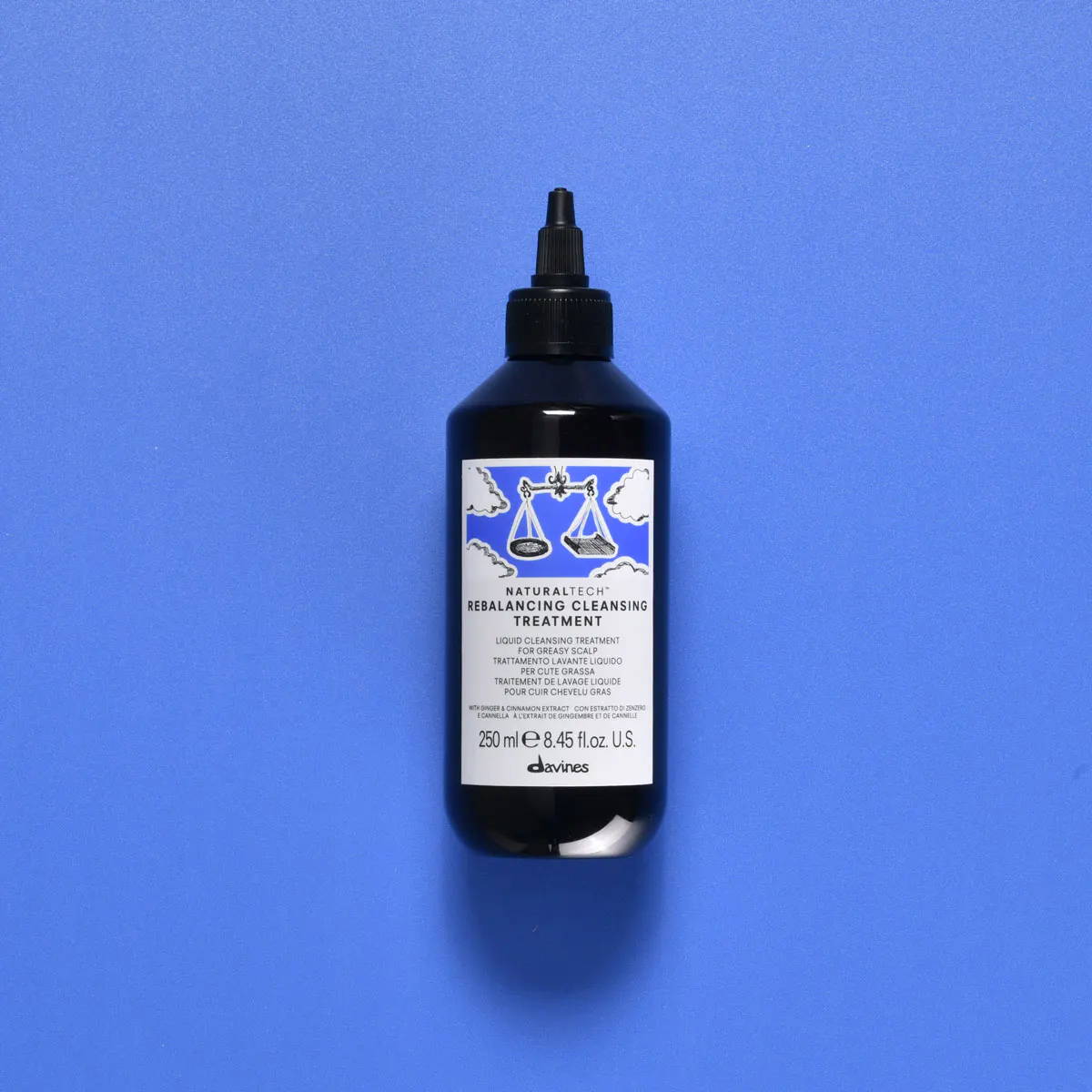
For more persistent oiliness, the REBALANCING Cleansing Treatment is applied directly to the dry scalp before washing to target sebum overproduction at the source. It's clinically shown to reduce scalp sebum by 15% after 14 days and 19% after 28 days, when used three times per week*. Both are part of the Davines Naturaltech line, which bridges sustainable hair care with targeted, science-backed formulas.
Naturaltech: REBALANCING
Formulas designed to deeply cleanse excessively oily hair and scalps
For a periodic deep clean, the ELEVATING Clay Supercleanser—a 100% natural clay powder available exclusively through Davines salons—removes stubborn buildup and absorbs excess oil for a thorough scalp reset.
*Instrumental tests on 20 subjects.
Natural Ingredients That Help Regulate Oil
The right ingredients support the scalp's ability to manage sebum without harsh intervention. Home remedies such as apple cider vinegar and witch hazel can help remove buildup and tighten scalp pores, respectively.
Davines recognizes the importance of natural ingredients for you and the planet. As such, the REBALANCING system contains natural active ingredients that play a key role in the regulation of sebum, thanks to their effective astringent properties:
- Ginger is known for its stimulant and purifying activity.
- Cinnamon is rich in tannins and, traditionally, has been used as a source of natural antibacterial substances.
- Burnet is a flower of the Rosaceae family, like the rose, apple, and strawberry, used in Chinese medicine for centuries and known for its excellent astringent properties.
Together, they address oil production at the scalp level rather than simply masking the appearance of greasiness. This ingredient-led approach is more effective than frequent washing alone.

The Davines Difference
In Davines salons, our hairdressers can analyze the condition of your scalp and recommend the service that’s best suited to your hair’s level of oiliness.
You Might Also Like...


by Jaclyn LaBadia, featured contributor
How To Align Your Hair Treatments With Your Hair Growth Cycles Understanding your hair growth cycle is one of the...
by Jaclyn LaBadia, featured contributor
Your product toolkit for frizzy hair If you have naturally frizzy hair, you’ll know how frustrating it can be. The...
by Jaclyn LaBadia, featured contributor
Post-Summer Hair SOS: Davines Autumn Hair Care Favorites Learn about the best tips and haircare products to help you gently...
Leave a comment
Comments will be approved before showing up.