
 Shop Now Summer FavoritesWelcome the sunniest season with stylist-approved haircare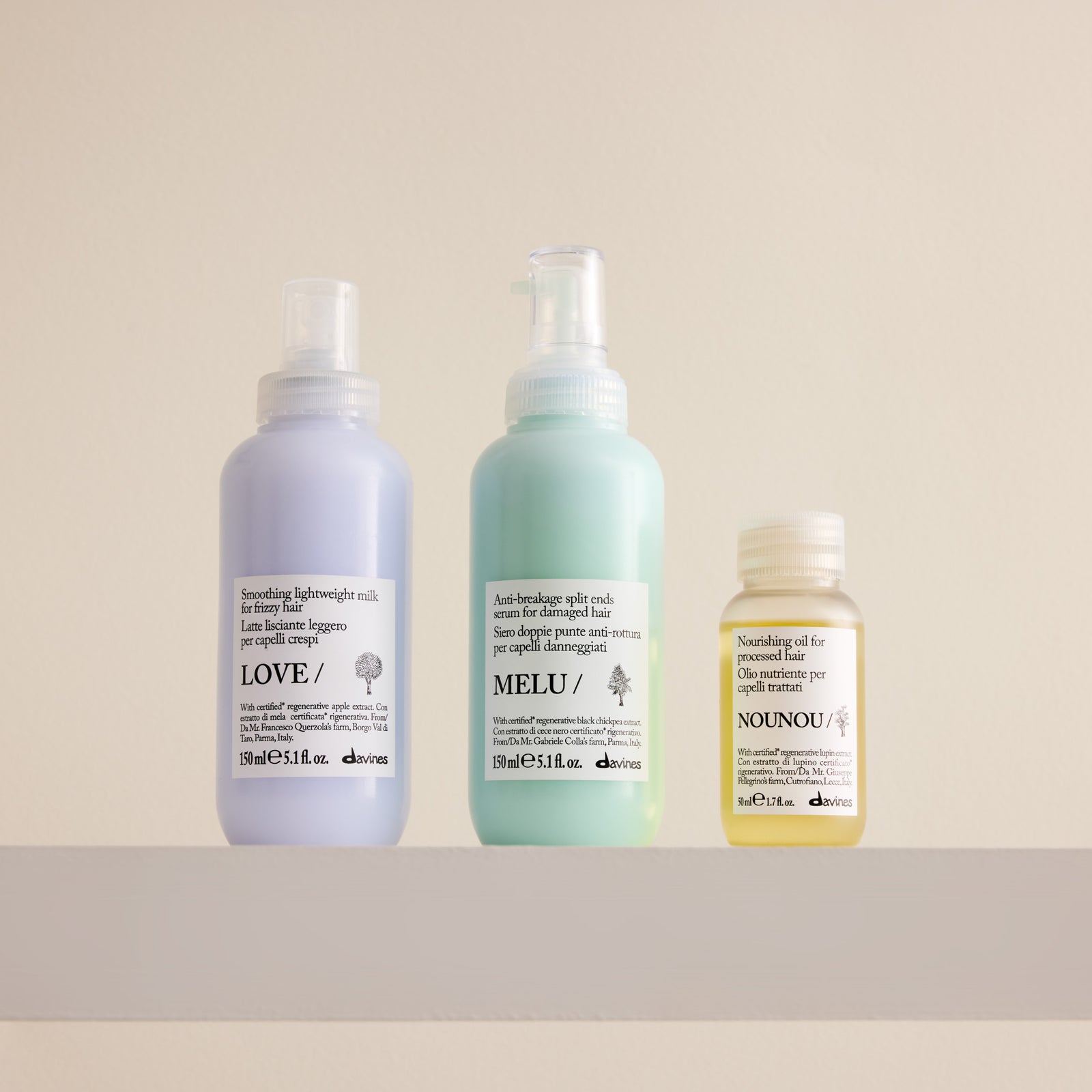








How to Fix Frizzy Hair: 13 Tips for Smooth, Frizz-Free Strands
Updated on June 30, 2026 | 3 min read
Lauren Hannel, Davines Writer
Despite all of the hair woes we have to deal with, the battle against frizz unifies most of us. The second the weather report predicts a humid heat wave, or you spend a little too much time in a steamy shower, there's a good chance frizz is coming. But while we associate these situations with unruly hair, and sometimes just with the hair texture we were born with, what exactly causes frizzy hair?
Key Takeaways
What to Know About Frizzy Hair
- Frizz is caused by a lifted hair cuticle seeking moisture, and is made worse by humidity, heat damage, and high hair porosity.
- A consistent hair care routine built around moisture, from shampoo to leave-in conditioner to hair oil, is the most effective long-term fix.
- How you dry, style, and even sleep on your hair all affect frizz.
- The right anti-frizz products, used correctly, can make a significant difference for every hair texture.
In This Article
What Causes Frizzy Hair?
13 Tips for How to Fix Frizzy Hair
Smooth Hair Starts Here
What Causes Frizzy Hair?
Frizz is caused by a lack of moisture in the hair. When the hair cuticle (the outermost layer of the hair shaft) is dry or damaged, it lifts up in an attempt to pull moisture in from the surrounding environment. This is why frizz tends to spike in humid conditions: Dry, porous hair absorbs moisture from the air, causing the strands to swell. The result is that familiar, puffed-up, unruly texture.
Hair damage plays a significant role in frizz. Heat styling, chemical treatments, split ends, and friction from rough towels or accessories can all rough up the cuticle and increase hair porosity, meaning the hair absorbs and loses moisture more quickly and unevenly. High-porosity hair is especially prone to frizz in humid conditions because there's less structural integrity keeping moisture locked in.
A lot of the time, frizziness is also just part of your natural hair texture. But if frizz is something you're looking to manage, there are real, effective strategies for getting it under control both before and after it happens.

13 Tips for How to Fix Frizzy Hair
1. Get Regular Trims
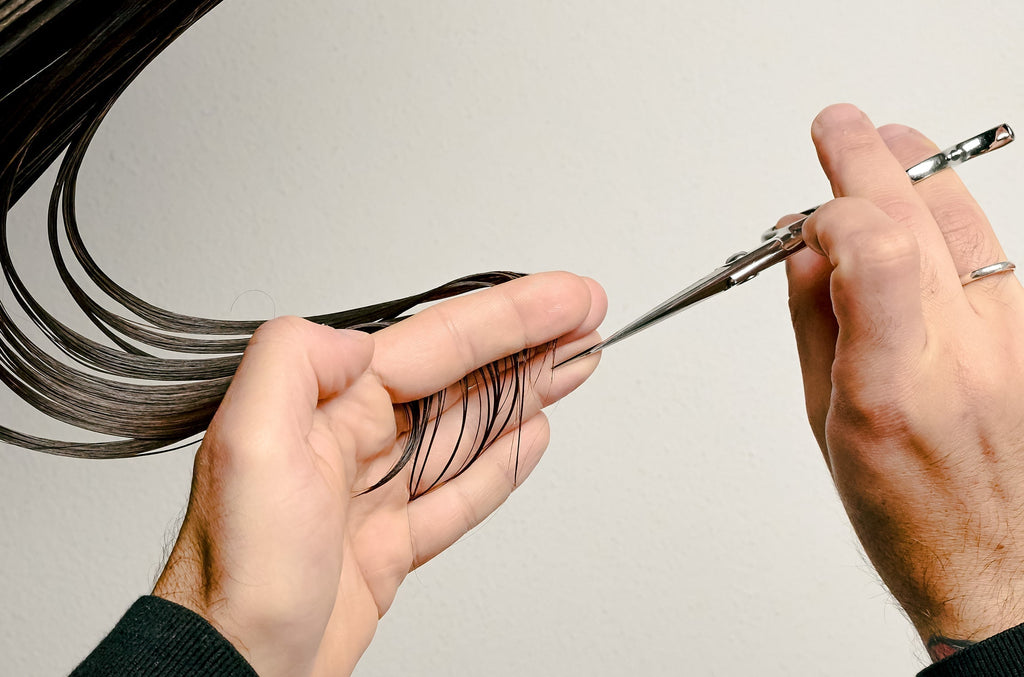
The first step toward healthy, smooth hair is keeping up with trims. Split ends left untreated travel up the hair shaft over time, causing chronic frizz and dry hair that's harder to manage. Scheduling a trim every eight weeks keeps damaged ends from undermining the rest of your routine. When it comes to frizz control, cutting off dry, damaged hair is one of the most straightforward things you can do.
2. Use Hydrating Hair Products
Since frizz is rooted in dehydration, the hair products you use daily matter more than anything else. Start with a moisturizing shampoo for frizzy hair that gently cleanses without stripping natural oils, leaving strands smooth and shiny. Follow with a conditioning treatment that restores elasticity and softness while smoothing the cuticle. While you’re using these products, dial back the shower temperature. Hot water opens the cuticle and increases moisture loss, making frizz worse before you've even stepped out.
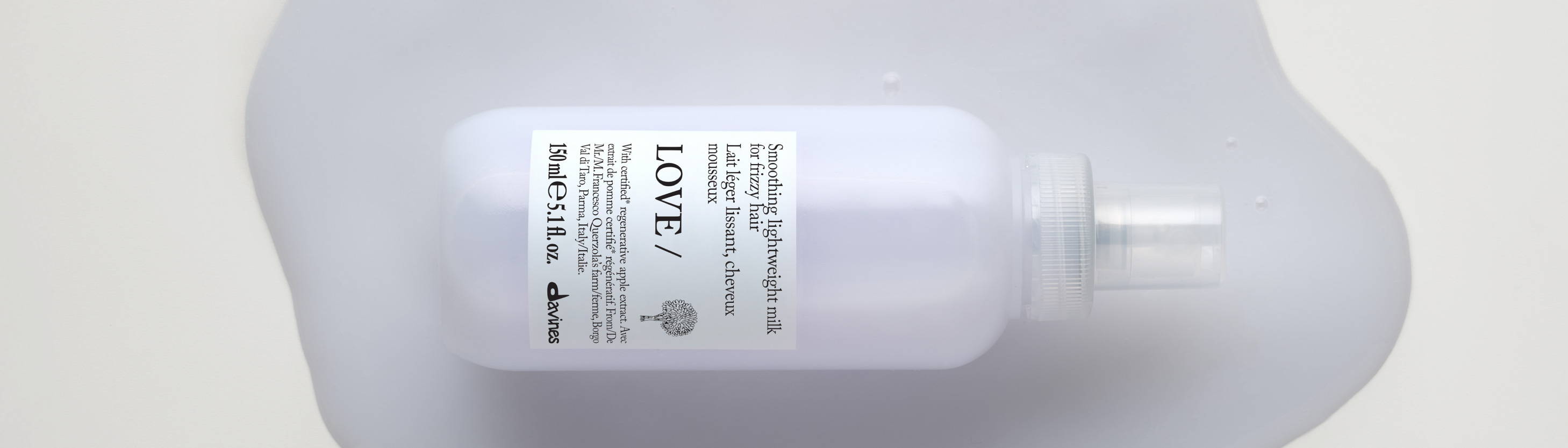
Up to 3.9 times smoother hair after one use*
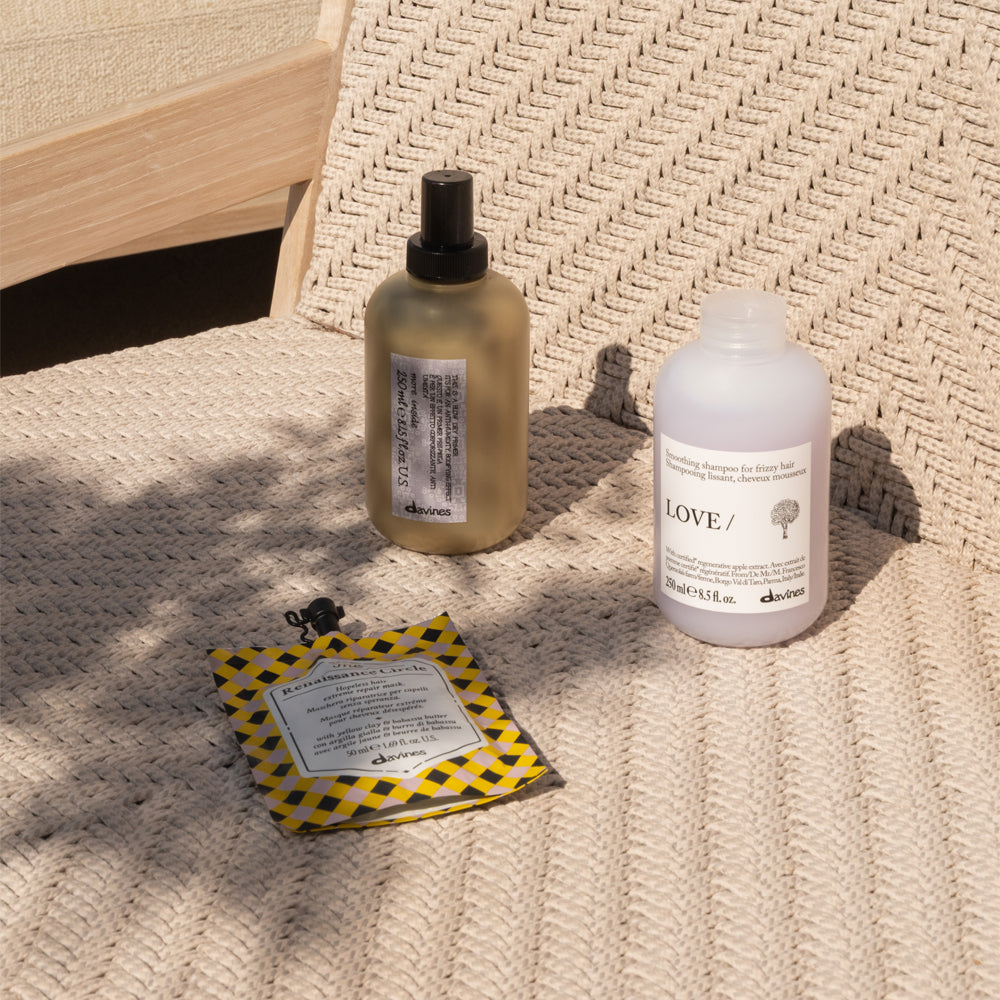
Formulated to target frizzy hair, LOVE SMOOTHING Shampoo delivers long-lasting anti-frizz action, deep hydration, and shine.
*Clinical test on hair strands treated with LOVE SMOOTHING shampoo, conditioner, and lightweight milk.
3. Add a Hair Mask to Your Routine
Deep conditioning is a non-negotiable for anyone dealing with frizzy hair. A moisturizing hair mask builds on the benefits of your shampoo and conditioner, delivering deeper hydration that helps smooth the cuticle and reduce porosity over time. If your ends are especially dry or damaged, try multi-masking: Apply different moisture concentrations to your scalp, lengths, and ends based on what each section actually needs.
4. Switch to a Microfiber Towel
Wet hair is at its most vulnerable because the cuticle is open, so the strand is more prone to breakage and friction. Rough cotton towels create exactly the kind of friction that leads to frizz and damage. Swap yours for an absorbent microfiber towel or hair wrap instead. The gentler drying action keeps the cuticle smoother, which means less frizz as your hair dries and less breakage over time.
5. Air Dry When You Can
For mild frizz, especially after using the right anti-frizz products, air drying is your best friend. After blotting hair dry with your microfiber towel, apply a leave-in hair smoother to damp hair to moisturize and tame frizz-prone strands. Then try twisting small sections into individual ringlets and letting them air dry completely. Once dry, gently separate and tousle the sections. You'll get smooth, defined waves without any heat damage.
6. Always Use a Heat Protectant
For days when air drying isn't an option, smart heat styling can still deliver frizz-free results—but only if you protect your hair first. Before reaching for any hot tool, apply a heat-protecting spray to towel-dried hair. It shields the hair structure from heat damage, helps lock in moisture, and adds softness and smoothness to the finished style. Skipping this step is one of the most common reasons heat styling leads to more frizz over time.
7. Try a Combination Drying Method
If you want the benefits of air drying but need to speed things up, a hybrid approach works well. After applying your products, let your hair air dry about 90% of the way, then finish with a blow dryer on a low heat setting, ending on cool. This smooths and seals the cuticle with minimal heat damage while still giving you control over the final shape of your style.
8. Lower the Heat
Just because a flat iron goes up to 450 degrees doesn't mean you need to use it there. Excessive heat lifts the hair cuticle, strips moisture, and causes damage that leads to chronic frizz. Find the lowest effective temperature for your hair texture and thickness. Finer hair needs far less heat than coarse or thick hair. After blow drying, finish with a blast of cool air for about 20 seconds. The cold air encourages the cuticle to lie flat, which means smoother, shinier hair and significantly less frizz.
9. Use a Diffuser for Curly Hair
For curly and wavy hair, a diffuser is one of the most effective tools for reducing frizz while maintaining definition. Rather than blasting hair with direct heat, which disrupts the curl pattern and raises the cuticle, a diffuser disperses airflow evenly and gently. Start at the ends and slowly work your way up toward the scalp. For extra volume, flip your head upside down while diffusing.
10. Finish With a Hair Oil
After styling, a lightweight hair oil is one of the best tools for smoothing flyaways and sealing the cuticle. Apply a few pumps to your palms and smooth from root to tip, ensuring the cuticle lies flat across each strand. Hair oil adds shine, controls frizz, and provides a layer of protection against humidity throughout the day. For fine or thin hair, opt for a lightweight, non-greasy option that focuses on hydration without weighing strands down.
Multi-functional oil for taming frizz
Our best-selling OI Oil not only smooths unwanted texture, it also adds heat protection, softness, and shine for your silkiest hair yet.
11. Keep Your Hands Out of Your Hair
Once you've finished styling, leave your hair alone. Constantly touching your hair roughens up the cuticle, disrupts curl and wave patterns, and introduces oils from your hands that can contribute to frizz and texture changes throughout the day. Style it, trust it, and let it be.
12. Swap Out Your Hair Accessories
Even with the best products and techniques, the wrong accessories can undo your work. Traditional rubber bands cause friction that results in creasing and breakage, two direct contributors to frizz. Replace them with silk or satin scrunchies that let hair glide through without snagging. When heat styling, use clips or bobby pins to hold sections smooth while you work through the rest of your hair.
13. Sleep on a Silk Pillowcase
The final step in a solid anti-frizz routine happens before you even fall asleep. Cotton pillowcases create friction as you move throughout the night, roughing up the hair cuticle and leaving you with frizzy, creased hair by morning. A silk or satin pillowcase lets your hair glide smoothly across the surface, reducing friction, preserving moisture, and protecting your style so it lasts into the next day.

Smooth Hair Starts Here
Learning how to fix frizzy hair takes consistency more than anything else. Build a routine around moisture, starting with a hydrating shampoo and conditioner, a weekly deep conditioning hair mask, and a leave-in treatment on wash days. Be thoughtful about heat styling, always use a heat protectant, and finish with a lightweight hair oil to seal the cuticle and smooth flyaways. Then take those good habits all the way to bedtime with a silk pillowcase. Humid days are inevitable, but frizzy, unruly hair doesn't have to be.
For more on tackling frizz from every angle, check out our guide on how to get rid of static hair.

Ready for a New Look?
Visit your local Davines salon for customized color, cuts, and care.
You Might Also Like...

by Jaclyn LaBadia, featured contributor
How to Scrunch Hair: Guide for Straight, Wavy, and Curly Textures Learn how to scrunch hair for natural waves and...

by Jaclyn LaBadia, featured contributor
How to Fix Brittle Hair: Causes, Treatments, Repair Learn what causes brittle hair, how to repair it, and the best...
by Jaclyn LaBadia, featured contributor
The Jellyfish Haircut: Layered Variations and Styling Discover the jellyfish haircut: what it is, who it suits, and how to...
1 Comment
1 Response
Aryn
March 18, 2020
i need a silk pillowcase !
Leave a comment
Comments will be approved before showing up.