
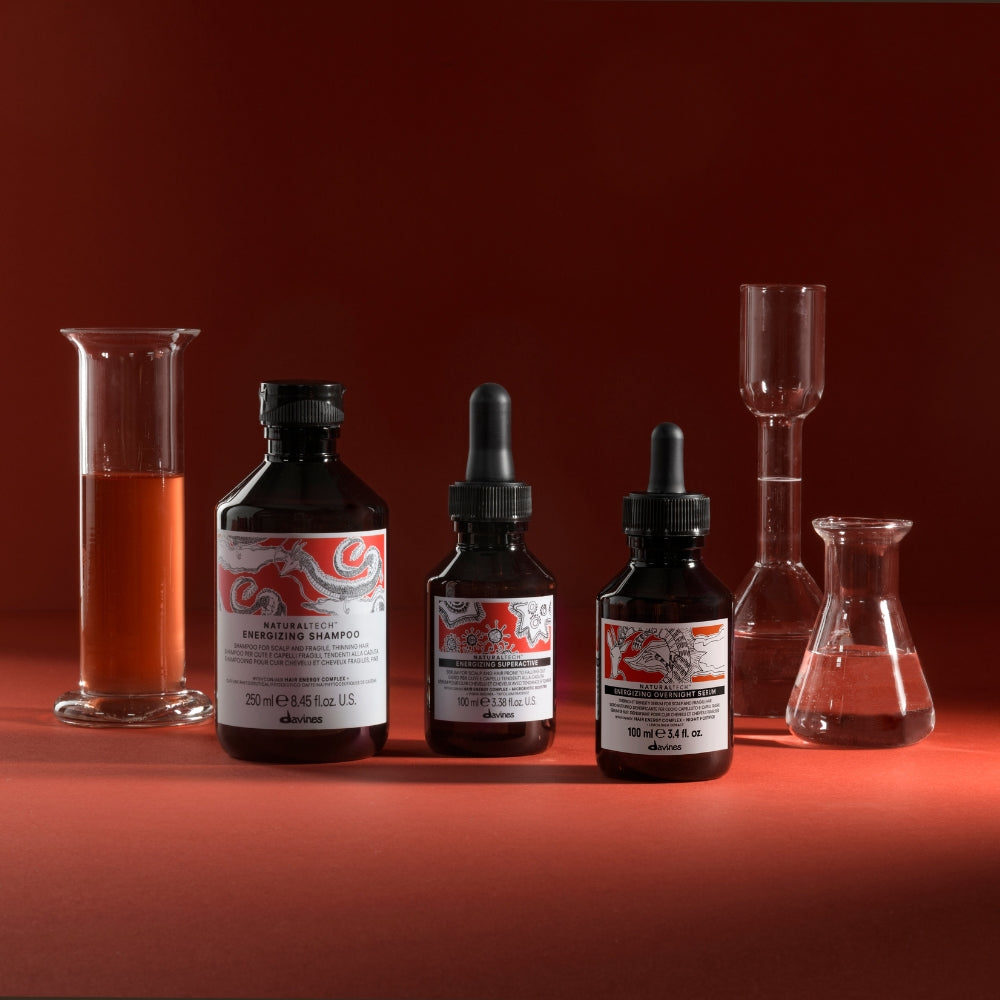
 Shop Now Your New Nighttime HeroMeet the ENERGIZING Overnight Serum: restore strength and vitality as you sleep








How to Fix Orange Hair: Toning, Color Correction, and At-Home Solutions
Learn how to fix orange hair after bleaching with blue shampoo, toner, and at-home color correction tips. Plus what color cancels orange tones.
Updated on June 25, 2026 | 3 min read
Jaclyn LaBadia, Davines Writer
Key Takeaways
How to Fix Orange Hair
- Orange hair after bleaching is caused by warm pigments revealed during the lifting process — usually undertones of red and yellow.
- Blue is the color that cancels out orange on the color wheel, while purple cancels out yellow brass on lighter blondes.
- A blue toning shampoo or demi-permanent toner is the easiest at-home fix for orange tones.
- Avoid re-bleaching for at least two to four weeks to protect the hair's structural integrity.
- For severe orange tones or uneven color, see a professional colorist for a corrective gloss.
In This Article
What Color Cancels Out Orange in Hair?
Why Does Hair Turn Orange After Bleaching?
How to Fix Orange Hair After Bleaching
How to Fix Orange Bleached Hair at Home
How to Prevent Orange Tones in the Future
When to See a Professional Colorist for Orange Hair
FAQs
What Color Cancels Out Orange in Hair?
Anyone with bleached hair knows that brassiness is par for the lived-in course. The lightening process, in combination with environmental factors and everyday habits, will ultimately leave you with some notably unwanted brassy, or orange tones. If you’re wondering how to fix orange hair, it comes down to a matter of color theory, relying on opposite colors on the color wheel cancelling each other out. Blue is directly opposite orange on the wheel, so blue neutralizes orange. Purple is opposite yellow, so purple neutralizes yellow. And green neutralizes red. Ready to banish brass and bring your color back to life? Ahead we’ll tell you how to fix orange hair with color-correcting tips and easy at-home fixes.
Why Does Hair Turn Orange After Bleaching?
Orange hair after bleaching is primarily caused as a result of the lightening process itself. Bleach dissolves the hair's natural pigments, lifting color in stages; black, brown, red, orange, yellow, pale yellow. Orange undertones in your hair mean that’s the stage in the process where the bleach stopped working. Other factors contributing to your hair turning orange after bleaching include water quality, sun exposure, types of products, buildup and excessive heat application. Your hair’s underlying pigment, hair history, and bleach strength also play a role.
How to Fix Orange Hair After Bleaching
Brass is a common and unavoidable side effect of the hair lightening process. But all is not lost once those dreaded orange tones appear. You just need a few tried and true brassy hair hacks up your sleeve. This is how to fix orange hair after bleaching.
Use a Blue Toning Shampoo
Since blue cancels out orange, the easiest at home fix is a blue toning shampoo. These formulas deposit temporary blue pigments onto the hair shaft, to counteract the orange. Gently massage ALCHEMIC Shampoo Silver into your scalp, working it between strands, and down the shaft. Leave it on for 3- 5 minutes before rinsing. Follow with Alchemic Conditioner Silver to deepen the pigment deposit.
Toning wash with color-depositing shampoo
Pigmented shampoo to enhance and neutralize color
The easiest in-shower fix for unwanted warmth? A shampoo that deposits cool pigment with every wash, no separate toning appointment required. ALCHEMIC Shampoo Silver neutralizes warm, brassy reflections while intensifying and illuminating cool blonde and silver tones.
How to use: Apply to wet hair, lather, and leave on 3–5 minutes before rinsing (strand-test first). Use once or twice a week in place of regular shampoo until tone is corrected.
Apply a Demi-Permanent Toner
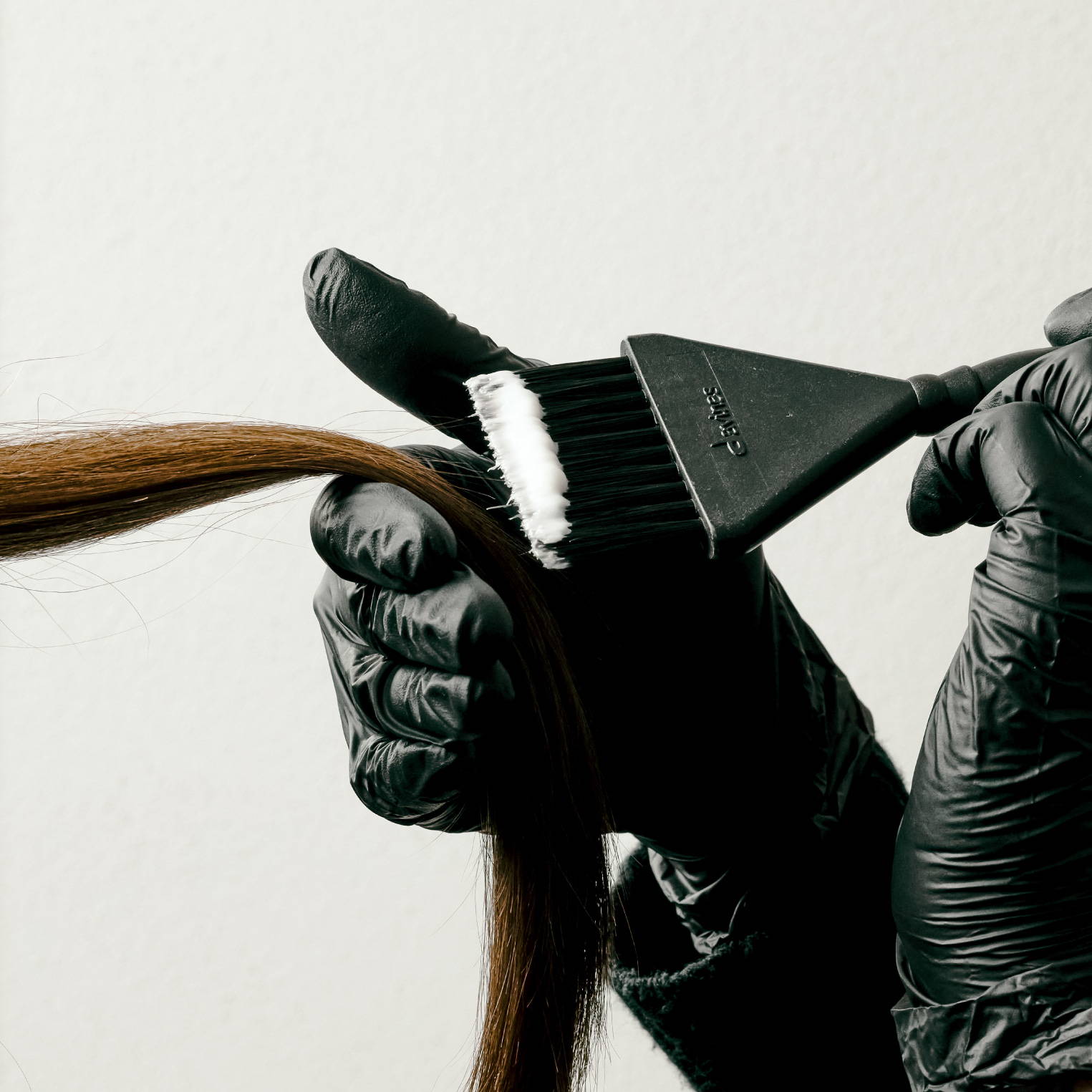
A demi-permanent toner can also help to neutralize unwanted orange tones. Unlike toning shampoos, which deposit pigment on top of the strands, a demi-permanent toner lifts the cuticle so the pigment can penetrate the hair shaft. It requires a developer (a low level of peroxide) to activate, so while you can buy an at-home box version, we recommend an in-salon service for the best color results.
Tone and condition with temporary color
Pigmented conditioner for deep hydration and tone
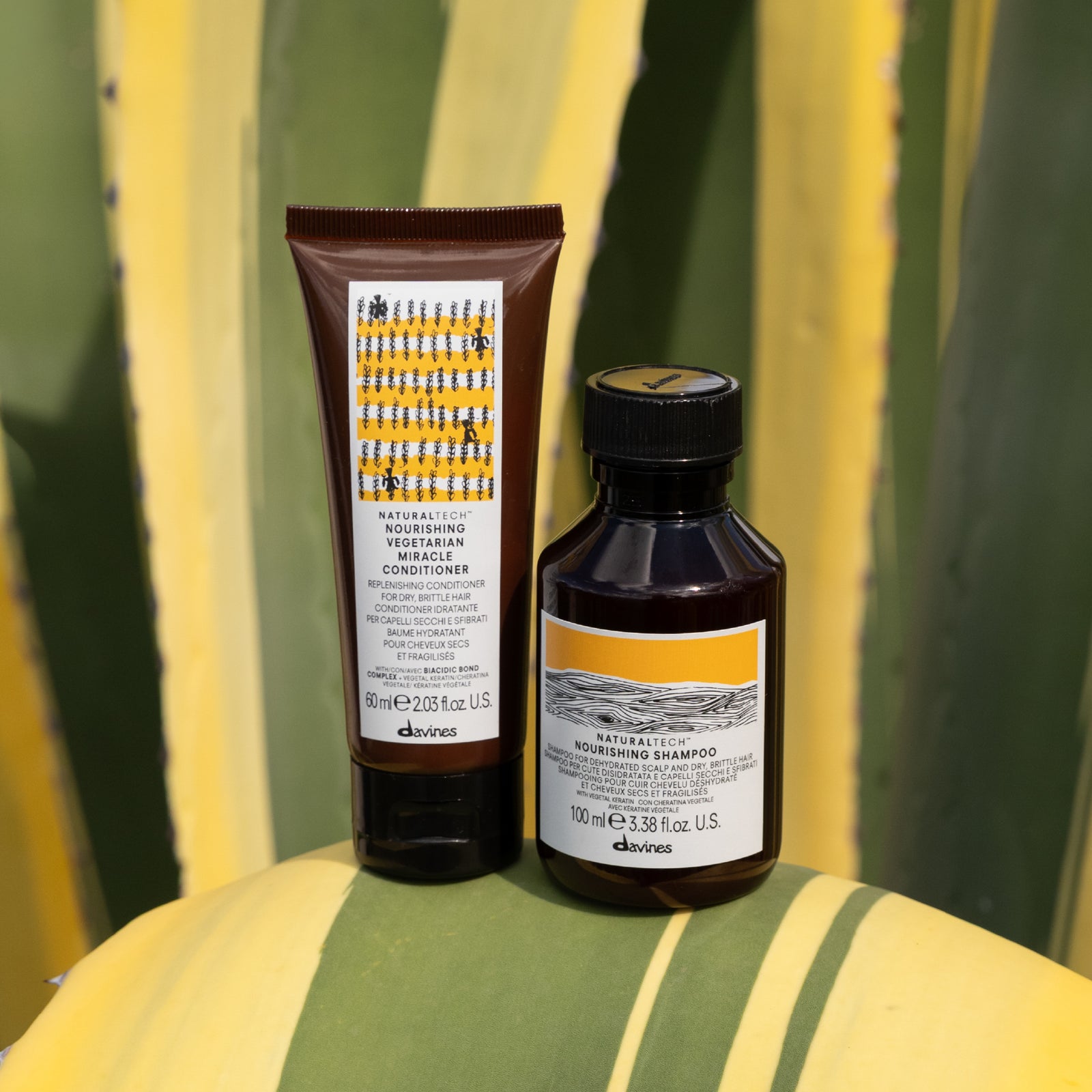
Pair with the matching toning shampoo to deepen cool reflections and add the moisture bleached hair needs after lifting. A color-enhancing conditioner boosts the toning effect while softening bleached strands for smoothness and shine.
Try a Gloss Treatment
A salon gloss treatment helps to seal the hair cuticle tight, preventing color fade and providing a high-shine finish that reflects light. It also helps to neutralize brassiness. Ask your colorist to use a gloss as the final step in your color service to lock in your color, add shine and condition. A follow up gloss about four weeks after your service will help keep unwanted orange tones at bay.
Dye Your Hair Darker
If you’re wondering how to fix orange hair that’s severely brassy, the smartest fix is to dye it darker. Choose a cooler-toned, darker shade to instantly cancel brassiness and unwanted orange. The newly deposited pigments in the dye will neutralize any exposed warm, yellow and orange tones. Shades like dark ash blonde, mushroom brown and sandy dark blonde work on various skin tones to counteract the warmth.
We're Gifting You A Salon Experience!
Discover our iconic OI line and professional stylists
Ready for a color refresh? Receive a rebate for $50 toward your next Davines salon haircare or color service.
How to Fix Orange Bleached Hair at Home
If you’re still wondering how to fix orange bleached hair at-home, fear not! There are plenty of DIY ways to rid yourself of those brassy, orange tones. These are the best ways to correct your color at home.
- Cleanse with a clarifying shampoo like HEART OF GLASS Silkening Chelating Shampoo
- Nourish with a fortifying conditioner like HEART OF GLASS Rich Conditioner
- Invest in a water filter for your shower and use lukewarm or cool water when you wash your hair
- Limit exposure to environmental stressors like UV rays, salt water and chlorine
- Deep condition with hair masks regularly
- Avoid heat styling, but use a heat protectant with your tools on a low heat setting when you can’t
- Stay away sulfates, alcohol and other harsh ingredients in your hair products
- Try not to re-bleach your hair again for at least two weeks; eight if your hair is dry or damaged
How to Prevent Orange Tones in the Future
We told you how to get rid of them, but how do you prevent orange tones from coming back? Unfortunately for some people because of their hair’s underlying pigment, hair history, everyday habits and type of lightening service, the occasional orange breakthrough will happen. But these at-home care tips will help you maintain your color and minimize future brassiness.
- Use MINU Color Protective Shampoo and Conditioner to maintain and extend the life of your color
- Filter shower water to remove minerals that turn hair brassy
- Avoid pool chlorine, salt water, and direct sun exposure
- Allow a minimum of two to four weeks in between bleaching services to protect the hair's structural integrity; eight to ten if your hair is dry or damaged
- Avoid sulfates and other harsh ingredients in your hair care products
- Add moisture often with leave-in treatments and deep conditioners
- Be mindful when heat styling- avoid it when you can and protect your strands when you can’t
Ongoing color care
Long-lasting color vibrancy for up to 4 weeks*
Switch to a a color-protecting shampoo once orange tones are corrected to keep brassiness from creeping back. MINU Shampoo gently cleanses without stripping tone, extending the lift of your toner and corrected color.
*Instrumental test on hair strands exposed to UV light or repetitive washes, comparing results using MINU shampoo, conditioner/mask, and milk vs. control (shampoo without colour protecting benefits).
When to See a Professional Colorist for Orange Hair
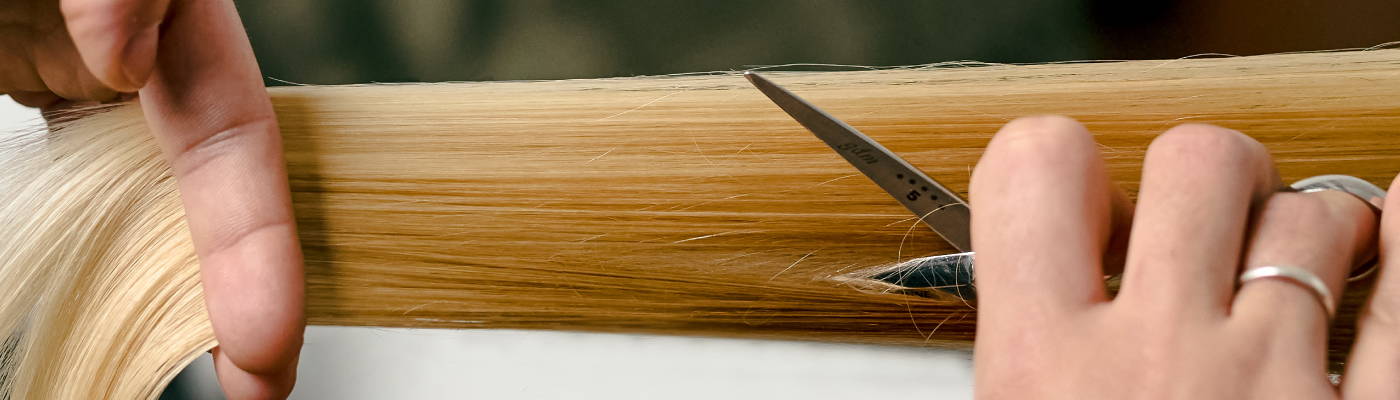
In cases of severe orange tones and brass, you might need an in-salon color correction. This is a highly customized, multi-step service that addresses issues like uneven color, box-dye buildup, brassiness or bleach damage. A color correction appointment includes a consultation to analyze your hair, removal of previous pigments, depositing new ones, neutralizing remaining tones and deep conditioning and bond building to restore protein, moisture and shine. If you have harsh, uneven stripes or patches of orange in your hair, have visible breakage or chemically damaged strands, it's time to book a corrective color service with a professional at a Davines salon in your area.
FAQs
What color cancels out orange in hair?
Figuring out what color cancels out orange in hair is a matter of color theory, which states that complementary colors opposite each other on the color wheel cancel each other out. Blue is directly opposite orange on the wheel, so blue pigments cancel out orange in hair.
Should I use blue or purple shampoo for orange hair?
When it comes to the best color depositing shampoo to tone orange hair, refer to the color wheel. Since blue and orange are opposite each other on the wheel, they cancel each other out. So blue shampoo is best for orange hair. Purple shampoo is best for neutralizing yellow hair, since these two colors are opposites.
How long should I leave blue shampoo on orange hair?
For the best results when toning orange hair, leave blue shampoo on for 3- 5 minutes, before rinsing. Follow with a blue conditioner to deepen the pigment deposit and rinse thoroughly with cool water to seal the pigment into the cuticle.
Can I fix orange hair without re-bleaching it?
Yes, you can fix orange hair without re-bleaching it. Methods like using a blue toning shampoo and conditioner, applying a demi-permanent toner, trying a gloss treatment or dyeing your hair darker help to neutralize unwanted orange tones after bleaching.
How long should I wait to re-bleach orange hair?
The ideal timeline for re-bleaching orange hair depends on the current health and condition of it. To protect your hair's structural integrity, you should wait a minimum of two to four weeks between bleaching sessions. If your hair is dry or damaged, you should wait a minimum of eight to ten weeks.
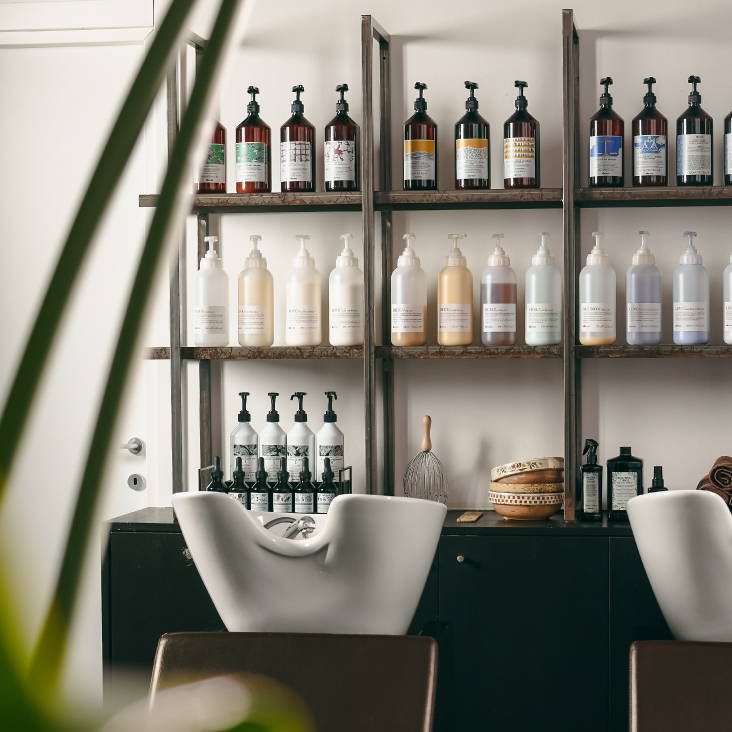
Ready for a New Look?
Visit your local Davines salon for customized color, cuts, and care.
You Might Also Like...
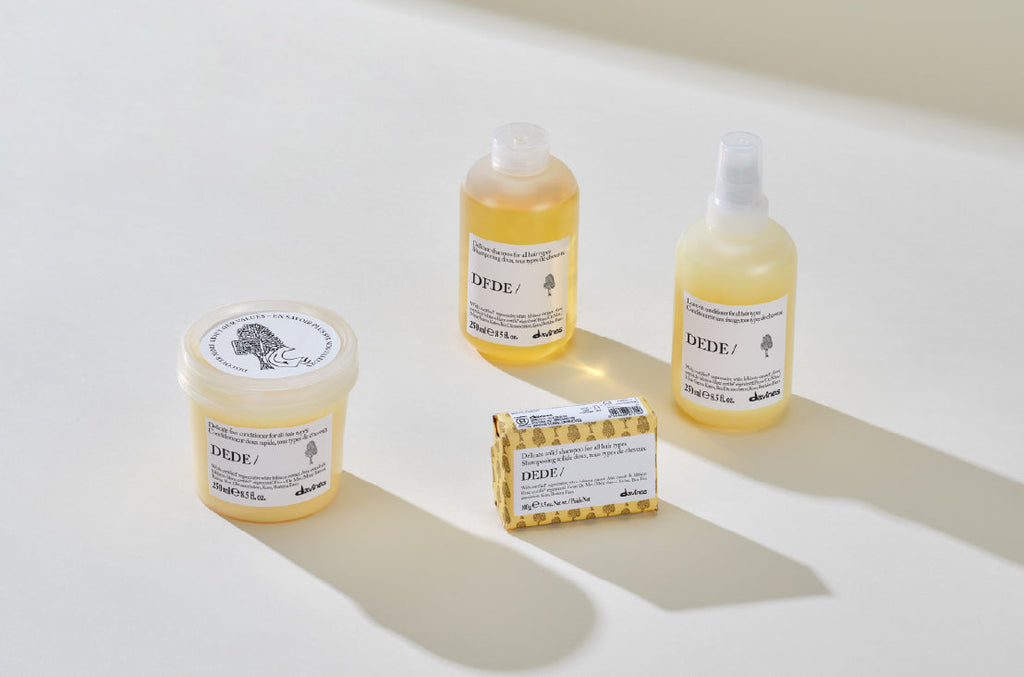

by Jaclyn LaBadia, featured contributor
Daily wash dilemma: should you shampoo every day? Washing your hair and scalp is as important as washing the rest...
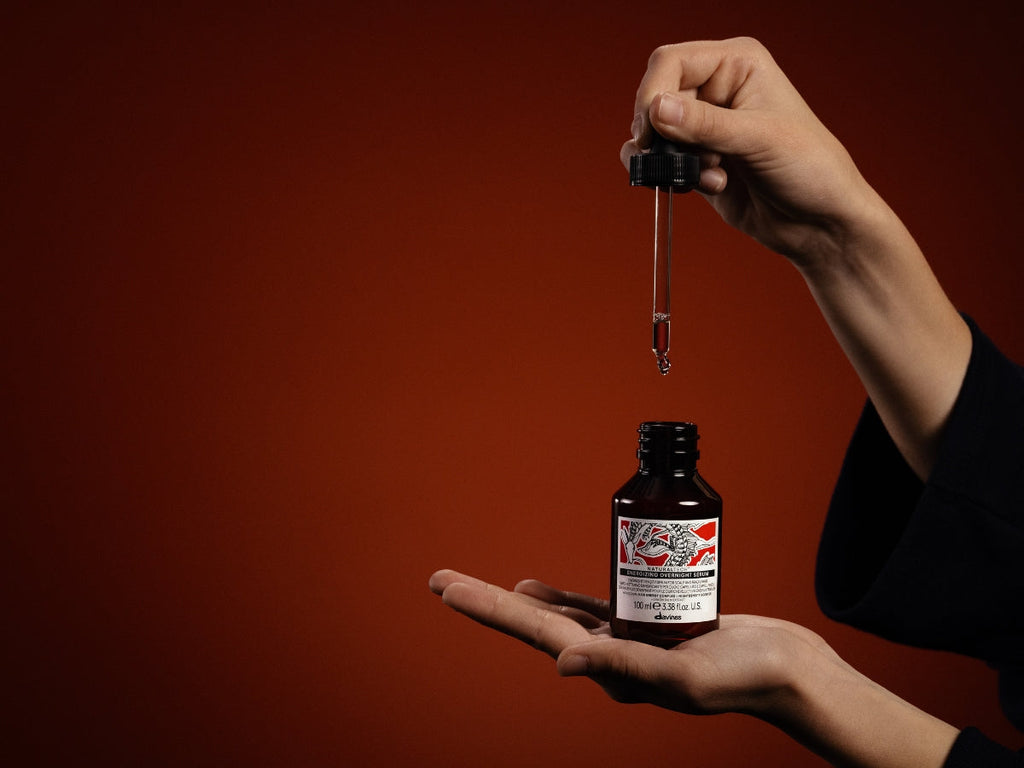
by Jaclyn LaBadia, featured contributor
Your Guide to Overnight Hair and Scalp Serums and Their Benefits Learn how these formulas can support your nightly hair...
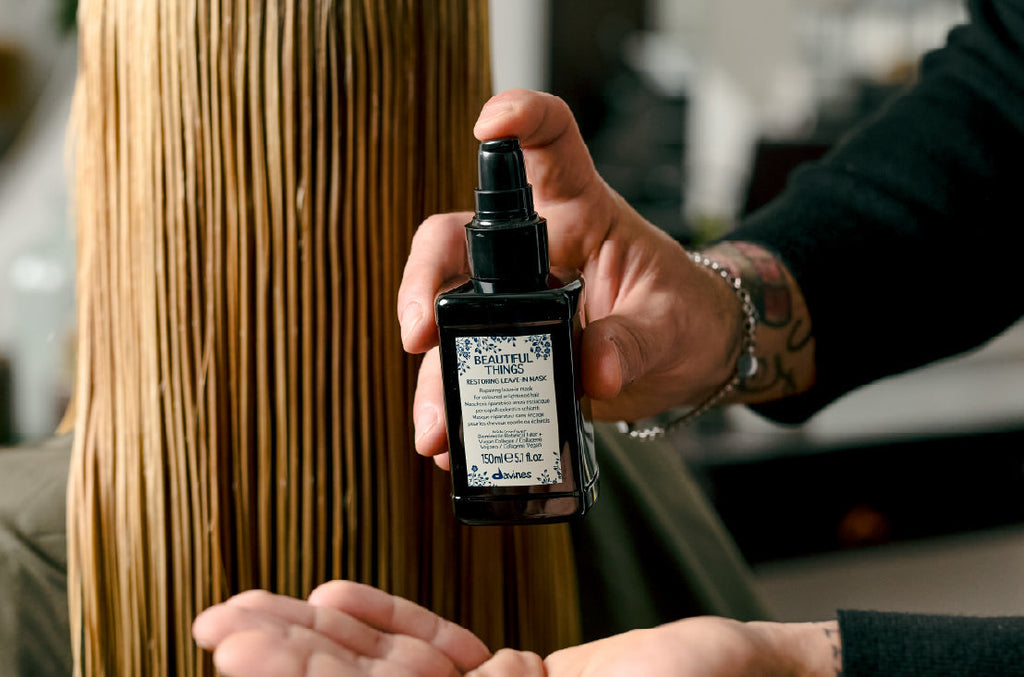
by Jaclyn LaBadia, featured contributor
Bronde Hair: The Best of Blonde and Brunette in One Color Bronde hair blends blonde and brunette for a sunlit,...
Leave a comment
Comments will be approved before showing up.