

 Your Daily Dose of Everything Award-Winning Hair Every DaySoftness, shine, and control in one iconic do-it-all formula









Is Silicone Bad for Your Hair?
Updated on July 21, 2025 | 5 min read
Jaclyn LaBadia, Davines Writer
Silicones are found in nearly every beauty product category from haircare to makeup. They give your skin or strands an instant boost of slip and shine, but silicones get a bad rap. There's lots of caution around using silicones in hair products, some of which is well- deserved—they can affect the strength and appearance of your hair long term. But is silicone bad for hair? We have everything to know about the controversial ingredient ahead- including why to avoid it and the best silicone-free product alternatives.
Key Takeaways
What to Know About Silicone
- Silicones add temporary shine, smoothness, and manageability to hair but can cause long-term issues.
- Over time, silicone builds up on the hair shaft, blocking moisture and nutrients, leading to dryness, breakage, and dullness.
- Fine, chemically-treated, or damaged hair should especially avoid silicones, as they weigh down hair and exacerbate damage.
- Silicones come in different forms: water-soluble, non-soluble, and volatile—check labels for ingredients ending in -cone, -xane, or starting with PEG.
- Switching to silicone-free hair products promotes healthier, stronger, and more hydrated strands.
- Clarifying shampoos help remove existing silicone residue, preparing your hair for a healthier routine.
- Silicones also have an environmental impact, as many are not biodegradable and contribute to pollution.
In This Article
What is Silicone and How Is It Used in Hair Products?
Labels to Look Out For in Hair Products
Silicone-Free Product Alternatives
Silicone and Your Hair
FAQ
What is Silicone and How Is It Used in Hair Products?
Silicones are microplastics derived from crystal quartz that are added to hair and skincare products to create slip and shine. They're commonly used in shampoos, conditioners and styling products labeled as ‘smoothing’ to temporarily soften the hair. Products with silicones add shine and manageability, making strands silky smooth, but is silicone bad for hair? Let's dive a little deeper into the pros and cons of silicone in hair care below.
Pros of Silicones in Hair Care
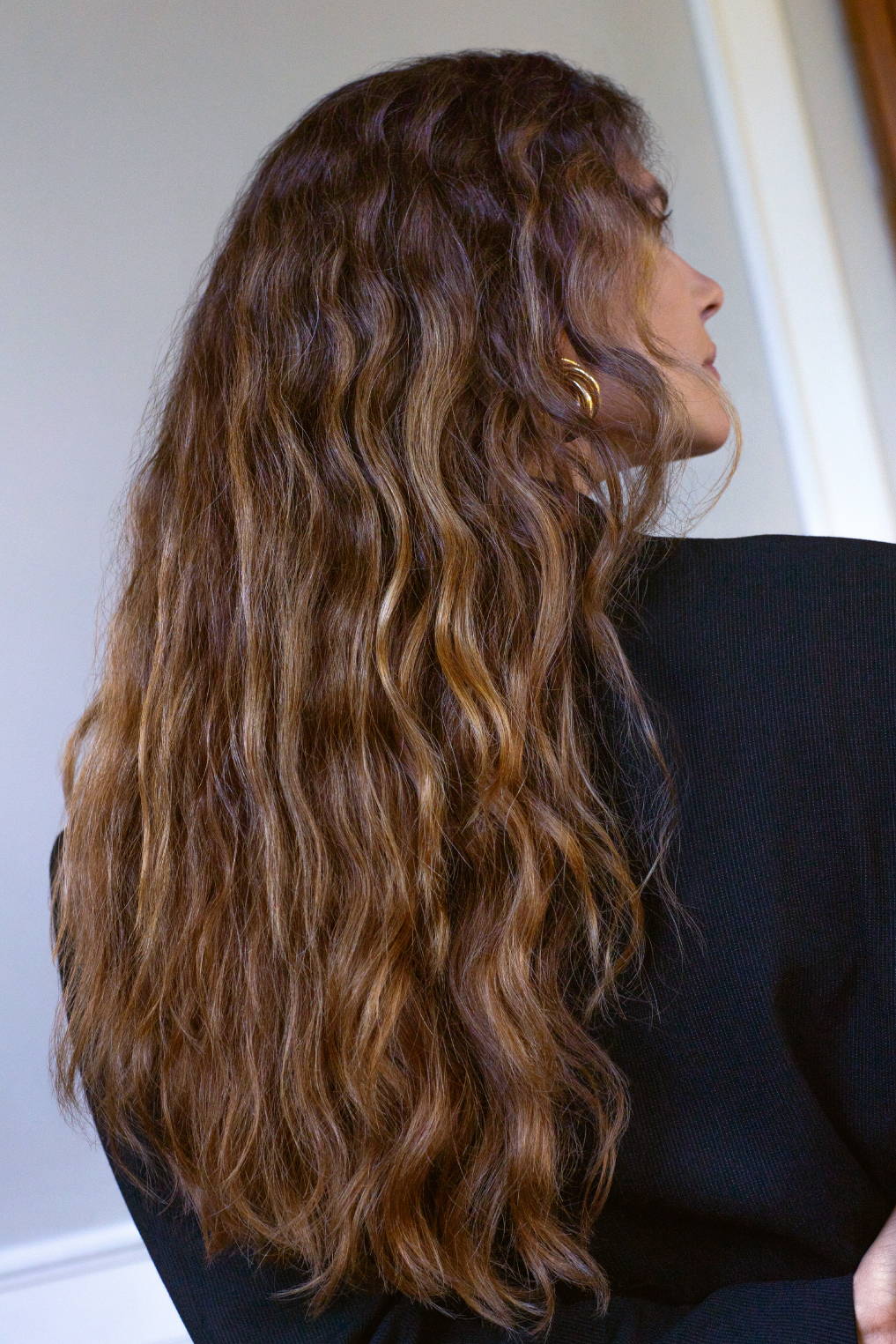
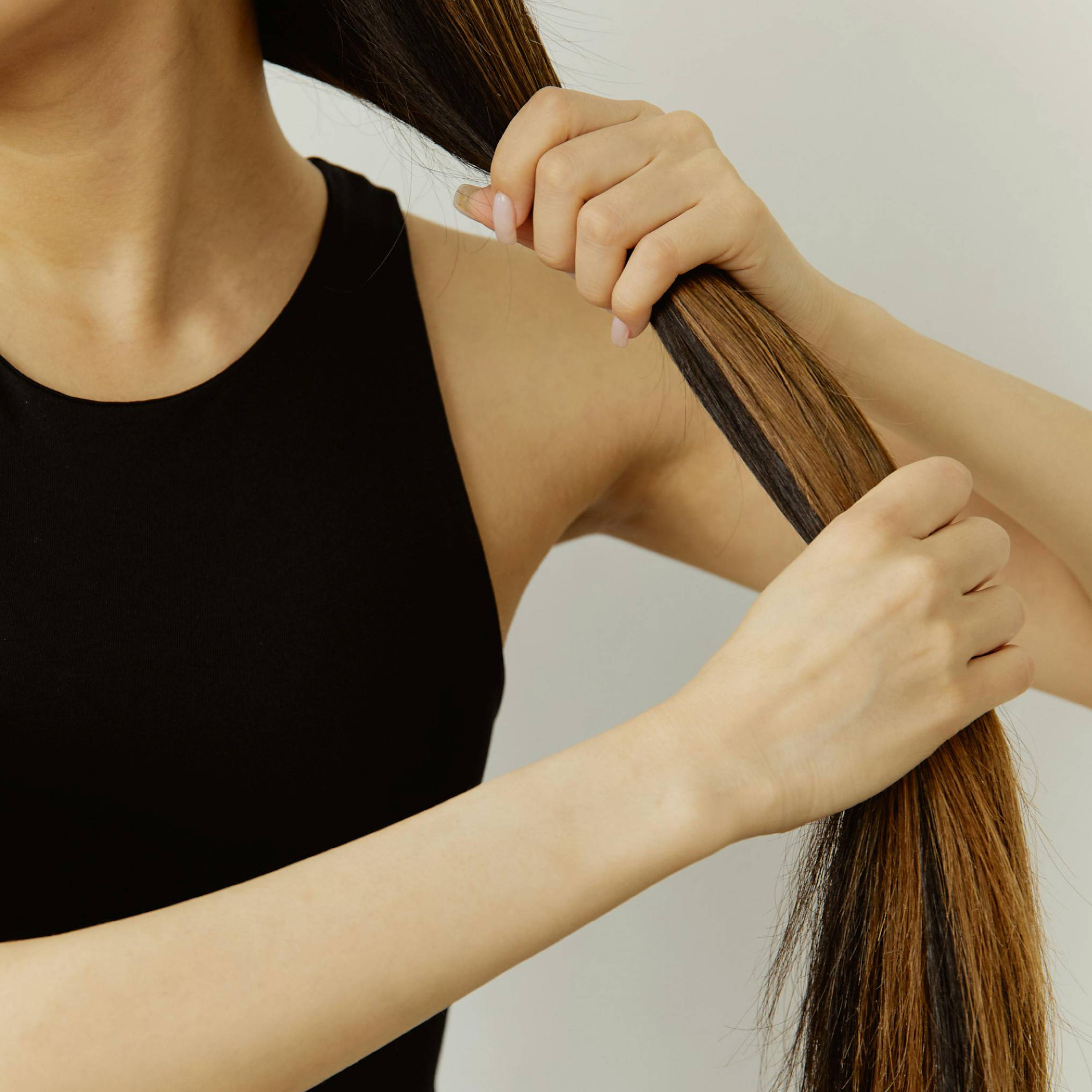
Silicones are used in hair care products to promote smoothness, shine and manageability. They work especially well on fine, dry and curly hair to smooth and help with frizziness. They create a protective layer around your curls and block frizz-inducing moisture and humidity for more manageable curly hair, so why is silicone bad for your hair?
Why Silicone Might Be Bad for Your Hair
This silicone protective layer also blocks moisture and nourishing ingredients from getting into the hair. Over time this weighs down the hair, making it feel heavy and greasy, weakening follicles and leaving hair dry, dull and prone to breakage. This is especially detrimental to people with chemically treated hair. If your hair is bleached or permed, avoid silicones at all costs and check our guide on perms and hair health for more tips.
Labels to Look Out For in Hair Products
So now you know you should stay away from hair products with silicone, but finding them on an ingredient label isn’t always easy. In many cases, silicones aren’t labeled as ‘silicones’.
There are three types of silicones used in hair products:
- Water-soluble
- Non-soluble
- Evaporating (sometimes referred to as volatile)
They're all added for a similar purpose and this is how you can spot them. Look for the ‘PEG’ prefix for water-soluble silicones, such as dimethicone PEG-8 phosphate and PEG-7 amodimethicone. For water-insoluble silicones, look for ‘cone’ at the end of the ingredient name, such as dimethicone, dimethiconol, stearyl dimethicone, cetyl dimethicone. Volatile silicones include cyclomethicone, cyclopentasiloxane and cyclomethicone. The higher up on the ingredients list these are, the greater the concentration of silicones in the formula.
Silicone-Free Product Alternatives
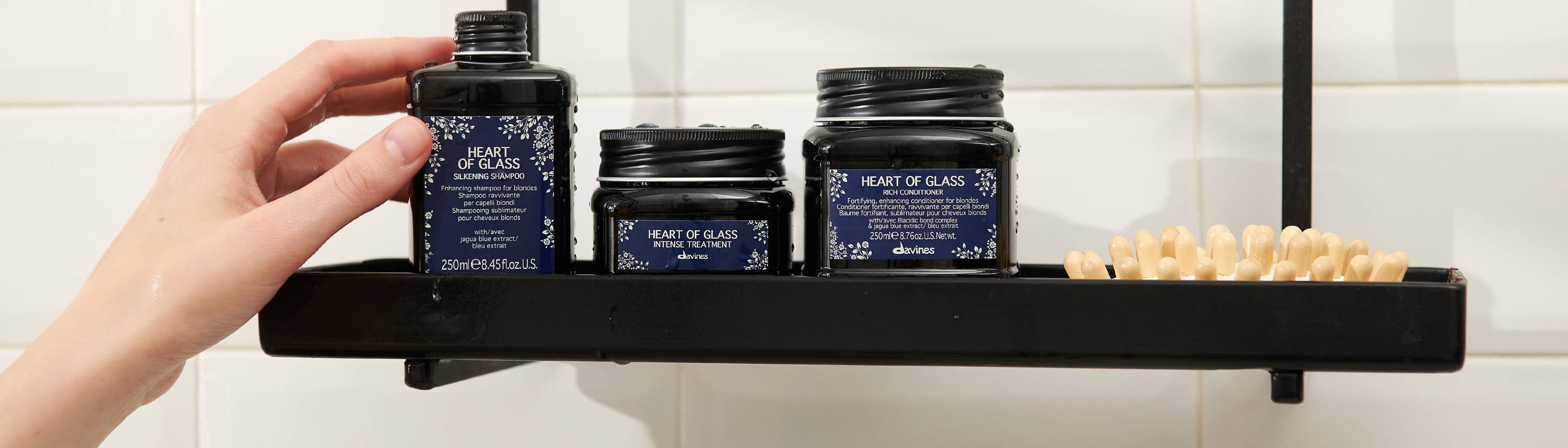
Davines offers lots of high-quality silicone-free alternatives for your hair care routine starting with the Silkening Shampoo, from the Heart of Glass line. This silicone-free shampoo gently cleanses and clarifies, providing nourishment to both natural and color-treated- hair. Another silicone-free treatment is Intense Treatment, a conditioner from the same line featuring a Biacidzic bond complex and Baobab extract to strengthen and prevent breakage, for healthy hydrated strands.
Silicone and Your Hair
So to end the debate once and for all, is silicone bad for hair? Over long periods of time, it's not great for it. And some silicones are not easily biodegradable and can contribute to environmental pollution, a big NO if you’re trying to live sustainably. So if you’ve been using products with silicone, it’s time to switch to silicone-free alternatives. Rid your strands of any silicone residue by washing with a clarifying shampoo, like Solu from the Essential Haircare line, to strip any stubborn buildup. Then add moisture back into your thirsty hair with a hair conditioning treatment like Renewing from the Naturaltech line. Once your hair is squeaky clean, you can begin your silicone-free journey with Davines.
FAQ
Is silicone bad for your hair?
The answer here is two-fold. Silicone isn’t inherently bad for your hair, but over time it builds up, weighing hair down and blocking moisture, eventually leading to breakage. You don’t ever want breakage, so over time, yes, silicone is bad for your hair.
Do silicones actually damage hair?
Yes and no. While silicones don’t directly damage hair, they sit on your strands, blocking moisture and putting tension on the follicles. This weakens the hair, making it more susceptible to damage
Is it better to use silicone-free hair products?
Stick to silicone-free hair products in your hair care routine. While they can be beneficial for curly, fine or frizzy hair temporarily, products with silicones build up on your hair and ultimately lead to dryness and damage.
Which is worse for hair, sulfate or silicone?
Sulfates and silicone are both less than ideal for the health of your hair; which is worse depends on your strands and their condition. Sulfates strip your hair’s moisture and are incredibly drying, while silicones build-up on your hair, blocking hydration and stressing out your follicles.
Should fine hair avoid silicone?
Yes, people with fine hair should absolutely avoid products with silicone. The potential for buildup on fine hair, weighing it down and making it look flat and greasy is too high to even risk the short term benefits. Plus, some silicones are not water-soluble, making them difficult to remove, leading to even more buildup.
Why do people avoid silicone in hair products?
Many people avoid silicone because it creates a barrier preventing moisture and nutrients from penetrating the hair, leading to dryness and damage. Over time, this makes hair look greasy and dull, even contributing to scalp issues.
Treat Yourself
Ready for a new look? Visit your local Davines salon and get personalized care from our Professional Stylists.
You Might Also Like...

by Jaclyn LaBadia, featured contributor
Disco Hair Guide: The Best 70s Hairstyles for Women Discover disco hair and iconic 70s hairstyles women love. Learn easy...
by Jaclyn LaBadia, featured contributor
What is the Color Melt Hair Technique? Discover the color melt hair technique, how it creates seamless color, and how...
by Jaclyn LaBadia, featured contributor
Diamond Face Shape Hairstyles for Men and Women Discover the most flattering diamond face shape hairstyles for men and women,...
Leave a comment
Comments will be approved before showing up.