

 Shop Now Fall FavoritesWelcome the new season with stylist-approved haircare









6 Steps To Protect Your Hair Against Chlorine When Swimming
Updated on June 26, 2026 | 3 min read
Lauren Hannel, Davines Writer
Taking a dip in the pool? A favorite summer pastime. Dealing with keeping your hair soft and stress-free after a swim in a chlorine pool? Not so much.
If you plan to spend your summer swimming, caring for your strands is part of a healthy warm-weather hair care routine — and it doesn’t have to be complicated! Here’s a breakdown of chlorine’s chemical reaction with your hair, plus six easy steps to protect and restore your strands all summer long.
Key Takeaways
How to Protect Your Hair from Chlorine
- Chlorine in pool water can damage hair strands, leaving hair feeling and looking dry, dull, and brittle.
- If you plan to swim in chlorinated water, a few preventive and restorative steps can help protect and refresh hair after a summer of swimming.
- Whether you have color-treated hair or natural locks, protecting your hair from chlorine in pool water is essential for healthy, happy hair.
In This Article
What Does Chlorine Do to Hair?
Build a Barrier Before You Swim
Restore Strands After Swimming
Final Thoughts on How To Protect Your Hair Against Chlorine
What Does Chlorine Do to Hair?
You know your hair’s not the happiest after a swim in a chlorine-filtered pool, but what’s going on? What actually happens when chlorine meets your hair? Here are some of the most common effects chlorine can have on your hair:
- Strips sebum and dries out hair: Chlorine may be great at disinfecting and removing contaminants from a pool, but that strong stripping effect can be bad news for your strands and scalp. Chlorinated water can strip away excessive amounts of sebum, a naturally occurring oil that protects hair and scalp from moisture loss. This can leave you with dry, frizzy, and potentially damaged hair.
- Causes brittleness or breakage: Swimming in pool water (and even salt water) weakens the structural integrity and bonds in hair fibers, leaving the hair cuticle weak and exposed. As a result, brittle, dry, and highly porous strands can lead to damage, breakage, split ends, and even hair loss over time.
- Turns hair green: Those with blonde hair may have an extra reason to be cautious around swimming pools — chlorine can leave blonde hair looking green. But it turns out this isn’t entirely the fault of chlorine. Copper is commonly found in pool water, and when bonded with chlorine, it forms a film that adheres to hair proteins, causing green hair. (If you’re spending a lot of time in the sun or water, check out our blog post on how to get rid of brassy hair to ensure your blonde strands look their best all season long!)
- Reacts with UV rays: You know how important it is to lather on sunscreen and wear sunglasses to protect your skin and eyes from damaging UV rays? The sun can be just as bad for your hair. And the damage and weakening that can come from exposure to chlorine also means that your hair becomes more susceptible to damage from UV rays.
- Dissolves hair color and highlights: As an oxidizing bleaching agent, chlorine can strip dye from hair, fading color and pulling out essential moisture, meaning you’ll need more frequent color appointments to fix faded color if you’re not careful.
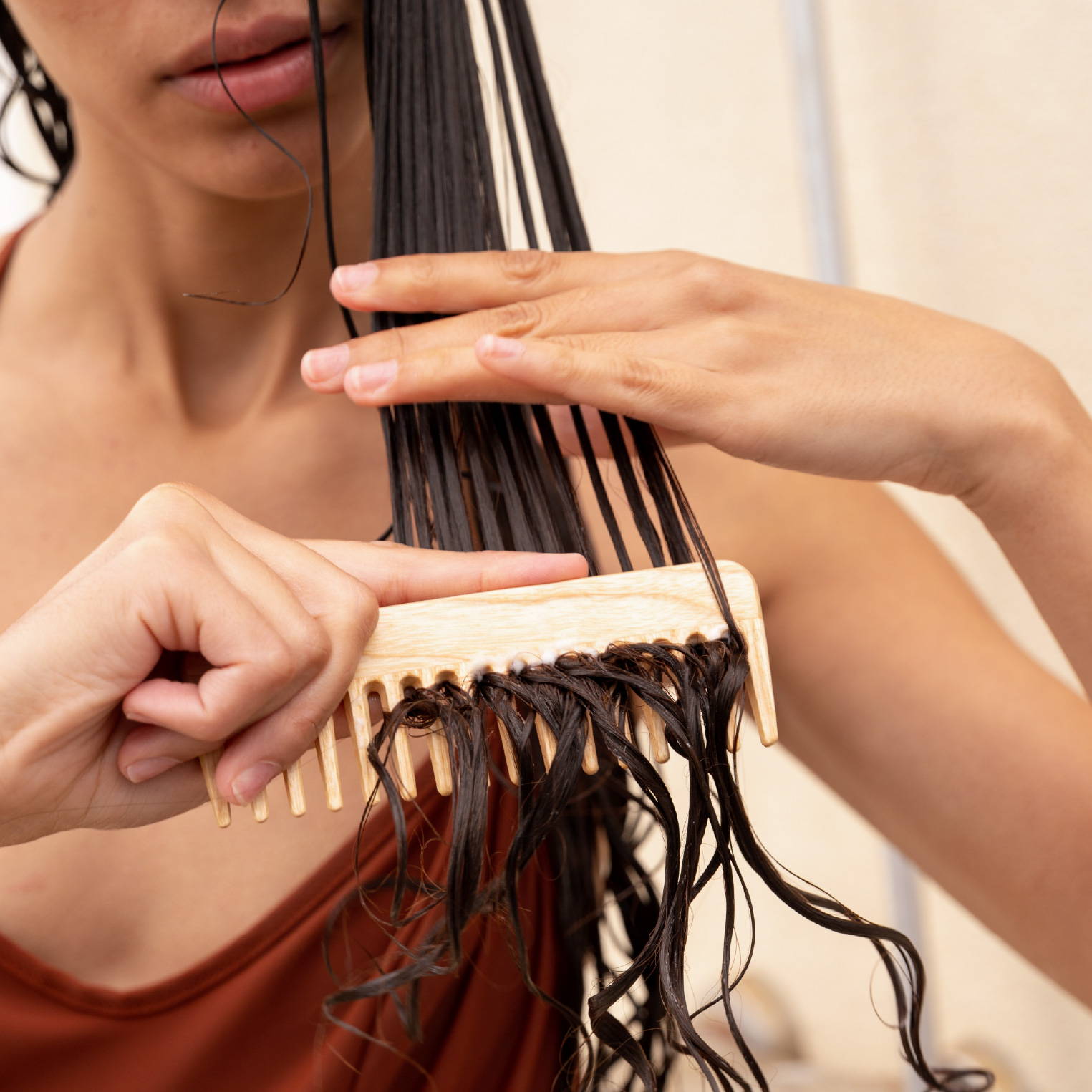
Build a Barrier Before You Swim
If you’re wondering, “What should I do to protect my hair before swimming?” you’re not alone! You can still enjoy this seasonal pastime as much as you’d like — there are just a few adjustments you can make to your routine to ensure your hair is as prepped as possible.
After rounding up your sunscreen, swimsuit, and towel, follow these three steps before hitting the swimming pool to make sure your hair is properly protected from chlorine.
Use a Swimming Cap
If you want to keep your hair dry and protect it from chlorine, invest in a swim cap. This is an effective way to protect your hair from chlorine, tangles, breakage, and sun damage by keeping it secure and dry throughout your swim.
Soak Hair in Fresh Water
No silicone cap? No problem. The easiest way to avoid soaking up chlorinated pool water is to wet your hair before you jump in! Saturating your hair with fresh water makes it less absorbent than dry hair. This helps prevent your strands from soaking up additional pool water, protecting them from damage.
Create a Protective Barrier
Applying natural oils like olive oil, argan oil, coconut oil, or another nourishing hair oil before your next swim helps form a protective barrier that prevents damaged hair from chlorine. This is because oil and water don’t mix, so the natural oils help repel water and, by default, chlorine.
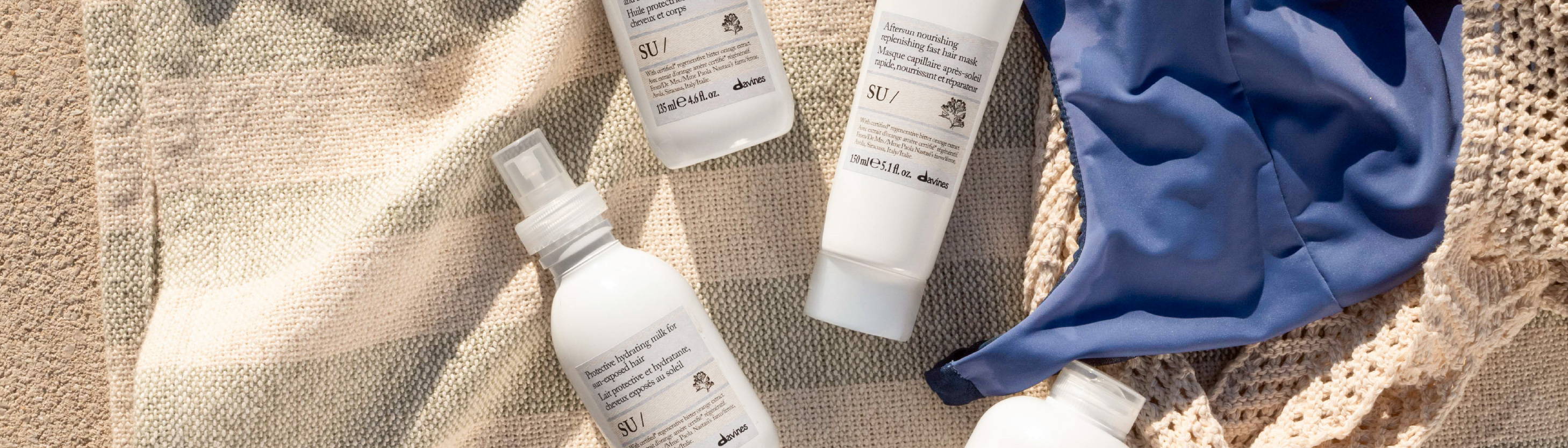
Similarly, deep conditioning treatments or hair milk can help seal the cuticle and form a protective barrier against chlorine and damage. These nourishing oils and milks are also great for overall hair health, so you’re actively working toward healthier, shinier strands at the same time. We call that a win-win!

Restore Strands After Swimming
Even with the previously mentioned precautions, there are still some additional steps you can take post-swimming to ensure chlorine won’t damage your hair.
Wash Hair With a Clarifying Shampoo
The first step post-pool should be a quick rinse with clean water, followed by a clarifying or deep cleansing shampoo. Water helps rinse out surface-level chemicals (instead of letting chlorine sit and soak further into your strands), while a clarifying shampoo helps remove stubborn chlorine deposits. These shampoos are also great for removing any additional residue or product buildup that may have been weighing your hair down.
Dry Hair Gently
Chlorine can make your hair more susceptible to damage and breakage, so it's especially important to be gentle with your hair after a swim. Microfiber towels are kinder to strands because they absorb excess water without being as rough as traditional cotton towels. Be sure to detangle your hair carefully with a comb, and always use a heat protectant spray if you plan to style your hair afterward.
Use a Leave-In Conditioner or Hair Mask
Every hair type can benefit from a deep conditioner or a weekly leave-in hair mask treatment, and this is especially true for hair exposed to chlorinated pools. After showering with your clarifying shampoo, apply a deep conditioning mask to your strands. This will help restore lost moisture, hydrating and giving softness and movement back to strands after chlorine dries them out.
Final Thoughts on How To Protect Your Hair Against Chlorine
Summer is all about finding time to unwind, so the last thing you need is to worry about hair damage every time you enjoy a few laps in the pool. Start by wetting your hair with freshwater or a protective hair oil before your next swim — or just make it easy on yourself by wearing a protective swim cap.
Make sure your post-swim routine includes a clarifying shampoo to strip away any residual chlorine deposits, a restorative conditioning treatment, and a hair mask to restore essential moisture and nutrients to your strands.
Keep these tips in mind the next time you take a dip in the pool, and you’ll significantly decrease your chances of chlorine damaging your hair. And since keeping your hair healthy is another great way to protect it against chlorine damage, be sure to read our blog post on healthy hair tips.
If you have any additional tricks that have helped to protect your hair against chlorine damage, be sure to share them in the comments below!

Ready for a New Look?
Visit your local Davines salon for customized color, cuts, and care.
You Might Also Like...


by Jaclyn LaBadia, featured contributor
How To Align Your Hair Treatments With Your Hair Growth Cycles Understanding your hair growth cycle is one of the...
by Jaclyn LaBadia, featured contributor
Your product toolkit for frizzy hair If you have naturally frizzy hair, you’ll know how frustrating it can be. The...
by Jaclyn LaBadia, featured contributor
Post-Summer Hair SOS: Davines Autumn Hair Care Favorites Learn about the best tips and haircare products to help you gently...
1 Comment
1 Response
Cynthia Spivey
November 29, 2023
Great advice
Leave a comment
Comments will be approved before showing up.