
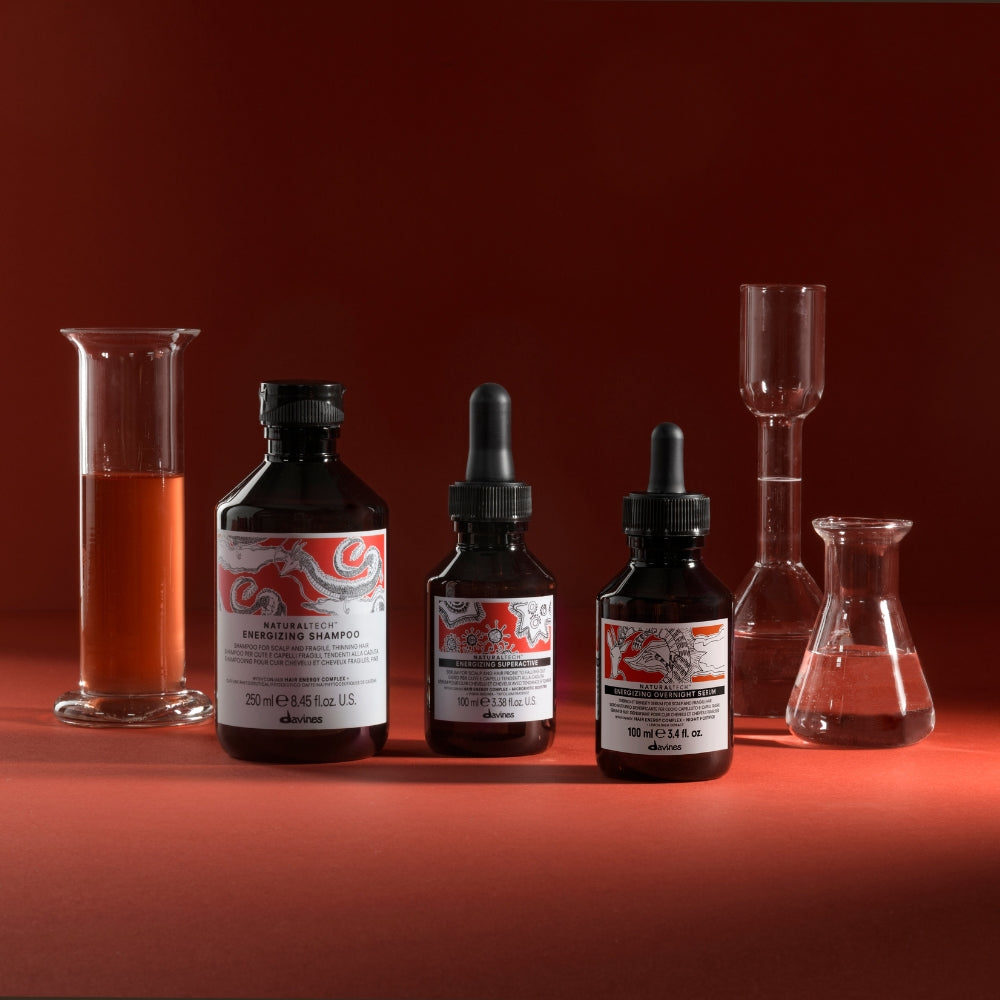
 Shop Now Your New Nighttime HeroMeet the ENERGIZING Overnight Serum: restore strength and vitality as you sleep









Reverse Balayage: The Low-Maintenance Way to Go Darker
Reverse balayage adds depth back to blonde hair for a dimensional, low-maintenance look. Learn how it works, who it suits, and how to care for it.
Updated on October 20, 2026 | 3 min read
Jaclyn LaBadia, Davines Writer
If you’re blonde and looking to go darker, but not ready to go full brunette, a reverse balayage is an effortless way to transition. A color technique for adding depth and dimension to light hair, it’s low maintenance, and incredibly chic. Ready to cross over to the dark side? Here's everything you need to know about the trend.
Key Takeaways
- Reverse balayage adds darker tones back into lightened hair instead of adding more blonde.
- It creates dimension, depth, and a softer grow-out for blondes ready for a change.
- The technique typically uses demi-permanent color, so it is gentler than lightening.
- Expect a rooted, lived-in result that lasts roughly 8-12 weeks before a refresh.
- Color-protecting and toning care keeps the new depth from fading warm.
In This Article
What Is a Reverse Balayage?
Reverse Balayage Before and After: What to Expect
Going From Light to Dark: Who Should Try It
What Happens at the Salon
How to Care for a Reverse Balayage
FAQs
What Is a Reverse Balayage?
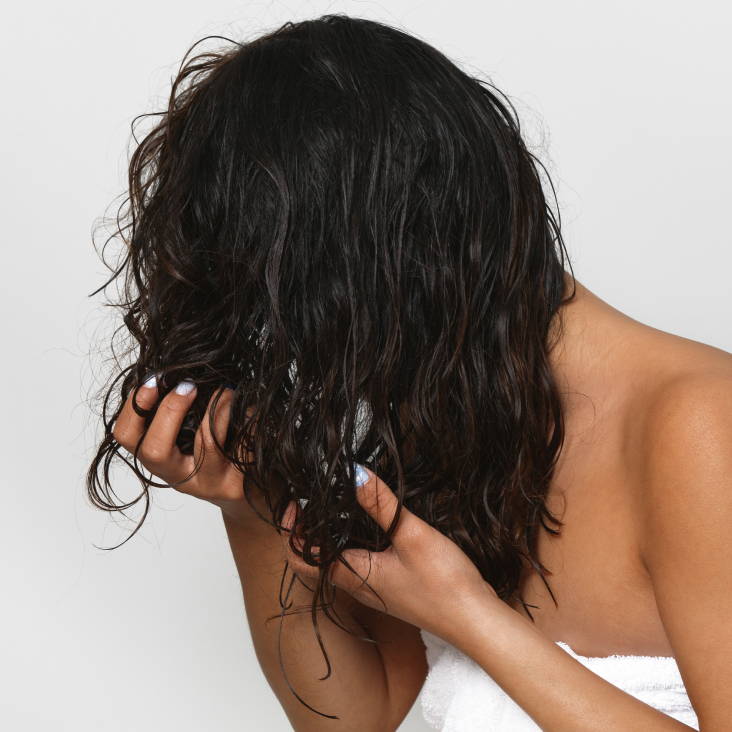
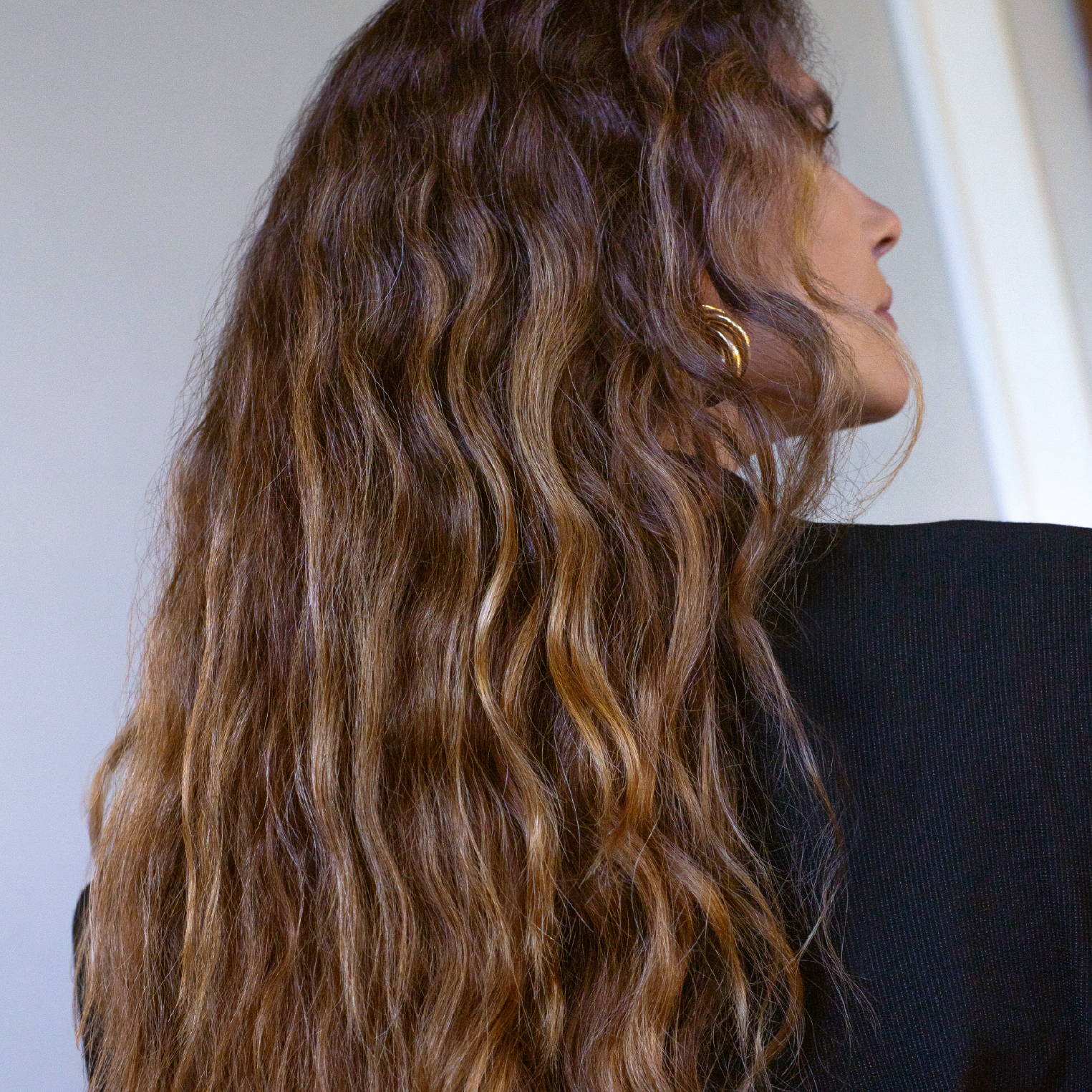
A reverse balayage is a trendy new color technique that adds depth and dimension to previously highlighted or light hair. The process involves hand-painting lowlights and darker tones through the mid-lengths and ends, for a multi-dimensional, lived-in look. It’s a low-maintenance option for blondes who want to shift deeper. With lighter roots blending into darker strands, and a root smudge at the top to blur old highlight lines and create a seamless grow-out phase, a reverse balayage is an effortless, lived-in look.
Reverse Balayage vs. Traditional Balayage
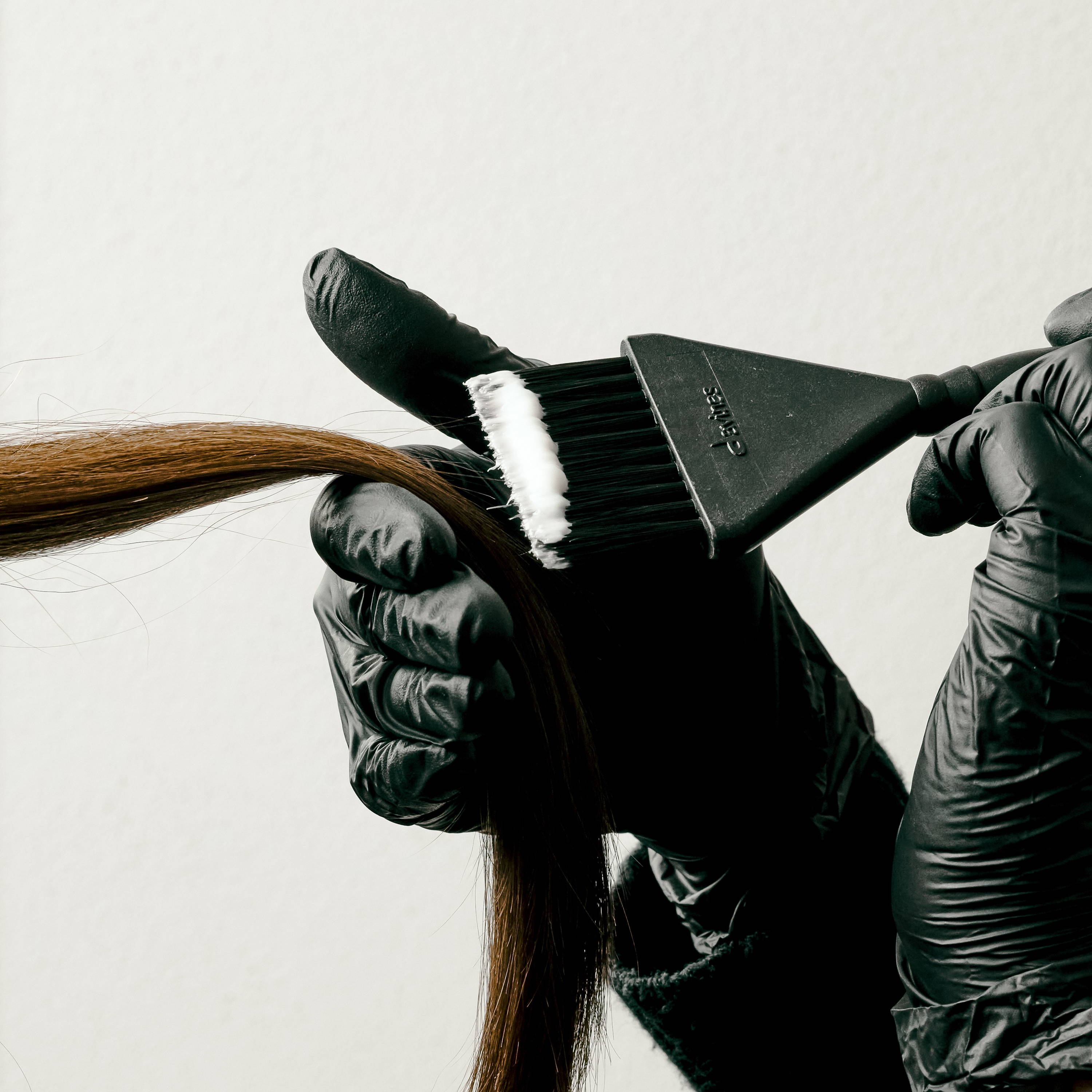
Like the name implies, a reverse balayage is the opposite of a balayage. Instead of brightening dark hair with highlights, a reverse balayage uses lowlights to darken light hair. Both ways use the same free-hand painting technique, but the color products and placement differ. Instead of using bleach to transition from dark roots to lighter ends, a reverse balayage uses a demi-permanent color to transition from dark ends to lighter roots. So the process is less damaging than a traditional balayage. In terms of balayage vs. ombre, think of it as a reverse ombre, where the tone blends gradually from dark to light, with lowlights and under-layers, rather than highlights and top layers.
Reverse Balayage Before and After: What to Expect
A reverse balayage adds darker tones and lowlights into solid blonde, over-highlighted, or brassy hair. It adds depth and dimension to flat, dull color and erases any harsh lines of demarcation where your natural dark roots meet lighter lengths. It restores dark pigment and gives lightened hair a shinier, glossier finish. Typical reverse balayage before and after transformations include going from solid platinum to dimensional bronde and grown-out highlights to blended lived-in color. It's a low-maintenance color technique that grows out effortlessly, with minimal upkeep. You can expect a rooted, lived-in result that lasts roughly 8-12 weeks before a refresh.
Going From Light to Dark: Who Should Try It
Since a reverse balayage is light to dark, you need some existing lightness in your base color to get the true effect of the process. This means a very dark brown or black base won't work, unless strands are lightened first. Any shade lighter than medium brown is ideal for a reverse balayage, with the best candidates being:
- over-lightened blondes
- brondes, strawberry blondes and light brunettes looking to break up their color
- blondes who want to add depth and dimension
- blondes who want to embrace a darker hue
- anyone chasing lower maintenance or gentler color alternatives
- those transitioning back to their natural base
What Happens at the Salon
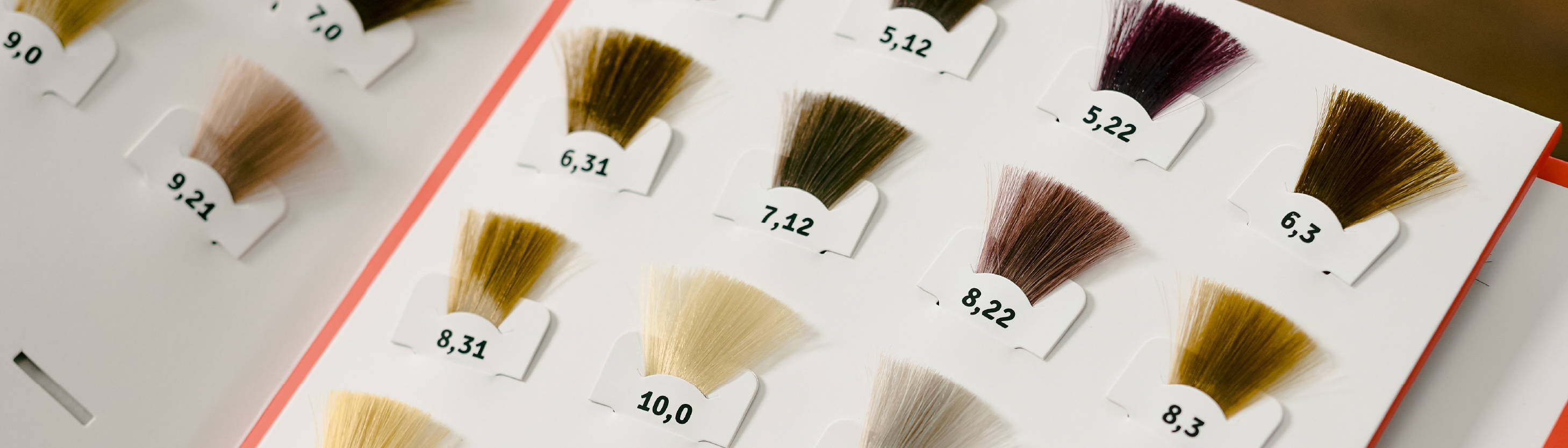
Your color appointment starts with a consultation. A reverse balayage has lots of room for interpretation, so this is the time to be clear with your colorist about how dark you want your lowlights versus the lightness of your base. Come prepared with reference photos- at least two. Choose people with similar skin tones so you’ll have an honest idea of how your desired hues will look. From there, you and your colorist will decide on the colors of your reverse balayage. If your starting base is darker than what you want, it will require bleaching as a first step. Next comes sectioned lowlight painting, where your colorist strategically paints darker tones through your mid-lengths and ends, blended in a controlled upward motion, with a root melt. The final step is a toner or gloss to seal in color and add shine. The whole process typically takes less than a full highlight service, but varies depending on color-correction needs. Expect to be there for about 1 to 3 hours, depending on your hair length and thickness.
“
WHAT THE PROS ARE SAYING:
We're Gifting You A Salon Experience!
Ready for your new look? Receive a rebate for $50 toward your next Davines salon haircare or color service.
How to Care for a Reverse Balayage
Maintaining your reverse balayage in between color appointments is relatively low-key. But fresh lowlights can fade fast if you don’t care for them properly. So just like with maintaining balayage, there are some non-negotiables when it comes to your color-treated hair. Start with a color-safe washing and toning routine to keep your lowlights from turning brassy. Wash your hair no more than 2-3 times a week, using cool water and a color-protective shampoo, to preserve your hues and remove dulling hard-water residue. Improper washing (washing daily, using harsh shampoo, keeping the water temperature too high) is the fastest way to strip the color from your hair.
COLOR PROTECT
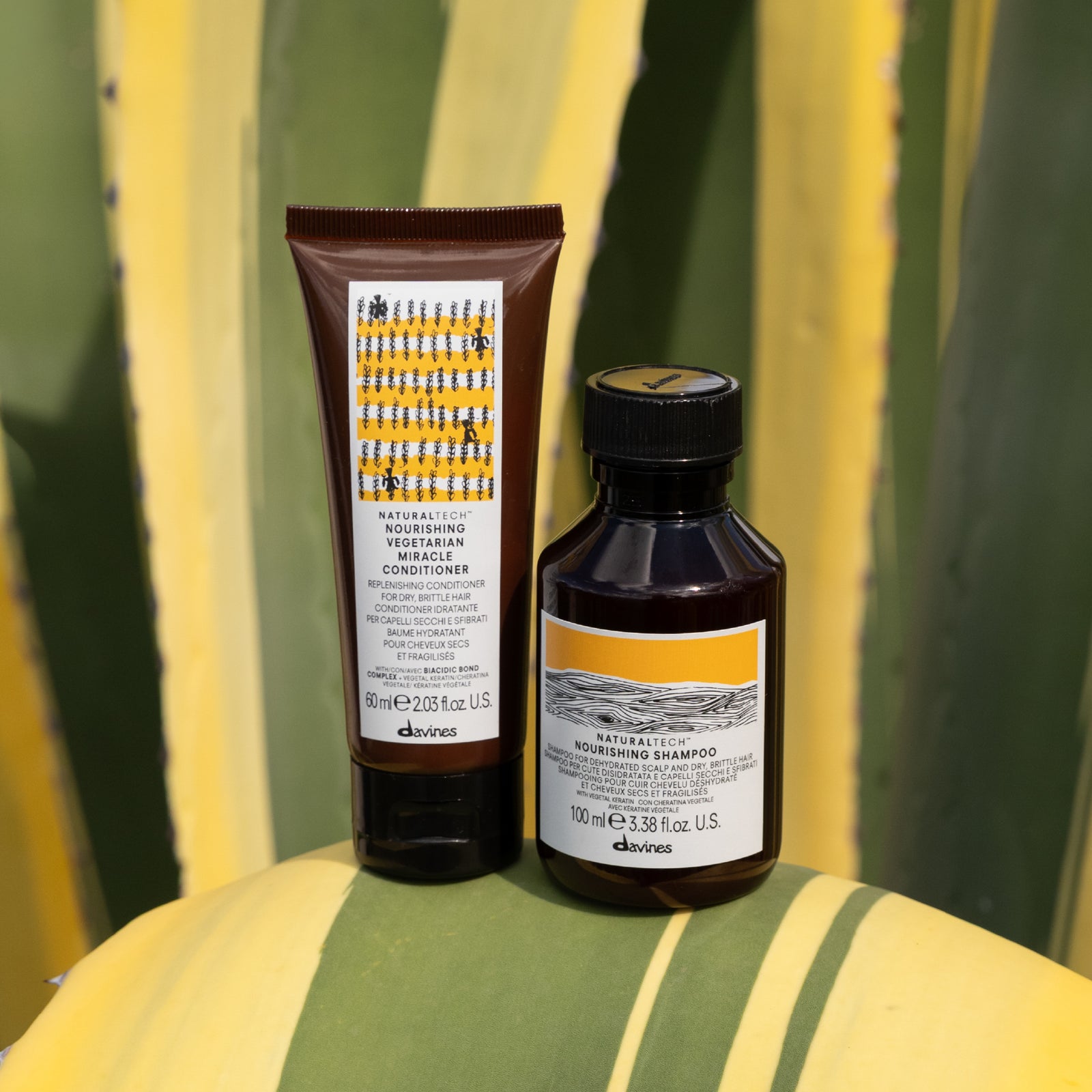
Fresh lowlights fade fast without color-safe cleansing. The regenerative green coffee extract in MINU/ shampoo shields hair from oxidative stress. This illuminating, color-protective shampoo preserves vibrancy with each wash and removes dulling hard-water residue, maintaining vibrant color up to 4 weeks with the full MINU/ routine.
How to: Use as the everyday shampoo after a reverse balayage service, lathering gently and rinsing cool to seal the cuticle.
Follow every shampoo with a color-safe conditioner, rinsing with cold water to seal your cuticles, maintain vibrancy and keep your lowlights glossy. A weekly pigment boost with a toning conditioner keeps your depth rich and cool between salon visits, and regular deep conditioning with a hair mask keeps your strands shiny and strong. Finally, limit your heat styling, keeping your tools on low and using heat protection before you do.
FAQs
What is a reverse balayage?
A reverse balayage is a color technique that adds depth and dimension to previously highlighted or light hair. The process involves hand-painting lowlights and darker tones through the mid-lengths and ends, for a multi-dimensional, lived-in look.
What is the difference between a full balayage and a reverse balayage?
The short answer is that a full balayage adds brightness, and a reverse balayage adds darkness. Both techniques use the same free-hand painting technique, but the color products and placement differ. A reverse balayage uses a demi-permanent color to transition from dark ends to lighter roots, so it’s less damaging than a full balayage, which uses bleach to transition from dark roots to lighter ends.
Is a reverse balayage more expensive?
A reverse balayage is generally comparable in price or less than a full balayage. Because a reverse requires fewer chemicals and less processing time, salons often charge less than a full lightening session. Of course, the actual cost of any color service depends on the salon, colorist, hair type, and color correcting services.
What hair colors work best with reverse balayage?
In order to get the true effect of a reverse balayage, the hair colors that work best are ones with some existing lightness in the base. Any shade lighter than medium brown works for a reverse balayage, with blonde being ideal. A very dark brown or black base can work if strands are lightened first.
How long does a reverse balayage last?
A reverse balayage is a low-maintenance color option that uses lowlights and a root melt for an effortless grow-out, and a blurred line of demarcation. With proper color care, including a color-safe washing and toning routine, regular deep conditioning and heat protection, your color can last for up to 12 weeks before needing a refresh.
Ready for a New Look?
Visit your local Davines salon for customized color, cuts, and care.
You Might Also Like...

by Jaclyn LaBadia, featured contributor
Hair Growth Serum: What to Look For and What Results to Expect What a hair growth serum can really do:...
by Jaclyn LaBadia, featured contributor
Scalp Serum 101: What It Does, Benefits and How to Use It Overnight What does a scalp serum do? Learn...
by Jaclyn LaBadia, featured contributor
Daily wash dilemma: should you shampoo every day? Washing your hair and scalp is as important as washing the rest...
Leave a comment
Comments will be approved before showing up.