

 Shop Now Your New Nighttime HeroMeet the ENERGIZING Overnight Serum: restore strength and vitality as you sleep














4A Hair: The Complete Guide to Caring for Your Curls
Learn what 4A hair is, how it differs from 3C and 4B curls, and the moisture-first care and styling routine that keeps 4A coils defined and hydrated.
Updated on September 28, 2026 | 3 min read
Jaclyn LaBadia, Davines Writer
Understanding where your curls lie on the curl spectrum is the key to building the right routine for your hair. 4A hair is naturally coily, and while all curly hair requires special care, 4A coils require a little more TLC. We’re breaking down everything to know about 4A hair, including how to identify, care for, and style it - plus the best products to use for hydrated, defined coils.
Key Takeaways
- 4A hair is made of densely packed, springy S-shaped coils about the width of a crochet needle.
- It is the loosest of the type 4 patterns: tighter than 3C, looser and more defined than 4B.
- Moisture is everything; 4A coils are prone to dryness because scalp oils travel slowly down the spiral.
- A consistent wash-condition-define routine keeps coils clumped, bouncy, and frizz free.
- Protective styles and nighttime care preserve definition and reduce breakage between wash days.
In This Article
What Is 4A Hair?
3C vs. 4A Hair: How to Tell the Difference
How to Care for 4A Hair
How to Style 4A Hair
FAQs
What Is 4A Hair?
In the 2A-4C curl type guide, numbers refer to curl families, and letters point to how tightly wound the curls are. Type 4 hair is classified as coily, and split into three different subtypes: 4A, 4B, and 4C, ranging from soft coils to more compact, angular ones. Each has its own characteristics and behaves differently. 4A hair is the loosest of the type 4 patterns, made of densely packed springs and coils. It’s delicate because natural oils have a hard time traveling down the strand, leaving it prone to dryness, shrinkage, and breakage. So 4A hair type needs deep, consistent nourishment and gentle care to support moisture, and honor the integrity of the natural coil pattern.
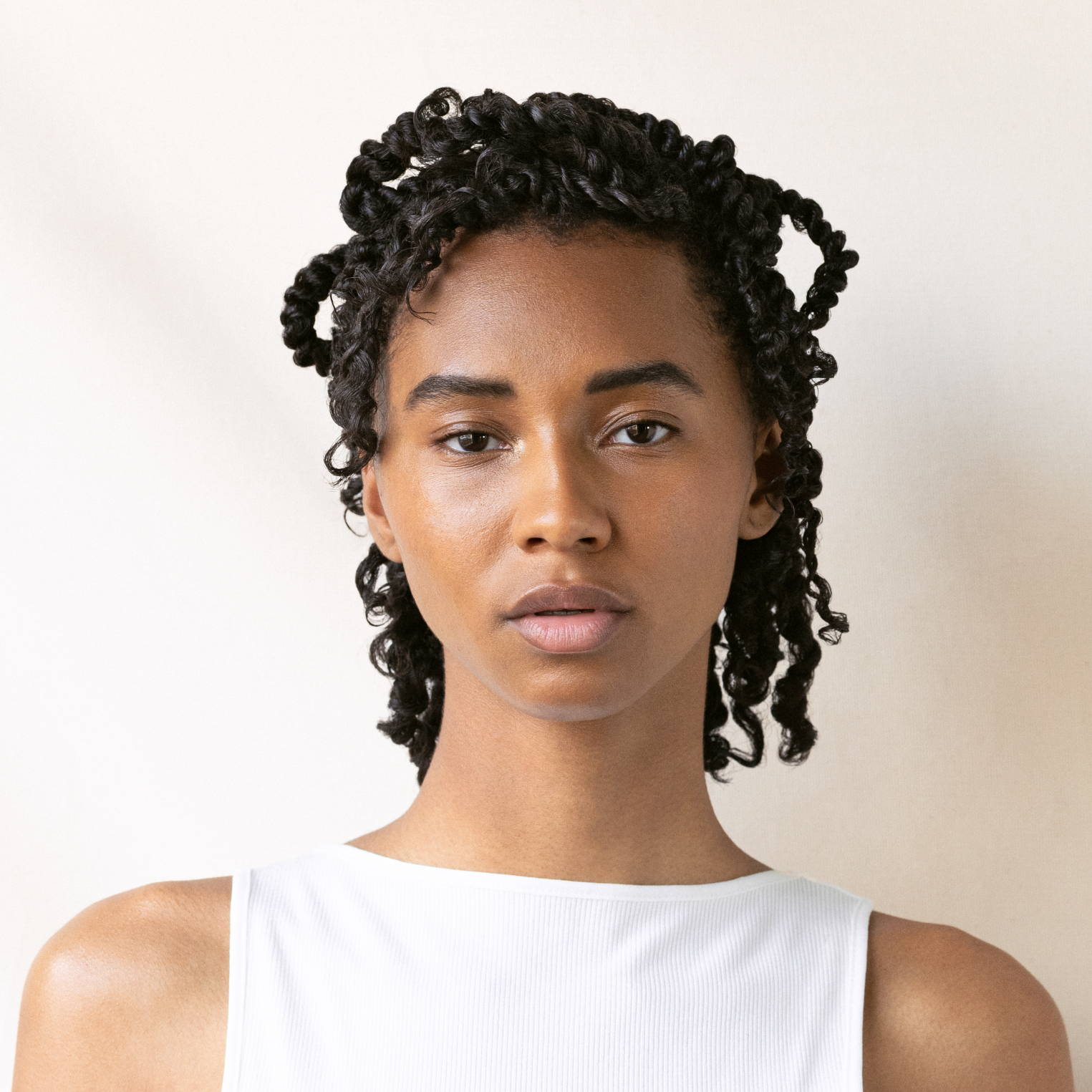
What Does 4A Hair Look Like?
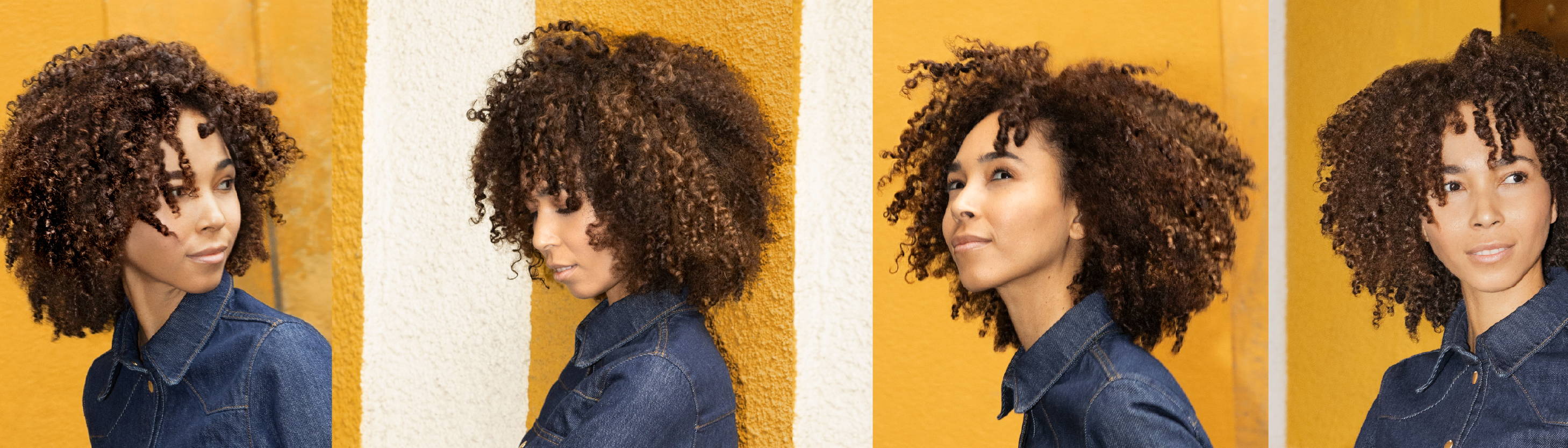
4A hair is characterized by well-defined, springy, S-shaped spirals. Strands are typically fine-to-medium, about the width of a crochet needle, and densely packed. And while 4A coils experience significant shrinkage of up to 75 percent when dry, they don’t shrink as fast as other coily hair types, nor do they tangle as easily. 4A hair also tends to reflect light better than the other 4’s, looking less dull on the surface.
3C vs. 4A Hair: How to Tell the Difference
Distinguishing between 3C/4A hair types can be tricky. They’re similar in appearance, falling right next to each other on the curl spectrum. Although 3’s are categorized as curly, and 4’s as coily. But if you’ve got one type, you’ve likely got some of the other mixed throughout. Differentiating between 3c vs 4a hair comes down to a few different factors. 3C curls have a wider circumference than 4A -typically the size of a pencil versus a crochet needle. 3C curls aren’t as tightly packed as 4A. They’re bouncier, experience less shrinkage and tend to be shinier. And as far as styling goes, 3C is easier to work with than 4C hair.
4A vs. 4B and 4C Hair
Understanding your type 4 coily hair and how it differentiates from the others is a must when it comes to caring for and styling your curls. 4A hair features tight, springy, S-shaped coils, about the size of a crochet needle. The pattern is distinct and visible. 4A types experience noticeable shrinkage, but coils still maintain a clear spiral.
The next type, 4B hair, is characterized by sharp, angular Z- shaped bends that are fluffier and less defined than 4A. 4B shrinks significantly more, appearing visibly shorter when stretched, and drying out faster because of the sharp Z pattern.
And finally, there’s 4C hair, which consists of extremely tight, densely packed coils. With a cotton-like texture, the individual curl pattern of 4C is almost invisible without manipulating the hair. This type experiences the most dramatic shrinkage, and is the driest of all the type 4’s.
How to Care for 4A Hair
Moisture is the focus when it comes to caring for 4A hair. So a core routine of hydrating products, oils and deep conditioning treatments to combat breakage, dryness, and tangles is essential. Cleanse weekly with a gentle, sulfate-free, moisturizing curl shampoo, starting with a pre-poo. This is a protective treatment applied as the first step of your shower routine, usually hair oil, that provides a protective layer to stop your shampoo from stripping away essential moisture. Apply the pre-poo curl treatment generously to soaking-wet hair in sections, smoothing and raking through to clump coils, then proceed with your curl shampoo.
Follow with a hydrating curl conditioner. Next apply your products according to the LOC method, a three-step routine of liquid/leave-in, oil, and cream to maximize moisture retention. Detangle gently after the first step, using the leave-in for slip. Deep condition regularly, use heat protectant with hot tools and use high quality products for frizzy hair to manage frizz and humidity. Preserve your curl definition overnight by sleeping on a silk/satin pillowcase or wearing a sleep bonnet. And finally, maintain the health and integrity of your 4A hair by trimming every 8-12 weeks to remove split ends that can lead to tangling, breakage, and uneven curl patterns.
How to Style 4A Hair
When it comes to styling your 4A coils, focus on working with, not against, shrinkage to maintain healthy hair. This starts with the products you use and how you apply them. Choose curl creams, gels, or lotions made with nourishing oils and butters and apply them in a downward smoothing motion rather than scrunching upwards. This encourages curls to form in a more elongated pattern, helping reduce shrinkage.
Stretching Methods
Stretching techniques like twist-outs, braid-outs or wrapping help to set definition on 4A hair. Apply a curl cream to damp sections, twist or braid the hair tightly, let it dry completely, and unravel for elongated coils. Or section damp hair after applying your curl cream, then wrap hair ties along the length to gently stretch coils as they dry.
Protective Styles
Protect your 4A hair by using low-manipulation styles like flat twists, cornrows, or loose updos to retain length and moisture. But protective styles can be stressful on the hair and scalp, so apply with care wear no longer than six to eight weeks. And keep in mind that even with a protective style, you’ll still need to maintain your hair on a daily/weekly basis. Leaving your braids in without maintenance is counterproductive to wearing a protective style.
4A Hairstyles for Men
When it comes to styling 4A hair on men, our favorite looks include low-tapered fades, sponge twists, tapered afros and defined curl crops. From there, maintaining your coily hair is pretty much the same as with 4A women. Cleanse gently with a sulfate-free shampoo, following with conditioner. Use the LOC method when applying your products, gently detangling after your leave-in. Deep condition regularly, protect when you heat-style, and preserve your coils while you sleep.
FAQs
What does 4A hair type mean?
4A hair is naturally coily hair characterized by well-defined, springy, S-shaped spirals, with fine-to-medium strands, about the width of a crochet needle, and densely packed. 4A coils experience significant shrinkage of up to 75 percent when dry, but they don’t shrink as fast as other coily hair types, nor do they tangle as easily. 4A hair also tends to reflect light and retain moisture better than the other 4’s, looking less dull on the surface.
Am I 3C or 4A?
3C and 4A hair types are similar in appearance. In fact, if you have either type, you likely got some of the other mixed throughout. 3C curls have a wider circumference than 4A -typically the size of a pencil versus a crochet needle. 3C curls aren’t as tightly packed as 4A. They’re bouncier, experience less shrinkage and tend to be shinier. And as far as styling goes, 3C is easier to work with than 4C hair.
Is my hair 4A, 4B, or 4C?
The best way to determine which type 4 hair you have is by looking at the shape of your curls and how they shrink when dry. 4A hair features tight, springy, S-shaped coils, with noticeable shrinkage, but still maintaining a clear spiral. 4B hair is characterized by sharp, angular Z- shaped bends that are less defined, shrinking significantly more, and appearing visibly shorter when stretched. 4C hair consists of extremely tight, densely packed coils, with an almost invisible individual curl pattern and experiences the most dramatic shrinkage.
How often should you wash 4A hair?
To combat the breakage, dryness, and tangles associated with 4A hair, wash no more than once a week. Use a gentle, sulfate-free, moisturizing curl shampoo, starting with a pre-poo to provide a protective layer to stop your shampoo from stripping away essential moisture. Follow with a hydrating curl conditioner, and apply your styling products according to the LOC method, gently detangling after your leave-in.
Does 4A hair need oil?
Yes, 4A hair needs oil because the tight, S-shaped pattern of the coils makes it difficult for your hair's natural oils to travel down the strands, making it incredibly prone to dryness and breakage. Hair oil helps to lock hydration inside the cuticle, add slip to reduce friction and snapping, and smooth the outer layer of the hair to boost shine.

Ready for a New Look?
Visit your local Davines salon for customized color, cuts, and care.
You Might Also Like...

by Jaclyn LaBadia, featured contributor
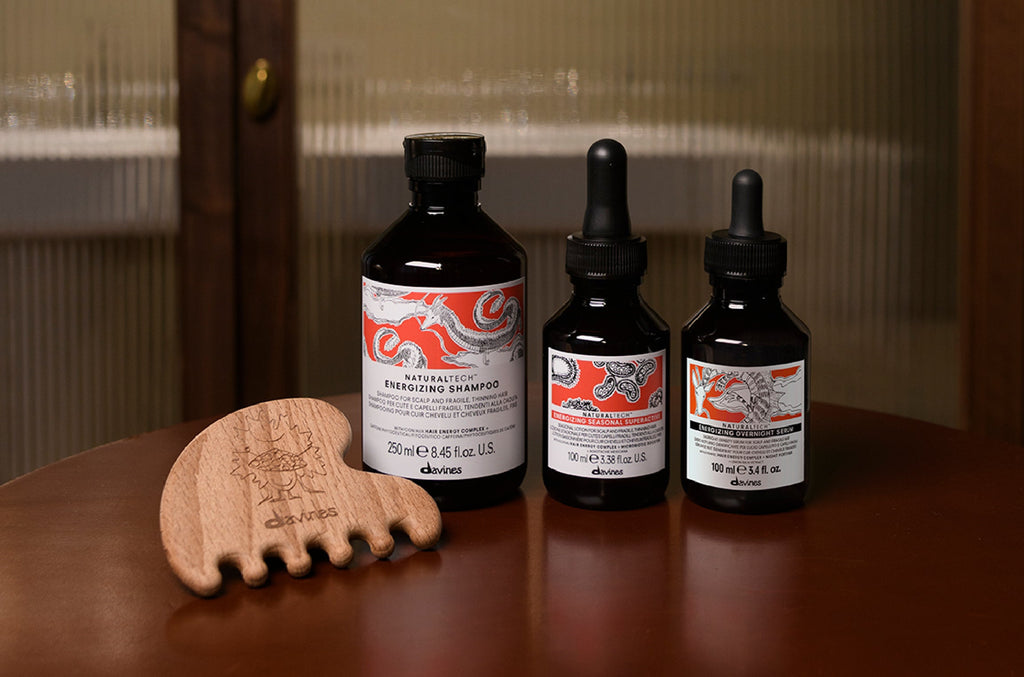
Hair Growth Serum: What to Look For and What Results to Expect What a hair growth serum can really do:...
by Jaclyn LaBadia, featured contributor
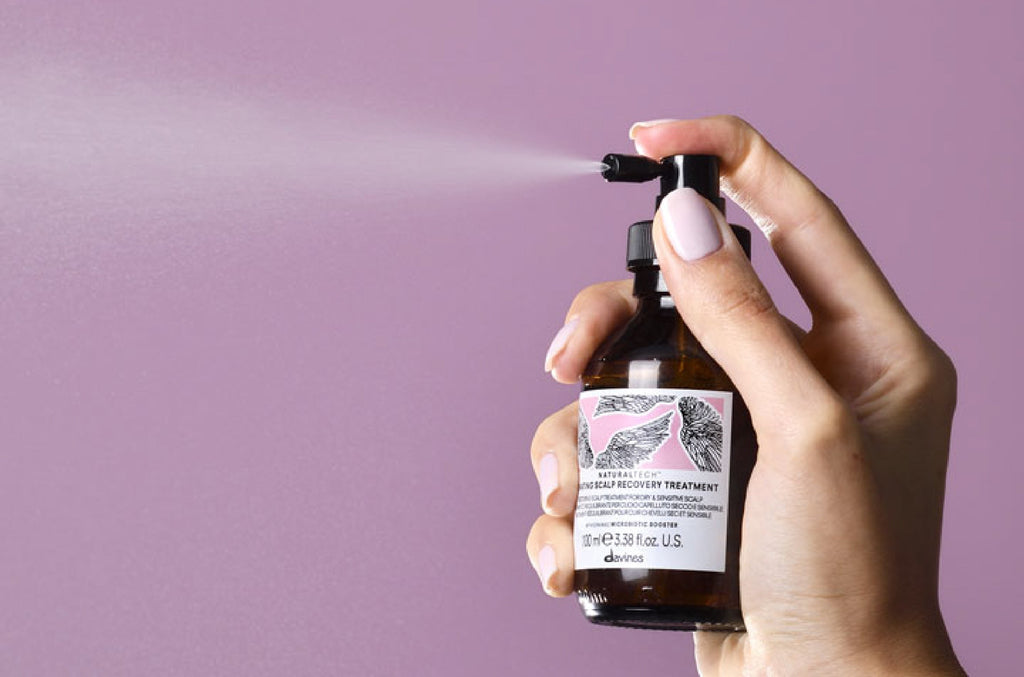
Scalp Serum 101: What It Does, Benefits and How to Use It Overnight What does a scalp serum do? Learn...
by Jaclyn LaBadia, featured contributor
Daily wash dilemma: should you shampoo every day? Washing your hair and scalp is as important as washing the rest...
Leave a comment
Comments will be approved before showing up.