
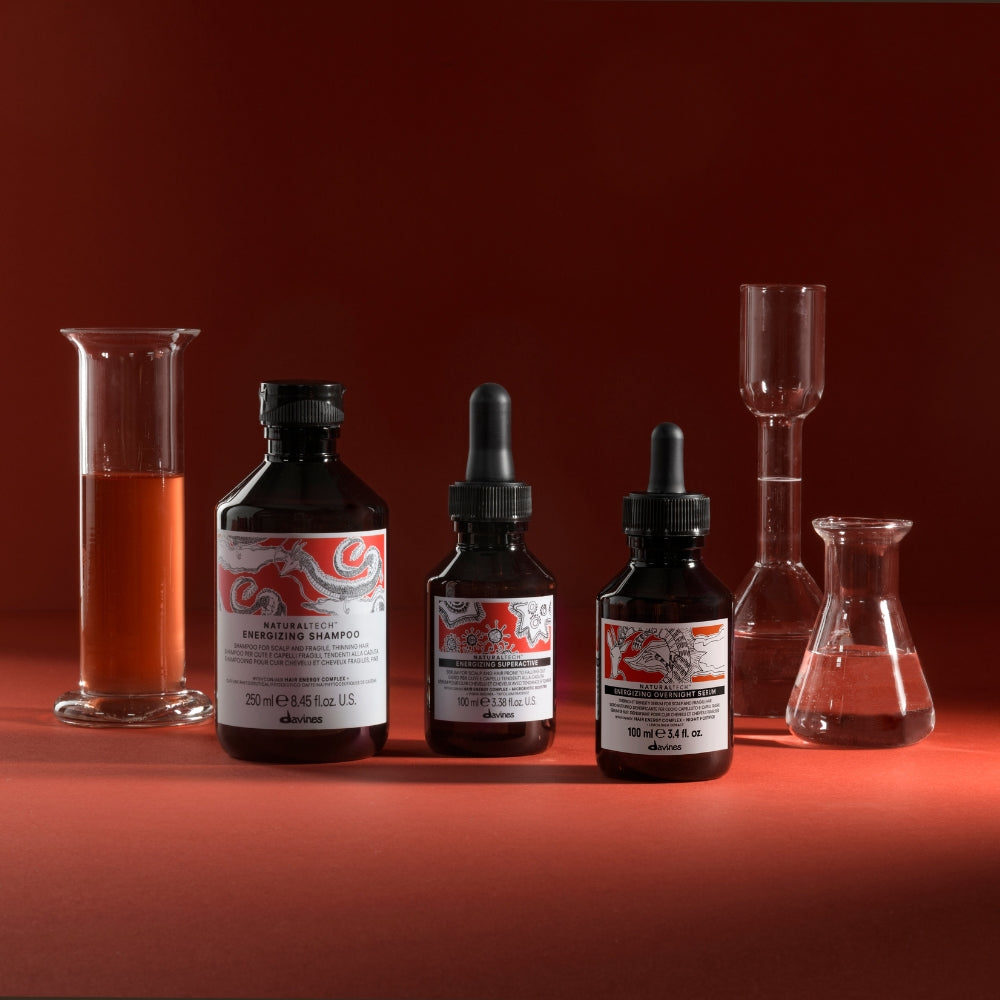
 Shop Now Your New Nighttime HeroMeet the ENERGIZING Overnight Serum: restore strength and vitality as you sleep










How To Align Your Hair Treatments With Your Hair Growth Cycles
Understanding your hair growth cycle is one of the most effective ways to grow and maintain longer, stronger strands. But timing matters just as much as the products you use.
Key Takeaways
- The hair growth cycle has five stages: anagen, catagen, telogen, exogen and kenogen.
- Hair grows about half an inch per month on average, depending on individual factors.
- Catagen is the shortest stage, lasting from two to three weeks, exogen lasts around two to five weeks.
- The full hair cycle spans several years, with the anagen phase alone lasting between two and seven years.
- Chronobiology shows that hair follicles follow a circadian rhythm, shifting from daytime defense to nighttime repair and regeneration.
- Supporting both phases with the right products at the right time improves strength, density, and resilience.
Understanding the Hair Growth Cycle
Understanding the hair growth cycle helps you build a more effective hair care routine. Hair grows in four stages: anagen, catagen, telogen and exogen. The full cycle varies by individual but typically ranges from two to seven years.
What makes this cycle even more nuanced is chronobiology- the science of how biological processes follow natural rhythms. When applied to hair, chronobiology reveals that your follicles don't just grow in stages over years. They also follow a daily rhythm, balancing protection during the day with repair and regeneration at night.
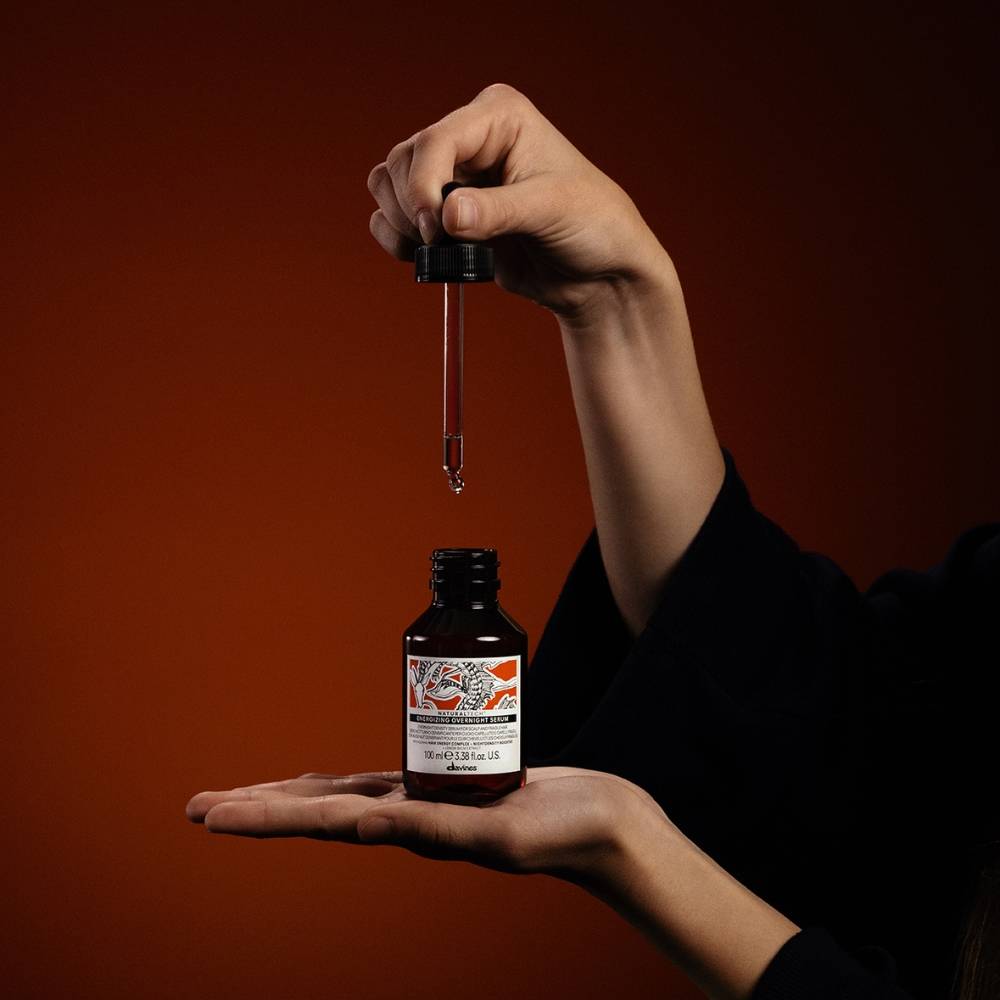
Discover our new Energizing Overnight Serum, designed to work in harmony with the scalp’s natural nighttime repair cycle.
Hair Growth Cycle Stages
Hair grows in four distinct stages. The first three phases - anagen, catagen, and telogen - are the actual growing period of the strands. The last, or exogen phase, is when the old strand finally sheds from the follicle. Each phase has its own timeline, affected by age, nutrition, and overall health.
Chronobiology and the Hair Clock Rhythm
While the four-stage hair growth cycle plays out over months and years, there is another rhythm happening every single day - and it has a direct impact on how well your hair grows and repairs. This is where chronobiology comes in.
Chronobiology is the science of how living beings regulate internal biological clocks to optimize function and well-being. Every organ and tissue in the body - including hair follicles - operates according to a circadian rhythm, a roughly 24-hour internal cycle governed by signals like light, darkness, and hormone fluctuations.
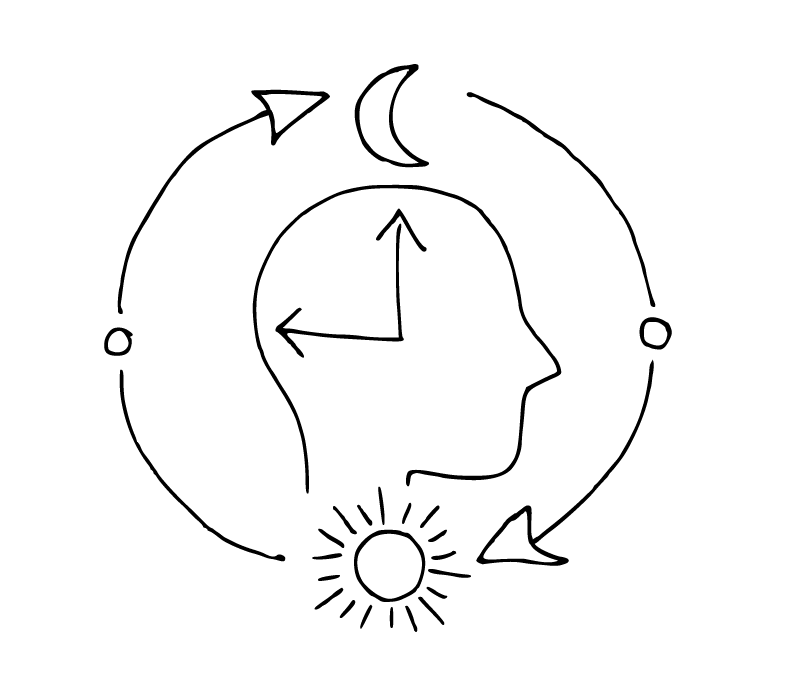
For hair, this plays out in a clear pattern. During the day, when cortisol levels are higher and melatonin is suppressed, hair follicles focus on protection and defense against external stressors. At night, the dynamic shifts. As melatonin rises and cortisol drops, follicles enter a restorative, repair-focused state, supporting cellular renewal and recovery from the day’s accumulated stress.
In short, this looks like protection by day and regeneration by night. It's not just what you do for your hair - it's when you do it.
This is why applying targeted treatments at night isn't simply a matter of convenience. Overnight application aligns with the scalp's natural biological processes, boosting absorption and maximizing the effectiveness of active ingredients. Treatments applied during this repair window can work in sync with the body's own restorative mechanisms, rather than against them.
Factors Influencing the Hair Growth Cycle
Hair follicles operate independently, which allows the hair growth cycle to continue on an ongoing basis, with new hairs growing as others shed. However, disruptions can push more follicles than normal into the telogen resting phase, leading to noticeable thinning or shedding.
Several internal and external factors can influence the hair cycle, including chronic stress, sleep quality, hormonal balance, environmental aggressors and lifestyle habits. When the circadian rhythm of hair follicles is also disrupted - through poor sleep, chronic stress, or oxidative damage - the hair's natural repair cycle is compromised, which can accelerate shedding and slow recovery.
Disruptions in the Hair Growth Cycle
When the hair growth cycle is disrupted, follicles may prematurely enter the resting or shedding phase. This can result in temporary or long-term hair thinning depending on the cause. Hair loss can appear in the following forms:
Maintaining hair health across all phases means managing stress, eating a balanced diet, using high-quality products, limiting heat and harsh chemicals, and avoiding tight hairstyles. Supporting the circadian rhythm of your scalp - through consistent nighttime care that works with the body's natural repair window - is one of the most effective steps you can take.
Your Day-and-Night Hair Care Routine
A well-rounded hair care routine doesn't just address what products you use - it also considers when you use them. Applying the right treatments at the right time of day leverages the scalp's natural circadian rhythm to maximize results.
During the day, focus on protecting the hair fiber, stimulating the scalp, and defending against environmental stressors. This is when hair follicles are in their active growth phase and benefit from energizing, fortifying support. At night, the priority shifts to repair. This is the optimal window to apply leave-in treatments and scalp serums that can work undisturbed through the scalp's natural restoration cycle - detoxifying, rebalancing, and reinforcing the hair fiber while you sleep.
Since the full hair growth cycle can last several years, long-term consistency in this day-and-night approach is what builds lasting strength and resilience in your hair.
¹Independent laboratory, instrumental test, reduction in hair loss due to breakage from brushing after using Energizing Shampoo and Overnight Serum for 8 weeks, vs. placebo.
²Independent laboratory, clinical evaluation, using Energizing Shampoo and Overnight Serum vs. placebo for 8 weeks.
³Independent laboratory, instrumental test and clinical evaluation after 8 weeks, assessing skin elasticity, hydration, barrier function, and sebum levels.
⁴Independent laboratory, self-assessment, 20 people after 12 weeks using Energizing Shampoo and Overnight Serum.
Introducing Our New Overnight Hair Scalp Serum
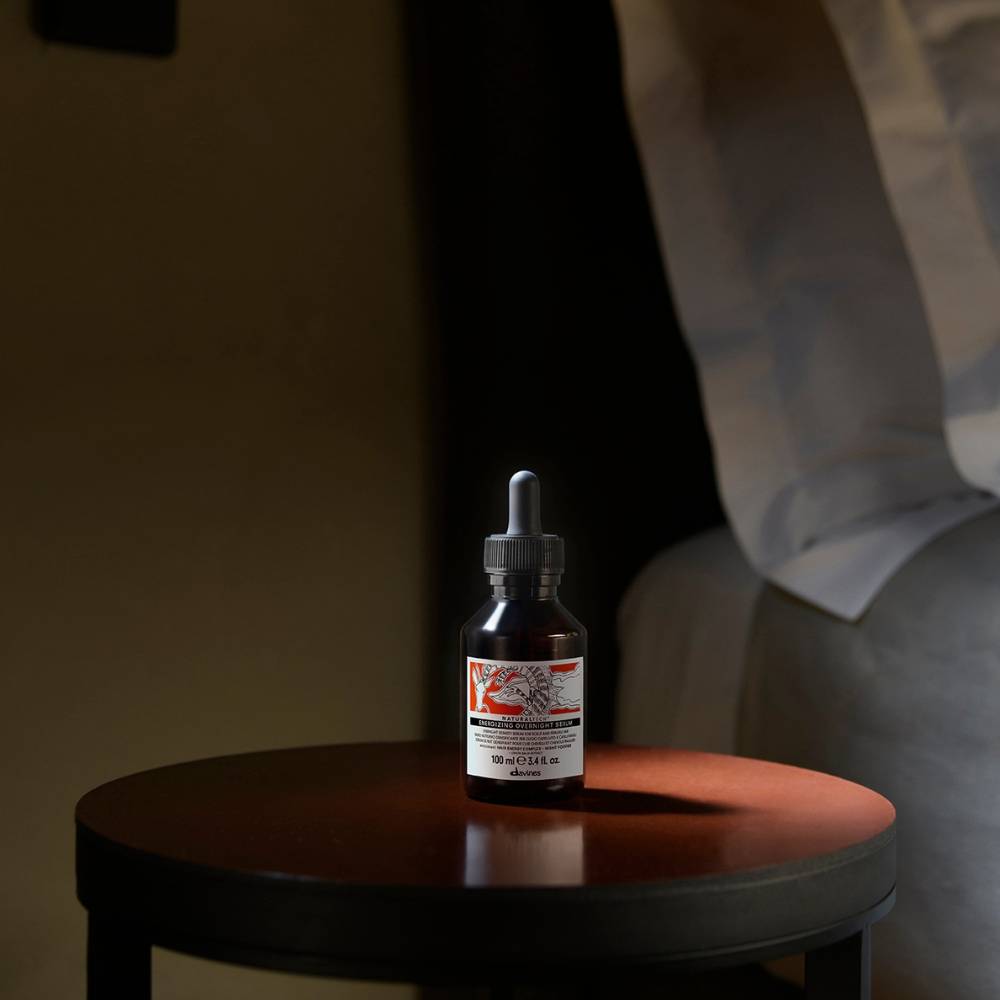
The newest addition to the Davines Naturaltech Energizing family, our Overnight Hair Serum is formulated specifically to work in sync with the scalp's nighttime repair cycle. Applied before bed, it targets the hair and scalp during the body's natural restoration window - when conditions are optimal for absorption and cellular repair.
What It Does
- Helps reduce hair fall due to breakage from brushing¹
- Hair looks visibly denser²
- Helps reduce hair breakage²
- Helps maintain scalp hydration³
- Supports scalp barrier function³
- Helps improve the visible signs of scalp aging³
- Hair feels stronger, more resilient, and weightless⁴
¹ Independent laboratory, instrumental test, reduction in hair loss due to breakage from brushing after using Energizing Shampoo and Overnight Serum for 8 weeks, vs. placebo.
² Independent laboratory, clinical evaluation, using Energizing Shampoo and Overnight Serum vs. placebo for 8 weeks.
³ Independent laboratory, instrumental test and clinical evaluation after 8 weeks, assessing skin elasticity, hydration, barrier function, and sebum levels.
⁴ Independent laboratory, self-assessment, 20 people after 12 weeks using Energizing Shampoo and Overnight Serum.
How To Use It
The Overnight Serum is designed for versatile use based on your hair and scalp needs, including your washing routine, hair texture, and the extent of visible thinning. More consistent and frequent use can help maximize its benefits over time.
Seasonal Hair Loss
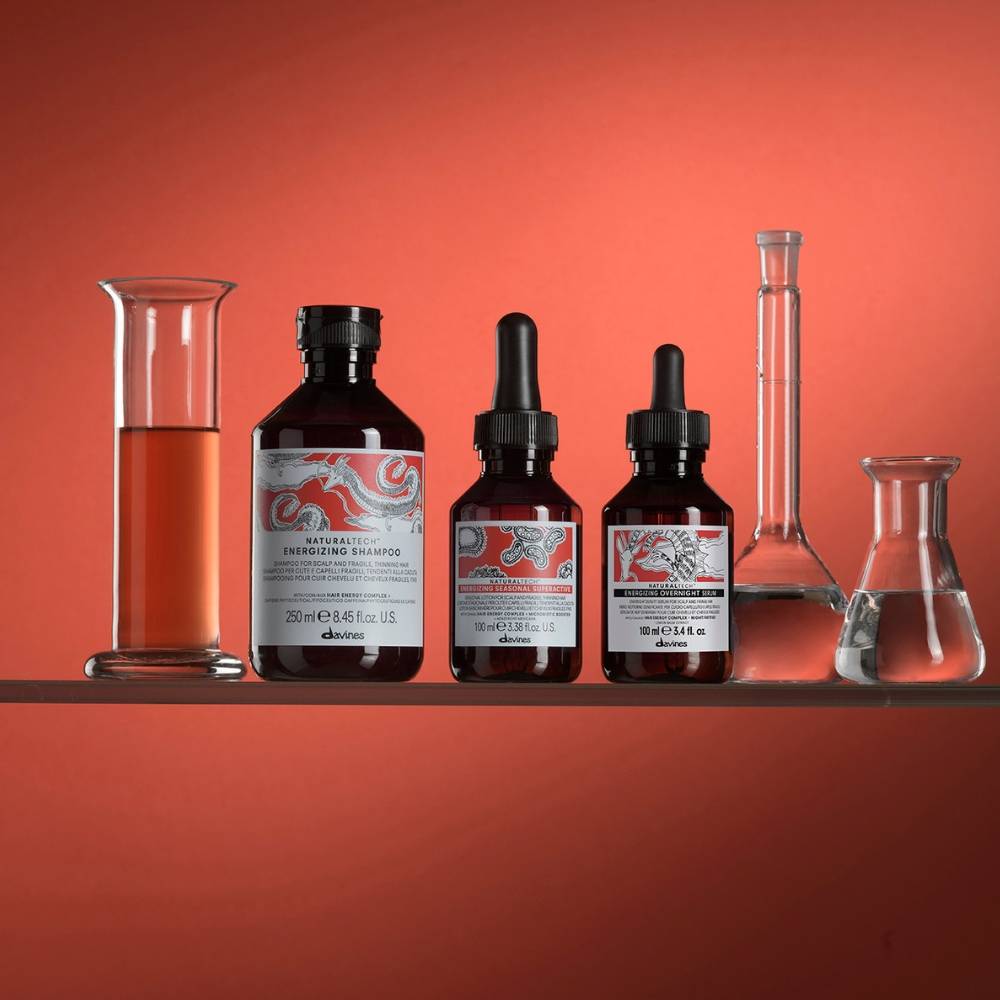
If you experience seasonal shedding during specific months of the year, use the following routine. The Seasonal Superactive supports your hair’s internal clock during the day, and the Overnight Serum supports the rhythm of repair whilst you sleep.
Benefits:
- 50% less hair fall¹
- 3X more visibly denser-looking hair²
¹Independent laboratory, reduction in hair loss due to breakage from brushing using Energizing Shampoo, Seasonal Superactive and Overnight Serum for 12 weeks
²Independent laboratory, clinical evaluation, using Energizing Shampoo, Seasonal Superactive and Overnight Serum vs. placebo for 4 weeks.
Progressive Hair Loss
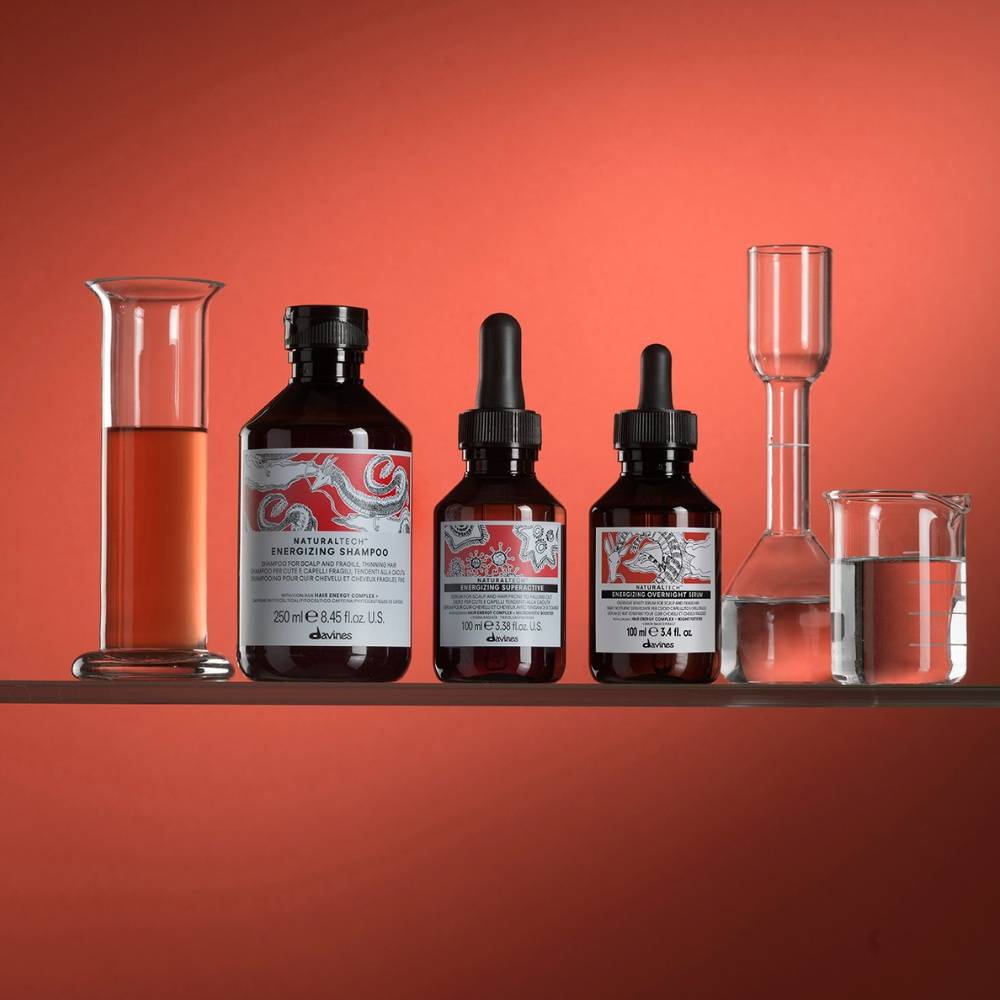
If you experience persistent or progressive hair thinning over time, the following routine may be better suited to your needs. Using the Superactive during the day helps support the appearance of stronger, denser-looking hair, while the Overnight Serum complements the scalp’s natural nighttime renewal rhythm as you sleep.
Benefits:
- 53% less hair fall¹
- 4X more visibly denser-looking hair²
¹Independent laboratory, clinical evaluation, using Energizing Shampoo, Superactive and Overnight Serum for 12 weeks.
²Independent laboratory, clinical evaluation, using Energizing Shampoo, Superactive and Overnight Serum vs. placebo for 4 weeks.
FAQs
How long does it take for hair to go through a cycle?
The full hair growth cycle typically lasts between two and seven years, depending on the individual. Hair spends most of its time actively growing in the anagen phase, which can last anywhere from two to six years. Because each hair follicle goes through its own independent cycle, strands are constantly in different stages at any given time.
What stage is the shortest hair growth cycle?
The shortest stage is catagen, the transitional phase between active growth and resting. It typically lasts around 10 days, making it significantly shorter than the anagen and telogen phases.
How long does a hair shedding cycle last?
The shedding phase, or exogen, is the final stage of the hair growth cycle. It is when hair strands are released from the follicle, and the process can last anywhere from two to five months.
Why is nighttime the best time to apply hair treatments?
Hair follicles follow a circadian rhythm. At night, as melatonin rises and cortisol drops, the scalp enters a natural repair and recovery state. Applying targeted treatments during this window allows active ingredients to work in sync with the body's own restorative processes — boosting absorption and maximizing effectiveness in a way that daytime application simply cannot replicate.
The shedding phase, or exogen, is the final stage of the hair growth cycle. It is when hair strands are released from the follicle, and the process can last anywhere from two to five months.
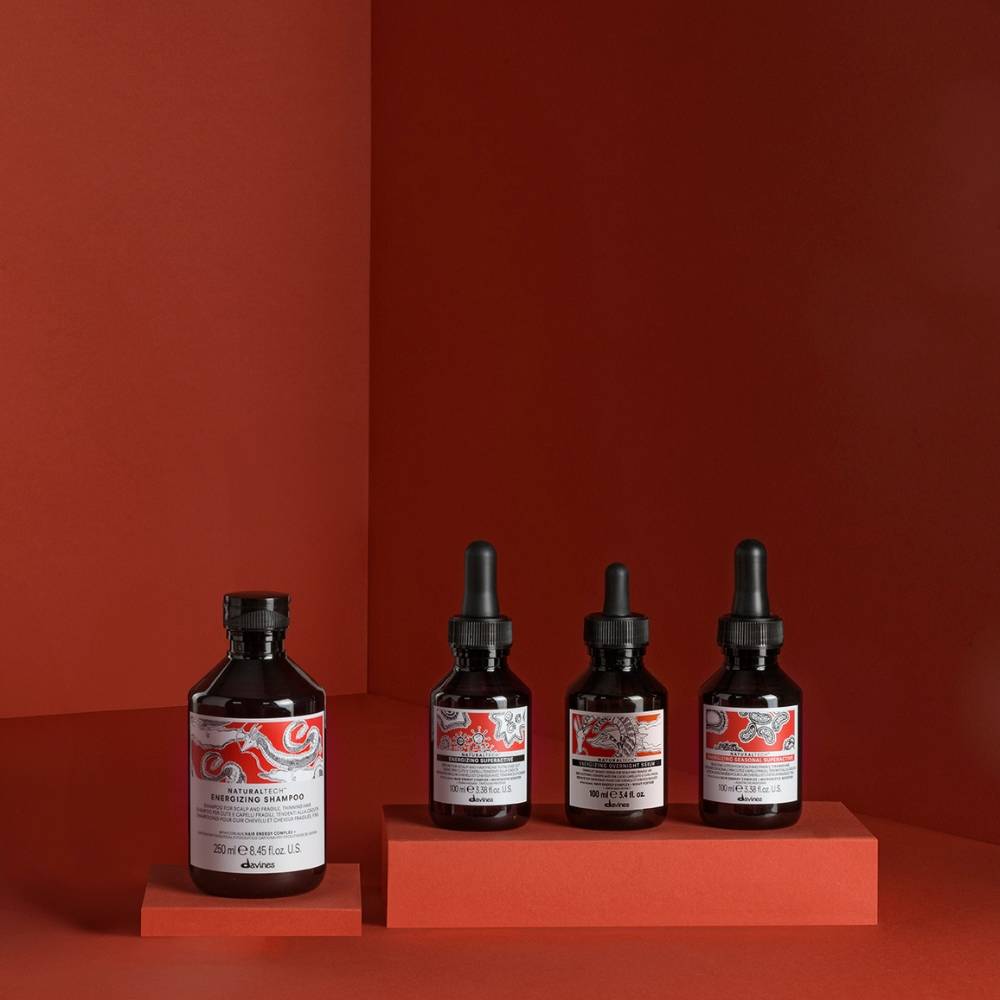
Experience the Naturaltech Energizing Service at a Davines Salon
Our salons are the perfect starting points for creating a look and routine that caters to your hair and scalp’s needs, day and night. Receive an in-person consultation and tailored products that you can continue using at home.
Read more
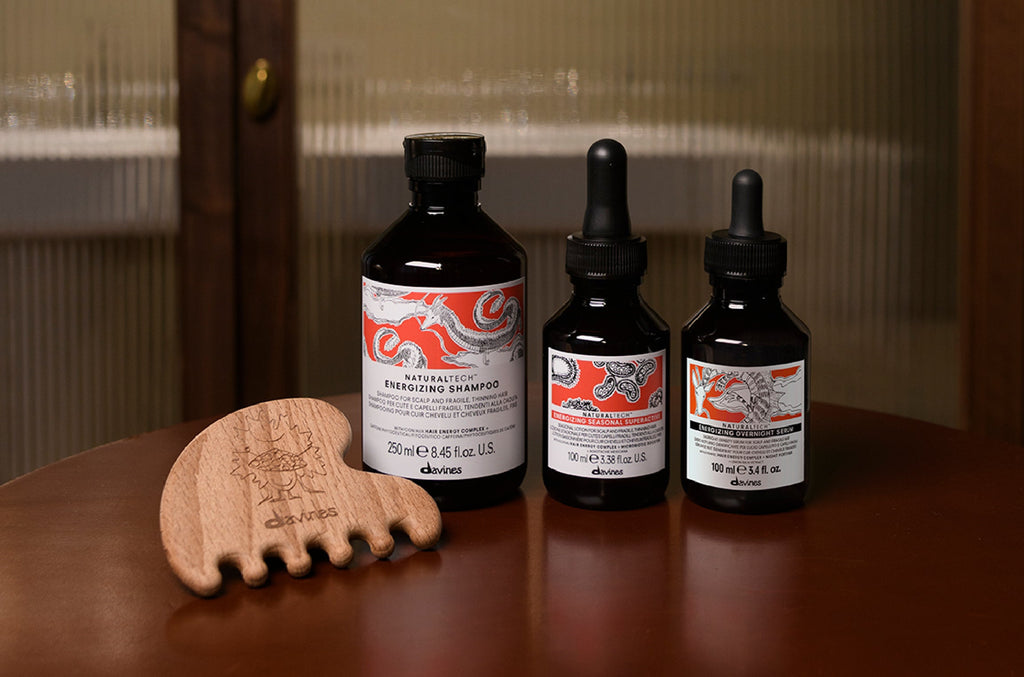
Hair Growth Serum: What to Look For and What Results to Expect What a hair growth serum can really do:...
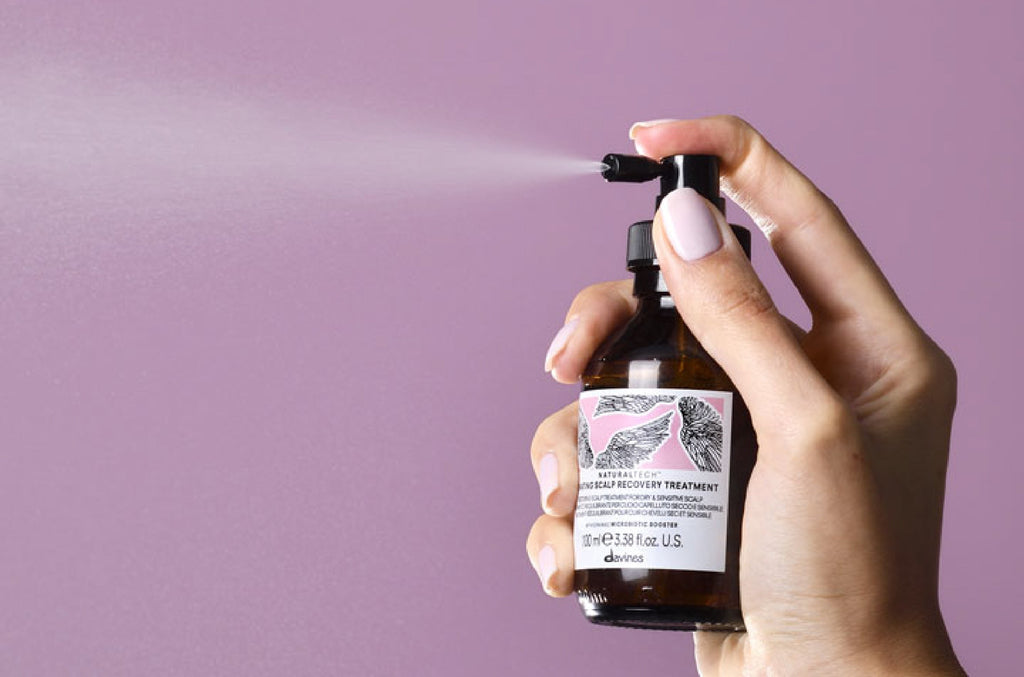
Scalp Serum 101: What It Does, Benefits and How to Use It Overnight What does a scalp serum do? Learn...
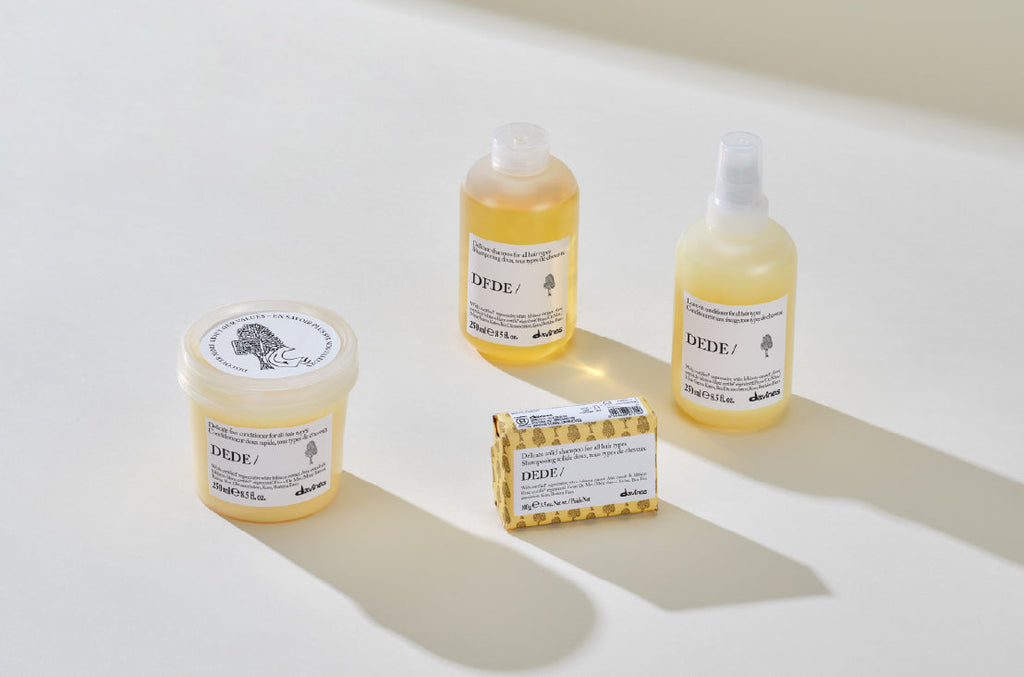
Daily wash dilemma: should you shampoo every day? Washing your hair and scalp is as important as washing the rest...
Leave a comment
Comments will be approved before showing up.