
 Shop Now Summer FavoritesWelcome the sunniest season with stylist-approved haircare









Why Is My Hair Flat? How to Bring Volume Back to Limp and Fine Hair
Updated on June 10, 2026 | 3 min read
We celebrate and embrace all hair types at Davines, and fine hair is by no means a bad thing. Even so, you may want a little more volume for your day-to-day looks, or perhaps your hair isn’t feeling as healthy as it once was, leading to lifeless strands. Flat, limp hair is one of the most common hair concerns, and it affects more than just fine hair types. Once you understand what's causing the flatness, building a routine that actually lifts and supports your strands becomes more straightforward.
Key Takeaways
What to Know About Flat Hair
- Flat, limp hair is caused by a combination of factors, including hair type, product buildup, oil buildup at the roots, styling habits, and genetics.
- The right volumizing shampoo, conditioner, and styling products make a significant difference, especially those formulated specifically for fine or thin hair.
- How you dry your hair matters as much as what you put in it. Blow-drying upside down and using a round brush at the roots are two of the most effective techniques for root lift.
- Regular trims and the right haircut can add the appearance of more body and movement.
In This Article
What Causes Flat, Limp Hair?
Signs You Have Flat or Fine Hair
How to Cleanse for More Volume
Drying Techniques That Build Root Lift
The Best Volumizing Products for Fine and Flat Hair
Styling Tips and Haircut Choices That Add Volume
When to See a Professional
What Causes Flat, Limp Hair?
Flat hair has several overlapping causes. Identifying which ones apply to you is the first step toward fixing it.
- Hair Type and Genetics: Fine hair has a smaller strand diameter than other hair types, which means it naturally sits closer to the scalp and is more prone to falling flat. If fine or thin hair runs in your family, genetics may be a contributing factor—but that doesn't mean volume is out of reach.
- Product Buildup and Oil: Excess sebum and residue from heavy conditioners, styling creams, and oils accumulate at the roots over time, weighing strands down and robbing them of lift. Fine and straight hair types are especially susceptible because the natural oils travel down the hair shaft more quickly.
- Styling Habits: How you dry your hair can work against you. Rough towel drying, blow-drying downward rather than lifting at the roots, air drying without shaping, and skipping heat protectant or leave-in products all reduce hair volume before it even has a chance to form.
For full-bodied, shiny and hydrated hair
Incorporate a treatment like REPLUMPING Hair Filler Superactive Leave-in to combat breakage, boost elasticity, and make volume last.
- Hair Density: Low hair density, meaning fewer strands on the scalp overall, can contribute to a flat appearance even when individual strands are healthy. This is different from fine hair, which refers to the diameter of each strand rather than how many strands there are.
- Washing Habits: Washing too frequently strips the scalp of its natural oils and prompts it to overproduce sebum. Yet, washing too infrequently allows buildup to accumulate and flatten the hair. Finding the right balance for your hair type is key.
- Hard Water: Showering in hard water allows calcium and magnesium to coat the hair shaft over time, leaving strands looking limp and dull despite a solid product routine.
The good news is that most of these causes are fixable with the right routine adjustments. Understanding which ones apply to your hair is the fastest way to start seeing real results.
Signs You Have Flat or Fine Hair
Fine hair and flat hair aren't always the same thing. Flat hair can happen to any hair type, while fine hair is a hair type more prone to falling flat. Here are signs of flat or fine hair:
- Hair that sits very close to the scalp with little lift at the roots.
- Strands that look lifeless or lack bounce and movement throughout the day.
- Curls or coils that lose definition quickly or have no spring.
- Hair that feels weighed down even shortly after washing.
How to Cleanse for More Volume
Your wash day routine sets the foundation for everything else. Using the wrong shampoo or too much conditioner for your hair type is one of the most common and fixable causes of flat hair.
The VOLU Shampoo is formulated specifically for fine and limp hair, providing a lightweight cleanse that gently removes buildup and oil without stripping moisture or weighing strands down. Pair it with the VOLU Conditioner, a weightless formula designed to add softness and body to fine hair without the heaviness that traditional conditioners can leave behind.
Additionally, try reverse washing by applying conditioner first and then shampoo. This technique aims to nourish and hydrate hair while removing excess oil and preventing products from weighing down fine, flat, or thin hair.
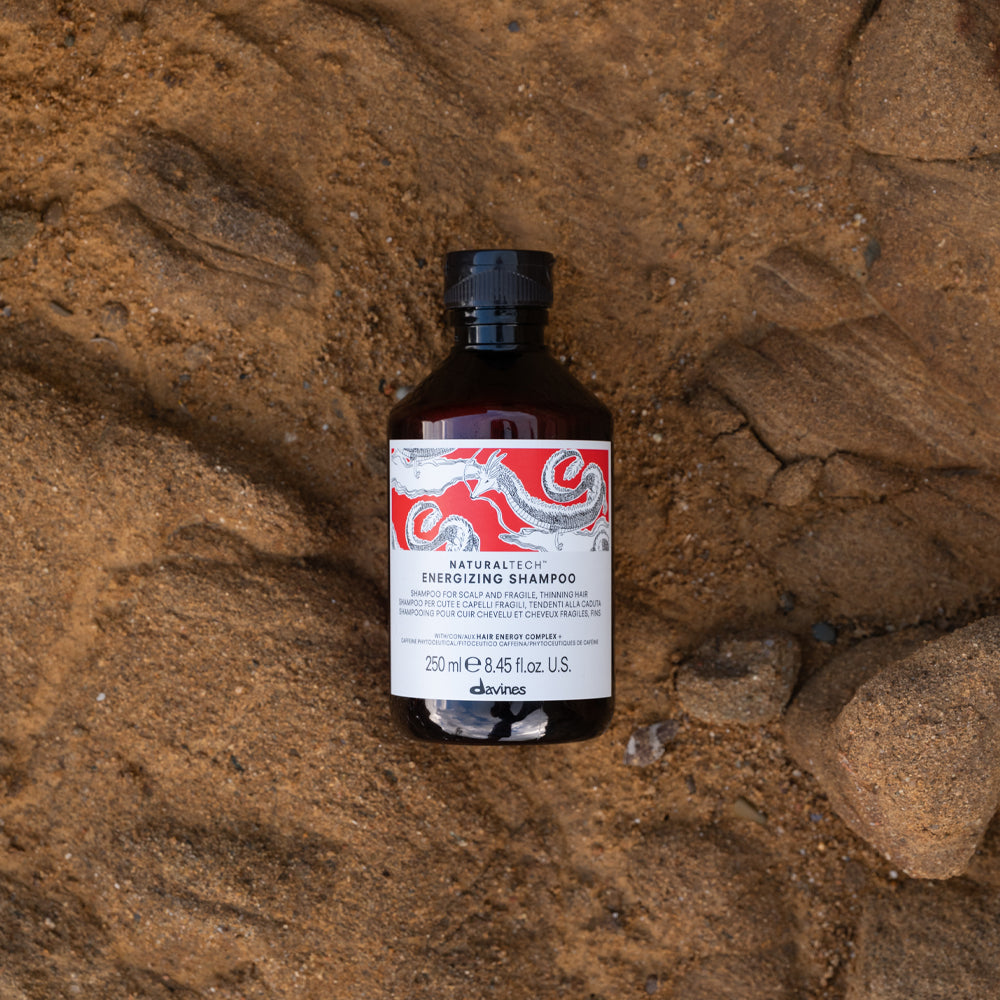
For anyone dealing with persistent product buildup or oily roots that won't quit, rotating in a clarifying shampoo once a week helps reset the scalp and remove residue that daily shampoos miss. If hair loss or visibly thinning strands are a concern alongside flatness, the Naturaltech Energizing Shampoo and Thickening Tonic work together to support scalp health and visibly thicken the diameter of each strand by up to 10%.
*A note on conditioner: Apply it from the mid-lengths to the ends only, never directly on the scalp or roots. Excess conditioner at the roots is one of the fastest ways to flatten fine hair.

Drying Techniques That Build Root Lift
How you dry your hair has as much impact on volume as what products you use. Follow these tips for hair that won’t fall flat after drying.
- Blow Dry Upside Down: Flipping your head upside down and directing airflow toward the roots as you dry lifts the hair away from the scalp and encourages natural hair volume. Do this during the initial rough dry phase, then flip upright and finish with a round brush to shape and set.
- Use a Round Brush at the Roots: A round brush combined with a blow dryer gives you the tension needed to push roots up and outward rather than flat against the head. Focus heat on the roots and work in sections for the best lift.
- Try a Diffuser: For wavy or curly hair types, a diffuser on a low heat setting enhances natural texture and plumps the curl pattern without disrupting it, giving the appearance of more body and volume without frizz.
- If You Prefer Air Drying: Gently blot hair dry with a microfiber towel rather than rubbing, apply a volumizing mousse or lightweight serum, then scrunch. Use clips to lift sections of hair at the roots while it dries to encourage shape and lift.
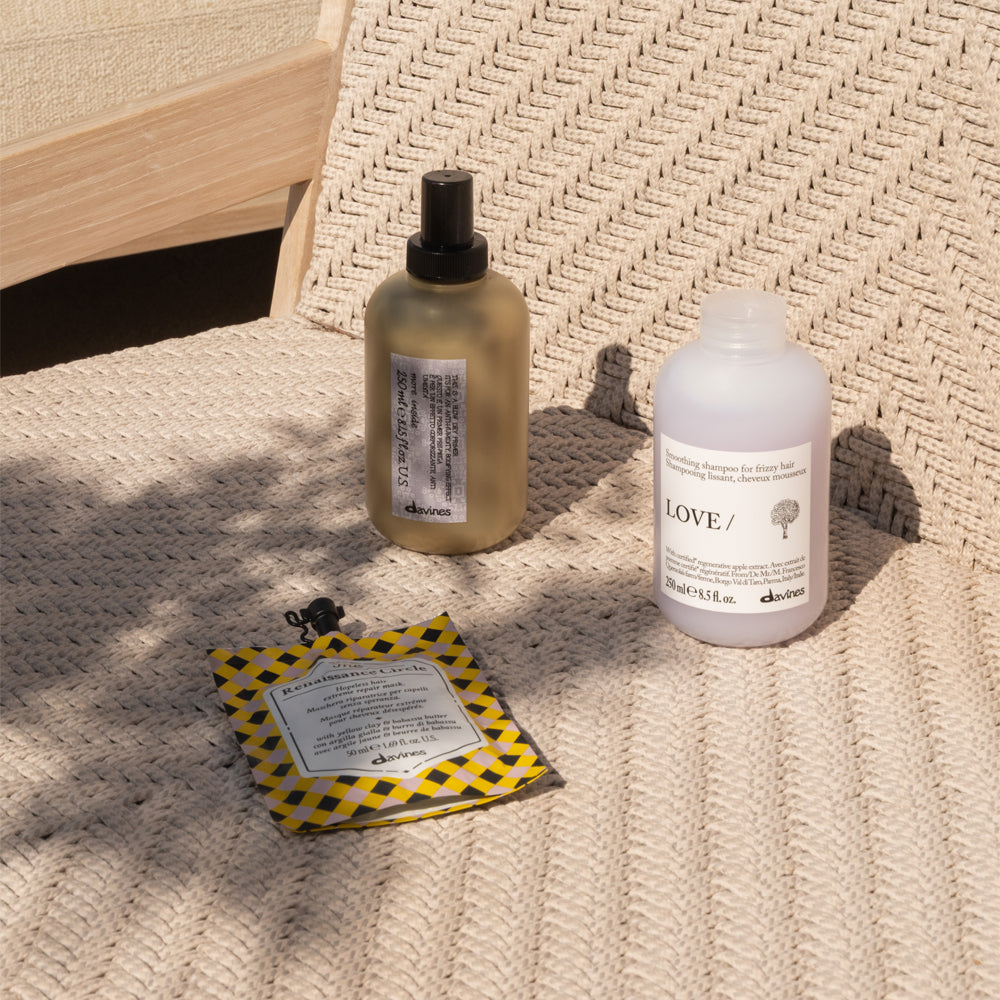
Once your hair is dry, use a spray like This is a Dry Wax Finishing Spray around the roots for extra body and definition. Then, enjoy your lively strands.

The Best Volumizing Products for Fine and Flat Hair
The right products create lift, separate strands, and hold volume throughout the day without adding weight. Here are our best volumizing products for an extra lift.
For Root Lift and Body
The VOLU Hair Mist is a lightweight finishing spray that adds volume and softness to fine hair without weighing it down. Spritz onto dry or damp hair for an instant boost at the roots and a shiny, airy finish that lasts.
For a more defined, piecey texture and hold, texturizing spray like our This is a Dry Texturizer separates strands and adds grip and body, especially useful on second-day hair or as a finishing touch after styling.
For Volume and Shine
Meet the newest addition to the OI family: OI Soufflé is a reinvention of the classic hair mousse. Comb the lightweight foam through damp hair before drying for hair that's shiny, voluminous, and full of movement. Plus, it’s suitable for every hair type from ultra-fine to thick.
For a Volumizing Blow Dry
Apply This is a Volume Boosting Mousse to damp hair before blow drying for it to work with heat to amplify body and lift at the roots. It's one of the most effective tools for fine hair that needs structure to hold a blowout throughout the day.
Between Washes
This is an Invisible Dry Shampoo is an essential for anyone with fine or flat hair. Beyond absorbing excess oil and extending the time between washes, it adds grip, texture, and the appearance of volume to roots that have gone limp.
Must-have volumizing products
Lightweight formulas to add to your routine.
Styling Tips and Haircut Choices That Add Volume
Products and techniques only go so far. The right haircut makes a lasting difference in how much body your hair naturally has, so try incorporating the following techniques:
- Ask for Layers: Layers create movement and reduce the weight that pulls down on fine or long hair, making it flat. Face-framing layers in particular add lift around the crown and make hair appear fuller with minimal effort. Point cutting or razor cutting can also soften bulk and prevent hair from looking weighed down.
- Switch Your Part: Hair trained to fall the same way every day loses its natural lift over time. Flipping your part even occasionally resets that memory and creates instant volume at the roots.
- Get Regular Trims: Heavy, straggly ends pull hair downward and reduce bounce. Keeping up with trims every six to eight weeks keeps your haircut's shape intact and your hair looking lighter and more voluminous.
- Consider Hair Extensions: For fine or low-density hair, extensions offer a longer-term solution for fullness and texture. Always work with your stylist to find the right option for your hair type and maintenance preferences.

When to See a Professional
If flat hair is a sudden or dramatic change from your usual hair texture, especially if accompanied by increased shedding or thinning, it's worth speaking to a professional. You deserve hair advice that’s fully customized to your hair type and lifestyle. Book an appointment at a Davines salon for the perfect cut and receive guidance on a care routine that will help you style fine hair in a way that suits you best.
You Might Also Like...


by Jaclyn LaBadia, featured contributor
How to Scrunch Hair: Guide for Straight, Wavy, and Curly Textures Learn how to scrunch hair for natural waves and...

by Jaclyn LaBadia, featured contributor
How to Fix Brittle Hair: Causes, Treatments, Repair Learn what causes brittle hair, how to repair it, and the best...
by Jaclyn LaBadia, featured contributor
The Jellyfish Haircut: Layered Variations and Styling Discover the jellyfish haircut: what it is, who it suits, and how to...
Leave a comment
Comments will be approved before showing up.