

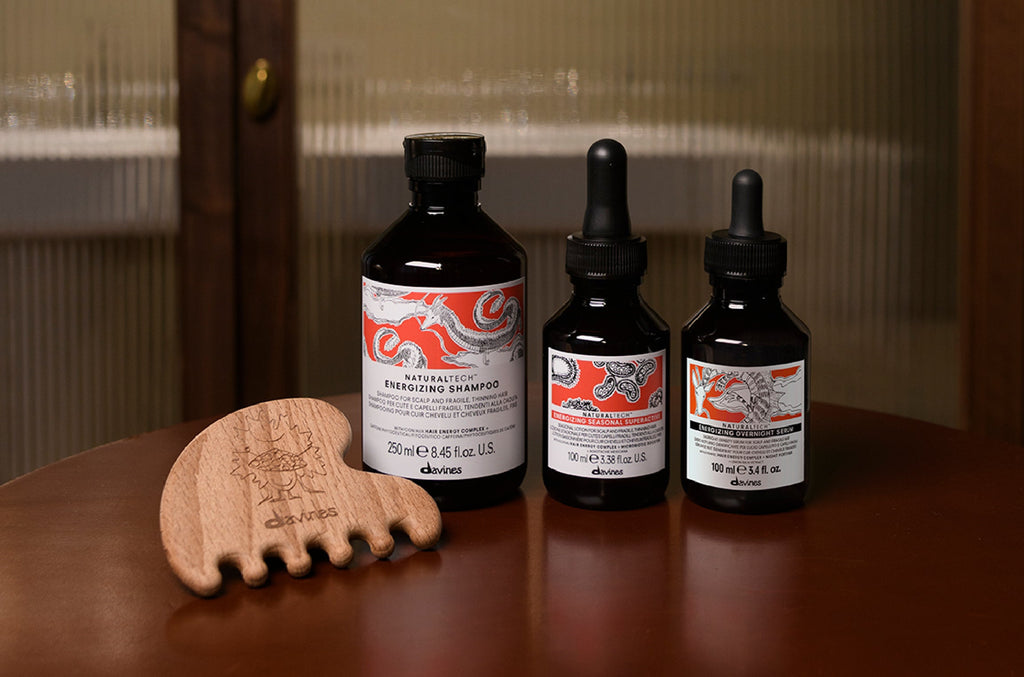
 Shop Now Your New Nighttime HeroMeet the ENERGIZING Overnight Serum: restore strength and vitality as you sleep










How Often Should You Wash Your Hair?
Updated on June 29, 2026 | 3 min read
Jaclyn LaBadia, Davines Writer
When it comes to creating a hair care routine, one size rarely fits all. Knowing where to start and how to strike the perfect balance of wash-days and days off, combat an oily scalp, or ensure what you’re doing is best for your hair can be more than overwhelming. Understanding the basics, then building your regimen, can bring the clarity both you and your strands need.
But first, a mini biology lesson. Where does the oil and build-up that appears on your scalp come from? As explained in our blog How to Get Rid of Oily Hair, the sebaceous glands in your skin are responsible for helping maintain balance. When everything is in order, the oil (sebum) that the sebaceous glands produce keeps your hair strands shiny and healthy. These nourishing oils work their way from your scalp down the hair shaft, distributing natural oils necessary to keep your hair vibrant.
Then, shampoo enters the picture. The right washing routine for your hair removes excess dirt and oil, leaving you with the perfect balance of oil for healthy, hydrated hair. But if you’re washing too frequently, over-shampooing strips your scalp and strands of the oils they need, leaving you with dry, damaged strands. That’s why curating the right routine for your hair’s specific needs is so important, and we’ll unpack how to do just that.
Key Takeaways
- There’s no one-size-fits-all hair washing schedule, and the right frequency for your hair depends on your scalp health, hair type, and lifestyle.
- Overwashing and underwashing can both become problematic, so striking a balance that retains natural oils and doesn’t lead to buildup or irritation is key.
- Your hair type is a great guide for your washing routine, just build around its specific needs.
In This Article
How Often Should You Wash Your Hair Based on Your Hair Type?
Is Shampooing Good for Your Hair?
Alternative Methods to Clean Your Hair
Experimenting is Everything
How Often Should You Wash Your Hair Based on Your Hair Type?
Many factors play into building the right washing routine for your hair: how often you work out, your hairstylist’s recommendations, and the amount of styling products you’re using at a given time, to name a few. Using your hair type as a general starting point and adjusting around your unique lifestyle can create the balanced hair care routine your strands need.

Thin Hair: Every Other Day
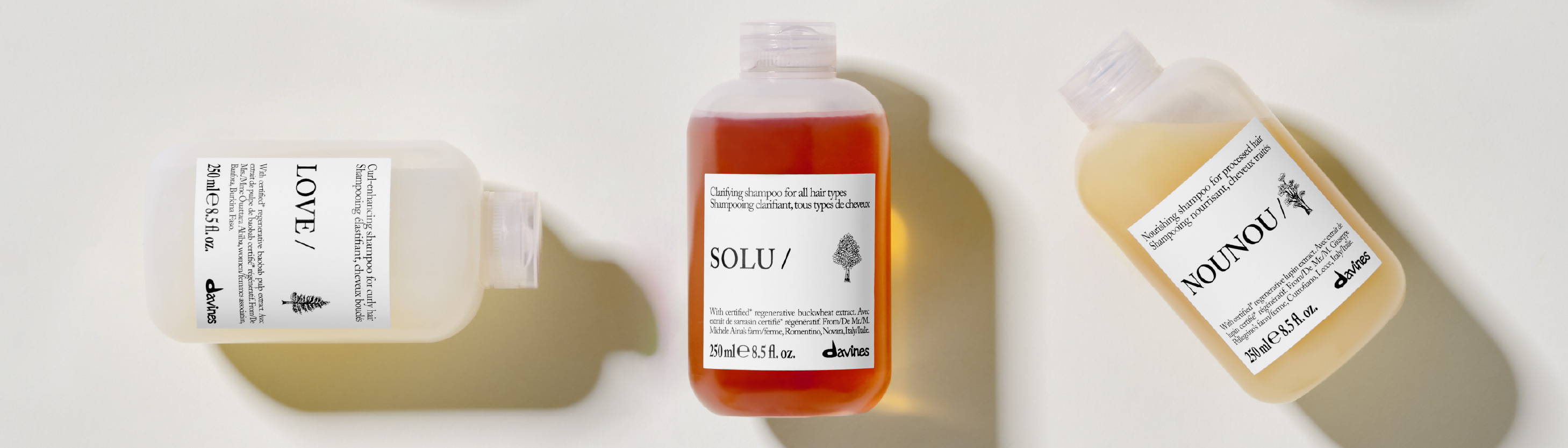
There are many conflicting opinions about how to care for fine or thin hair, but washing every other day tends to work best. Letting oil and dirt accumulate on your scalp can make thin, fine hair appear limp, and potentially thinner than it is. When it’s time to wash, choose a sulfate-free, delicate daily shampoo, or volumizing shampoo to help lift your roots and add body while you cleanse.

Thick Hair: A Few Times a Week
Thick hair can mask oil buildup more easily, so washing a few times a week helps purify the scalp without stripping. Use a moisturizing shampoo, and swap in a clarifying shampoo once or twice a month for an even deeper cleanse. For wavy or loosely curly hair, try a moisturizing curl-enhancing shampoo to add necessary nutrients and keep your strands bouncy and defined.

Textured Hair: Once a Week
Because of its natural dryness, coarse, textured hair doesn’t easily accumulate buildup and doesn’t need frequent washing. Once a week is usually perfect for people with textured hair types, and it avoids over-stripping. Make sure you’re choosing a sulfate-free shampoo that nourishes and moisturizes while it cleanses to layer in even more protection, and implement these tips for naturally-textured hair in the dry, summer months.
Is Shampooing Good for Your Hair?
Before any other benefits, the first job of your shampoo should always be to remove excess dirt and oil from the surface of your scalp and strands. Shampooing at the proper frequency for your hair is one of the best things you can do for it, especially if you’re prone to an excessively oily scalp.
But shampooing too frequently runs the risk of stripping your hair of the essential oils it needs to maintain balance, leading to dry hair and scalp, breakage, frizz, or damage. The key to maintaining hair harmony is sticking to a washing routine that works for your specific hair and scalp needs, and adjusting it if you notice any negative shifts.
Alternative Methods to Clean Your Hair
While shampoo is the most common way to cleanse your hair, some people prefer alternative washing methods that may better suit their hair type, scalp needs, or personal preferences.
Home Remedies
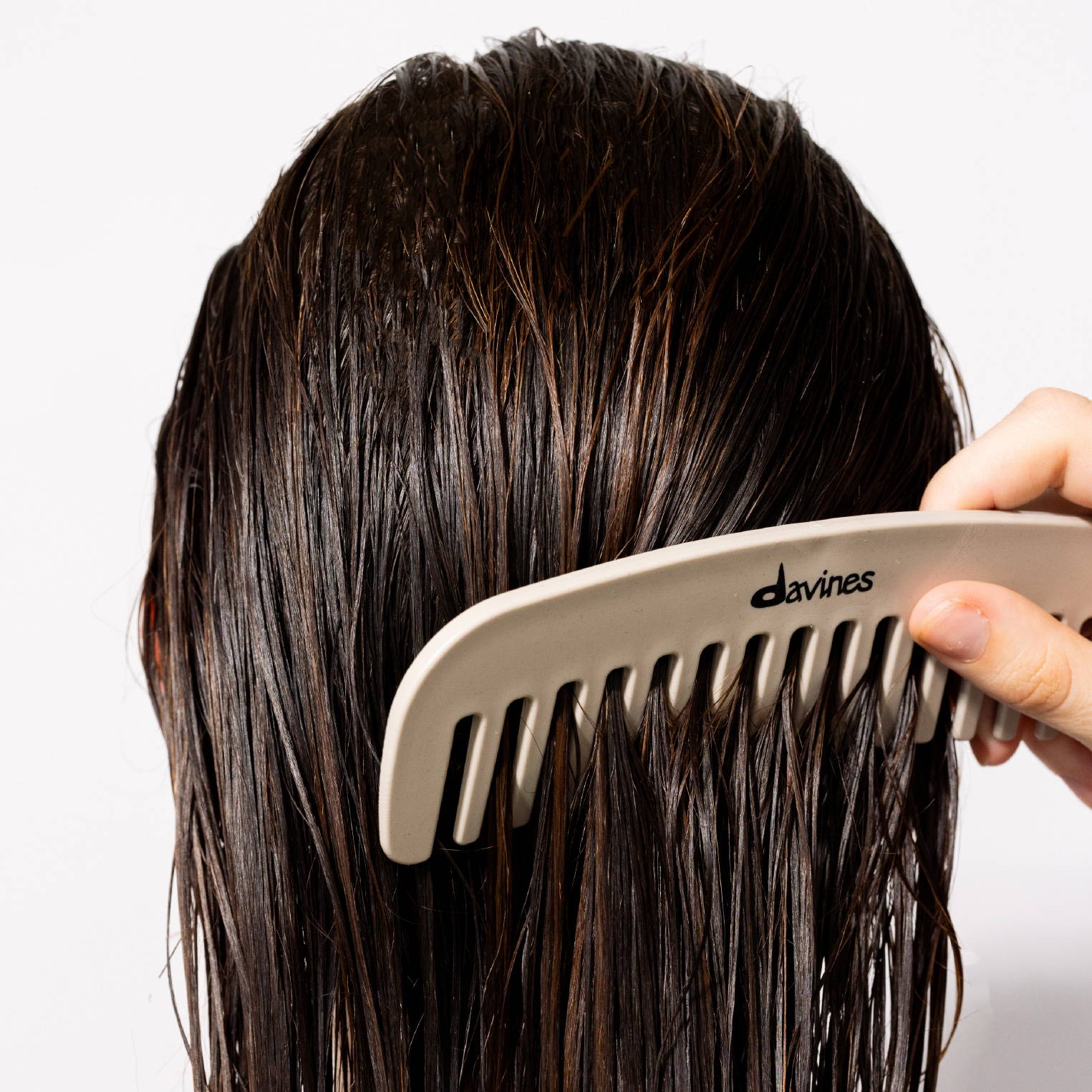
Some at-home alternatives to traditional shampoo include apple cider vinegar rinses, which have a pH similar to that of human hair, and baking soda, which can help cleanse the hair and scalp. Another popular option is co-washing, which uses conditioner instead of shampoo and is often favored by people with coarse, curly, or textured hair.

Dry Shampoo
Dry shampoo is a method loved by many and a quick, water-free option for busy days that need a touch-up but don’t have time for a traditional wash. Dry shampoo works to absorb the oils and dirt that build up on your hair and scalp, leaving you with a clean hair slate. While usage varies depending on your hair type, the general rule is that after 3 consecutive days of dry shampoo use, it’s time to shampoo for real. For frequent dry shampoo users, adding a clarifying shampoo to your routine helps remove any potential product buildup, keeping your hair from looking lifeless or greasy.

Adding a Sulfate-Free Conditioner
A sulfate-free conditioner is an essential step in any routine. Once your hair has been properly cleansed, supplement your wash with a conditioner that complements your chosen shampoo. If you have thin, fine hair, try a lightweight conditioner to add life and elasticity to your hair. For thick, textured hair, try a smoothing or moisturizing conditioner. If you have curly or coarse hair, try a curl-enhancing conditioner and rotate in a replenishing hair mask to restore moisture.
Experimenting is Everything
While there’s no textbook answer on how often to wash your hair, trying the recommended routine for your hair type is a perfect starting point. Maintaining a good washing schedule is the key to a balanced scalp and strong, healthy strands, holding on to the natural oils that lend shine and vibrancy to your strands.

Ready for a New Look?
Visit your local Davines salon for customized color, cuts, and care.
You Might Also Like...

by Jaclyn LaBadia, featured contributor
Hair Growth Serum: What to Look For and What Results to Expect What a hair growth serum can really do:...
by Jaclyn LaBadia, featured contributor
Scalp Serum 101: What It Does, Benefits and How to Use It Overnight What does a scalp serum do? Learn...

by Jaclyn LaBadia, featured contributor
Daily wash dilemma: should you shampoo every day? Washing your hair and scalp is as important as washing the rest...
1 Comment
1 Response
patricia fulchino
March 17, 2023
I HAVE BEEN USING MO MO SHAMPOO. IS IT SULFATE FREE? ALSO USE OI CONDITIONER. LOVE IT.. ALSO IS IT SULFATE FREE.
I HAVE KERATIN TREATMENTS FOR MY HAIR. ONE IS NOT SUPPOSED TO USE PRODUCTS THAT CONTAIN SULFATE.
COULD YOU ADVISE WHICH OF YOUR PRODUCTS ARE SULFATE FREE.
THANK YOU.
Leave a comment
Comments will be approved before showing up.