
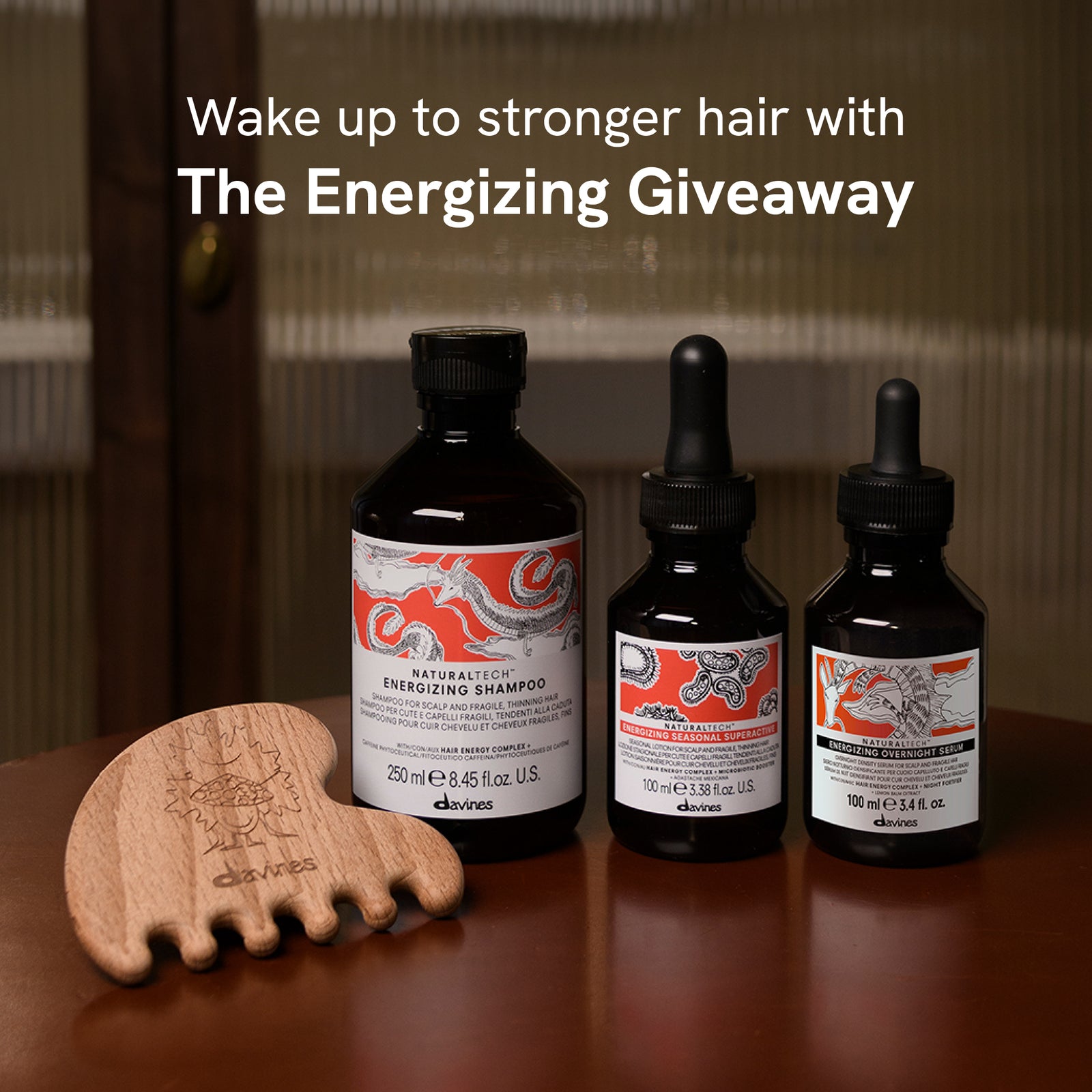
 Shop Now Your New Nighttime HeroMeet the ENERGIZING Overnight Serum: restore strength and vitality as you sleep








What is Low Porosity Hair?
Learn what low porosity hair is and how to care for it with expert tips and hydrating Davines products.
Updated on January 16, 2025 | 2 min read
Jaclyn LaBadia, Davines Writer
Developing the right routine for your hair’s specific needs isn’t always so straightforward. But knowing your hair’s porosity can help. If yours is low, products slide right off and dryness is inevitable. What is low porosity hair? Learn all about it ahead, including expert tips and products to transform your strands, leaving them hydrated and free from buildup.
Key Takeaways
What to Know About Low Porosity Hair
- Understanding your hair’s porosity leads to healthier, more manageable hair.
- Low porosity hair resists moisture due to tightly closed cuticles.
- Simple tests like the Float and Spray Bottle Test can identify it.
- Low porosity hair needs lightweight, hydrating, clarifying care.
- Davines’ MOMO and OI products help nourish and protect this hair type.
In This Article
Understanding Hair Porosity
What is Low Porosity Hair?
Identifying Low Porosity Hair
Is Low Porosity Hair Good or Bad?
Nourishing Low Porosity Hair
Enriching Low Porosity Hair
Embracing Low Porosity Hair
FAQs
Understanding Hair Porosity
Porosity refers to your hair’s ability to absorb and retain moisture. And ultimately, its responsiveness to products. Hair strands are made up of three layers: the cuticle, cortex and medulla. The cuticle is what lets moisture in and out of the hair shaft. And your hair’s porosity determines how seamlessly this happens. Understanding the difference between low vs high porosity hair is the key to building a routine that’s right for your hair. So what is low porosity hair and how do you care for it? Let’s take a closer look below.
What is Low Porosity Hair?
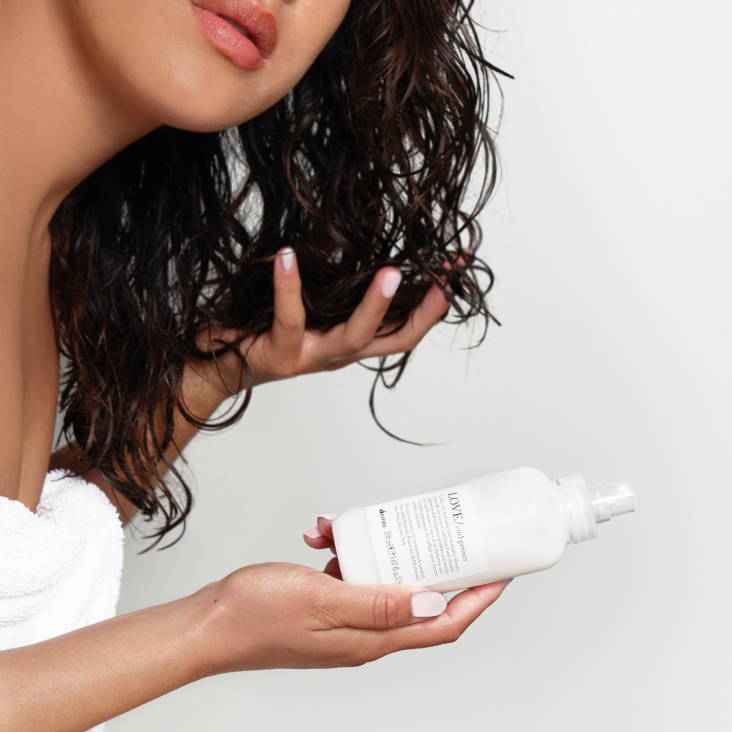
Low porosity hair refers to hair with very tightly packed cuticles. It typically doesn’t allow moisture in or out of the hair shaft easily, and takes longer to absorb products than others. High porosity hair, on the other hand, has a loose cuticle structure, opening easily and not closing as tightly as cuticles with lower porosity. It's much more difficult for moisture to penetrate low porosity hair than high. This means products don’t fully absorb into hair with a lower porosity. Additionally, low porosity hair characteristics include being protein-rich, (making it dry and prone to breakage) and susceptibility to dullness, frizz and grease. So using hydrating, lightweight product formulas is a must for the overall health and appearance of your low porosity hair.
Identifying Low Porosity Hair
So how do you know if you’re dealing with low porosity hair? Typically, curly hair tends to be low porosity. And if your hair is so dry that water and moisture almost seem to bounce off of it, there's a good chance that your porosity is low. But you can determine your hair’s porosity in a few seconds with one of these two tried-and-true tests:
The Float Test
Start with clean hair that’s free of product, buildup and dirt. Brush or comb through your hair and take a strand from the brush or comb. Drop it into a glass of water, and wait a few minutes. Then check the hair. If it floats, it’s low porosity hair; if it sinks, it’s high porosity.
The Spray Bottle Test
Start with clean, product-free hair and use a spray bottle to spritz a small section with water. If the water beads up and sits on the surface, appears to roll off the hair shaft or takes several minutes for any visible absorption to occur, the hair is low porosity.
Is Low Porosity Hair Good or Bad?
By now you may be wondering, is low porosity hair good or is low hair porosity bad? While it’s not inherently bad, low porosity hair can cause major breakage, or rough brittle strands. But it can also be the reason your hair looks shiny and healthy. Hair that’s low porosity is essentially stronger than high porosity hair and may not split or break as often. The key is caring for and managing your strands properly. More on this below.
Nourishing Low Porosity Hair
Now that we’ve answered the question, what is low porosity hair?, it's time to talk about taking care of it. Tending to low porosity hair is all about managing dryness and encouraging thirsty strands to absorb water. Keep your low porosity hair hydrated and healthy with these products, ingredients, and practices.
Using Clarifying Shampoos
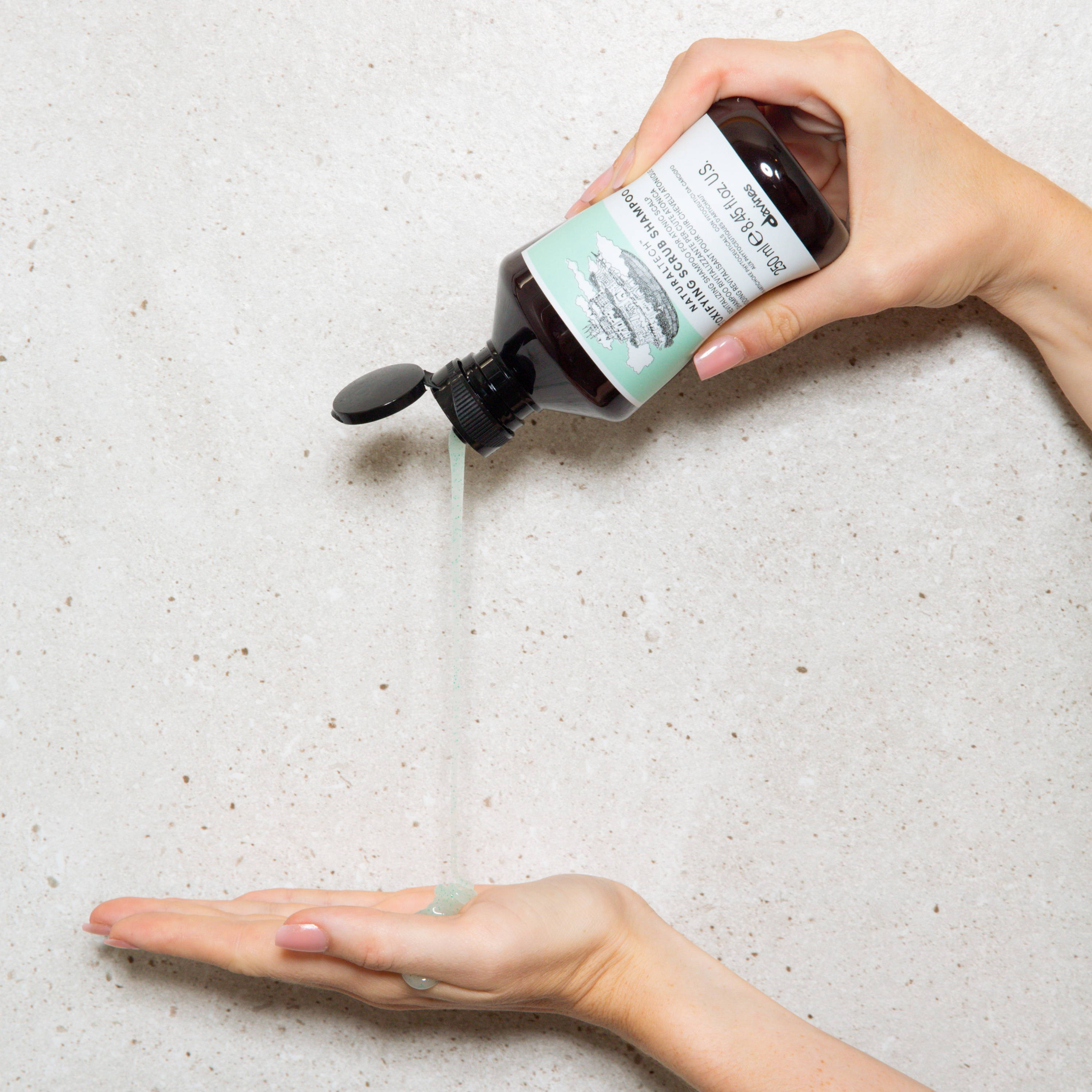
The shampoo you use on your low porosity hair is key. Because products don't easily absorb into low porosity hair strands, a good portion of the product ends up sitting on top of the hair shaft. So in addition to using a moisturizing formula, it’s important to swap in a clarifying shampoo once a week to rid strands of build up.
Choosing the Right Product Formulas
Using lightweight, hydrating products is another must for low porosity hair. Lighter formulas penetrate tightly packed cuticles easier than heavy ones, which create a barrier and make it even harder for strands to absorb moisture. Water-based products work really well to provide moisture and slip in between cuticles.
Preventing Buildup
Since preventing buildup is essential to a low porosity hair care routine, avoid silicones and protein treatments at all cost. Silicone sits on top of the hair shaft, leading to buildup. And adding additional protein to low porosity hair can cause strands to become hard, leaving them more susceptible to breakage.
Enriching Low Porosity Hair
These low porosity friendly moisturizing products from Davines address common issues like dryness, frizz and dullness without weighing down your hair or causing buildup. Add them to your routine for smooth, healthy strands.
MOMO Shampoo and Conditioner
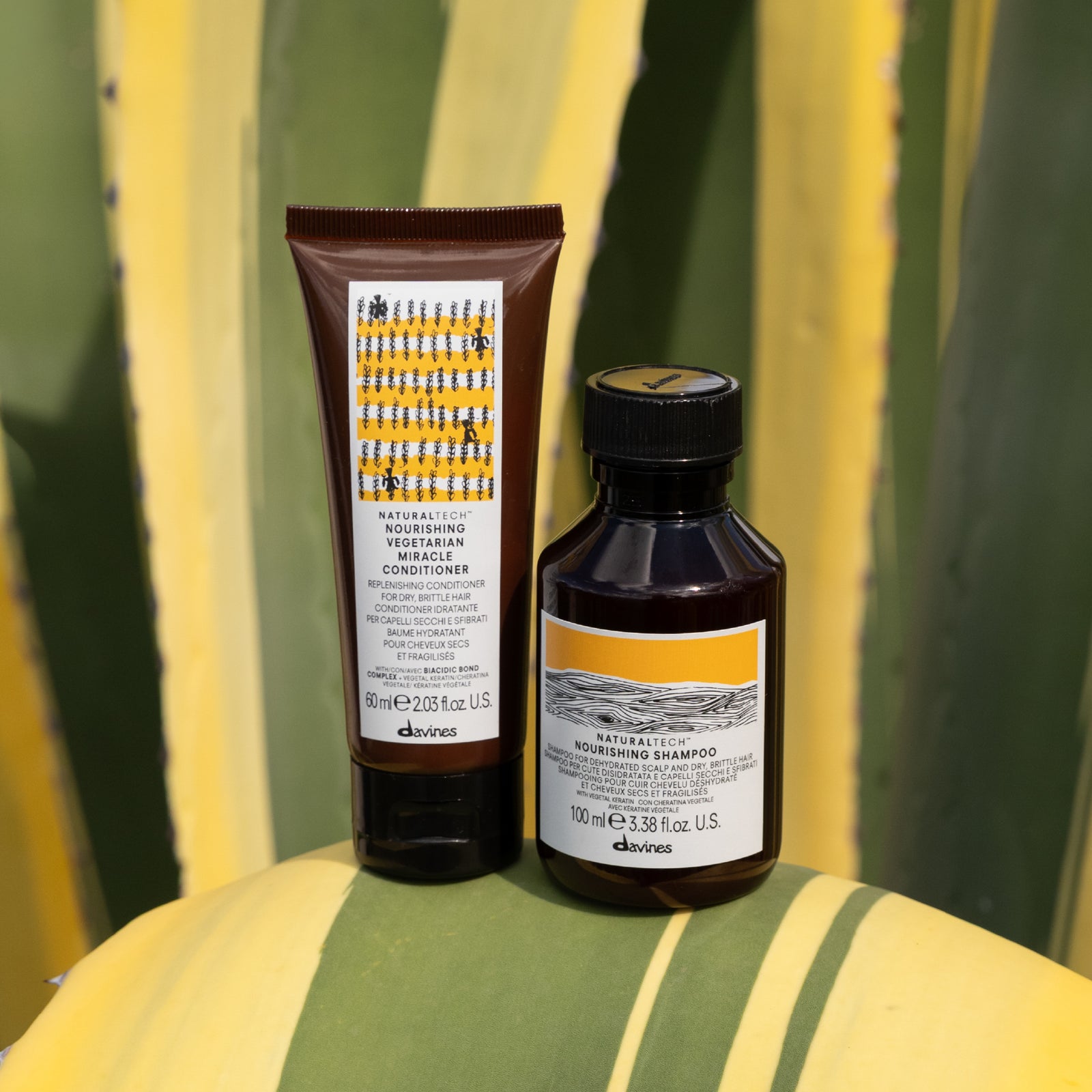
MOMO Shampoo and Conditioner are the foundation of your low porosity hair care routine. The moisturizing shampoo and moisturizing conditioner duo provides deep hydration to dry and dehydrated hair. Infused with Cartucciaru melon extract, MOMO is rich in water, vitamins and mineral salts for lasting hydration. Both formulated without sulfates and parabens.
MOMO Hair Potion and OI Oil
Leave-in conditioners are another essential in your low porosity routine. MOMO Hair Potion is a lightweight leave-in moisturizer ideal for low porosity hair. The silky texture is designed to make hair soft and shiny without weighing it down. Similarly, OI Oil is an anti-frizz oil that adds shine and softness, while detangling and fighting frizz, working especially well on low porosity hair.
Embracing Low Porosity Hair
And now for some final tips to keep your low porosity hair looking and feeling its healthiest. Apply your conditioner in sections, working through with your hands for better moisture distribution, and encourage hydration by massaging your scalp daily to promote the production of natural oils.
Deep conditioning weekly with a hair mask and shower cap, and follow a regular trim schedule since the ends of low porosity hair become dry and brittle faster. And finally, use only high quality moisturizing formulas, like the ones from Davines. Our products are made from natural ingredients and free of harmful ones to effectively nourish your low porosity strands.
FAQs
How do you know if your hair is low porosity?
To determine the porosity of your hair, start with clean hair that’s free of product, buildup and dirt. Brush or comb through your hair and take a strand from the brush or comb. Drop it into a glass of water, and wait a few minutes. Then check the hair. If it floats, it’s low porosity hair; if it sinks, it’s high porosity.
Is low porosity hair oily or dry?
Low porosity hair tends to be dry, because the tightly packed cuticles associated with this hair type make it difficult to absorb and hold onto water. But for this same reason, products can build up and sit on top of the hair, causing strands to become oily.
What does low porosity hair look like?
Low porosity hair, if not cared for properly can appear dry, dull, frizzy and greasy. But because low porosity hair is inherently stronger than high, it can also appear shiny and healthy.
How do you fix low porosity hair?
Maintain the health and appearance of your low porosity hair by managing dryness and encouraging thirsty strands to absorb water with high quality, moisturizing products like the ones from Davines.
What should I avoid if I have low porosity hair?
If you’ve got low porosity hair, avoid silicones and protein treatments. Silicone sits on top of the hair shaft, leading to more buildup on hair that’s already prone to it. And adding additional protein to low porosity hair that is already protein-rich, can cause strands to become hard, leaving them susceptible to breakage.
Ready for a New Look?
Visit your local Davines salon for personalized treatments and care.
You Might Also Like...

by Jaclyn LaBadia, featured contributor
Daily wash dilemma: should you shampoo every day? Washing your hair and scalp is as important as washing the rest...
by Jaclyn LaBadia, featured contributor
Your Guide to Overnight Hair and Scalp Serums and Their Benefits Learn how these formulas can support your nightly hair...
by Jaclyn LaBadia, featured contributor
Bronde Hair: The Best of Blonde and Brunette in One Color Bronde hair blends blonde and brunette for a sunlit,...
Leave a comment
Comments will be approved before showing up.